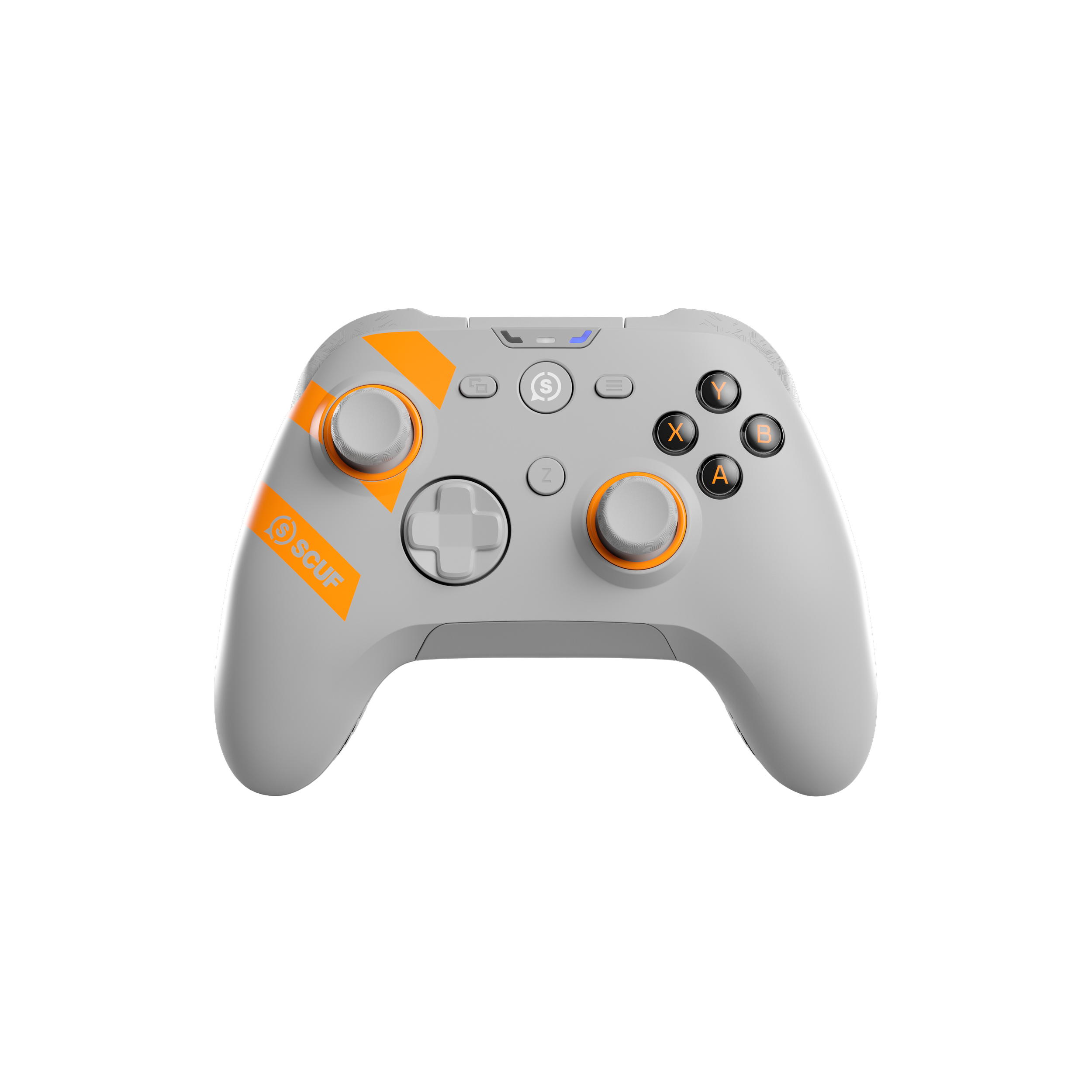
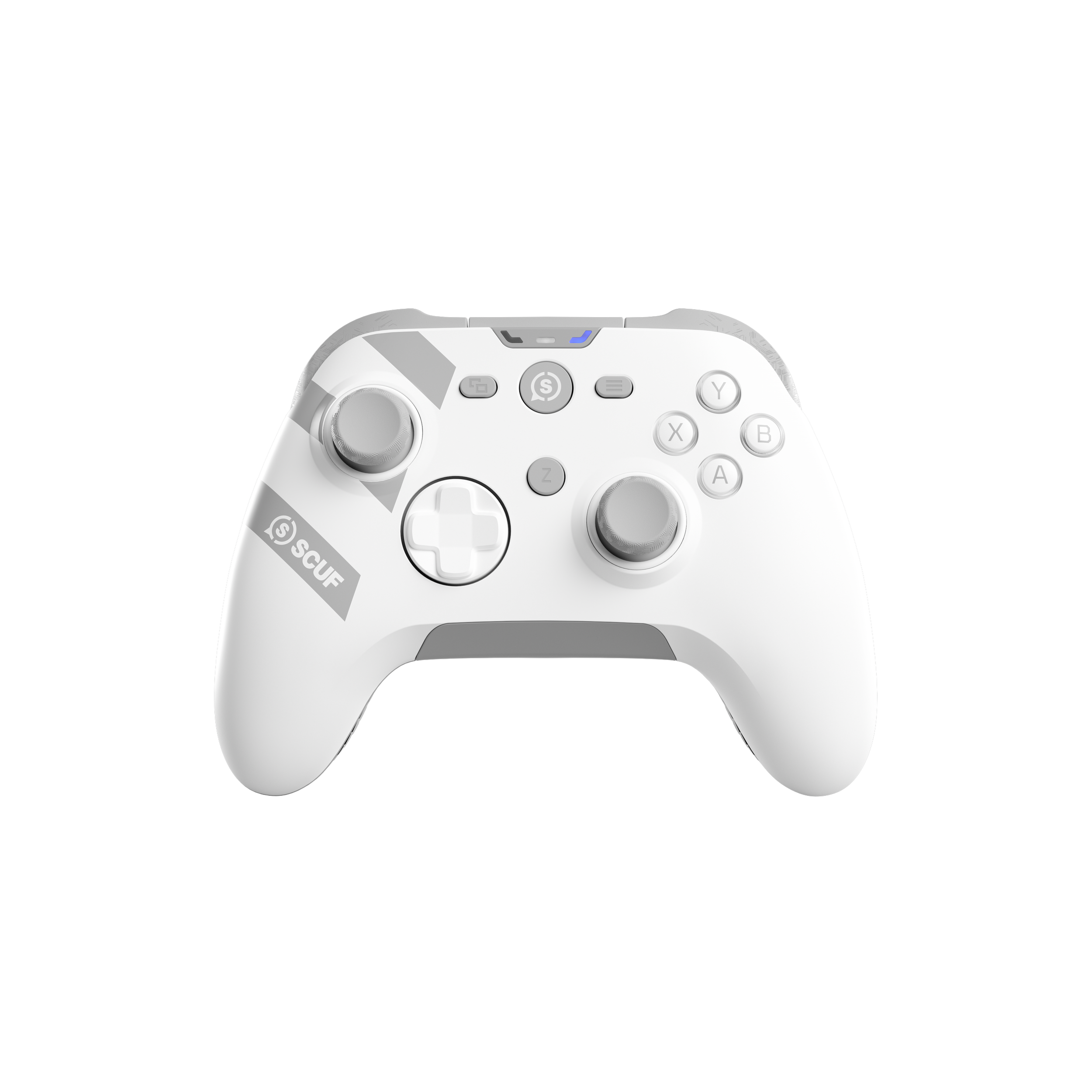
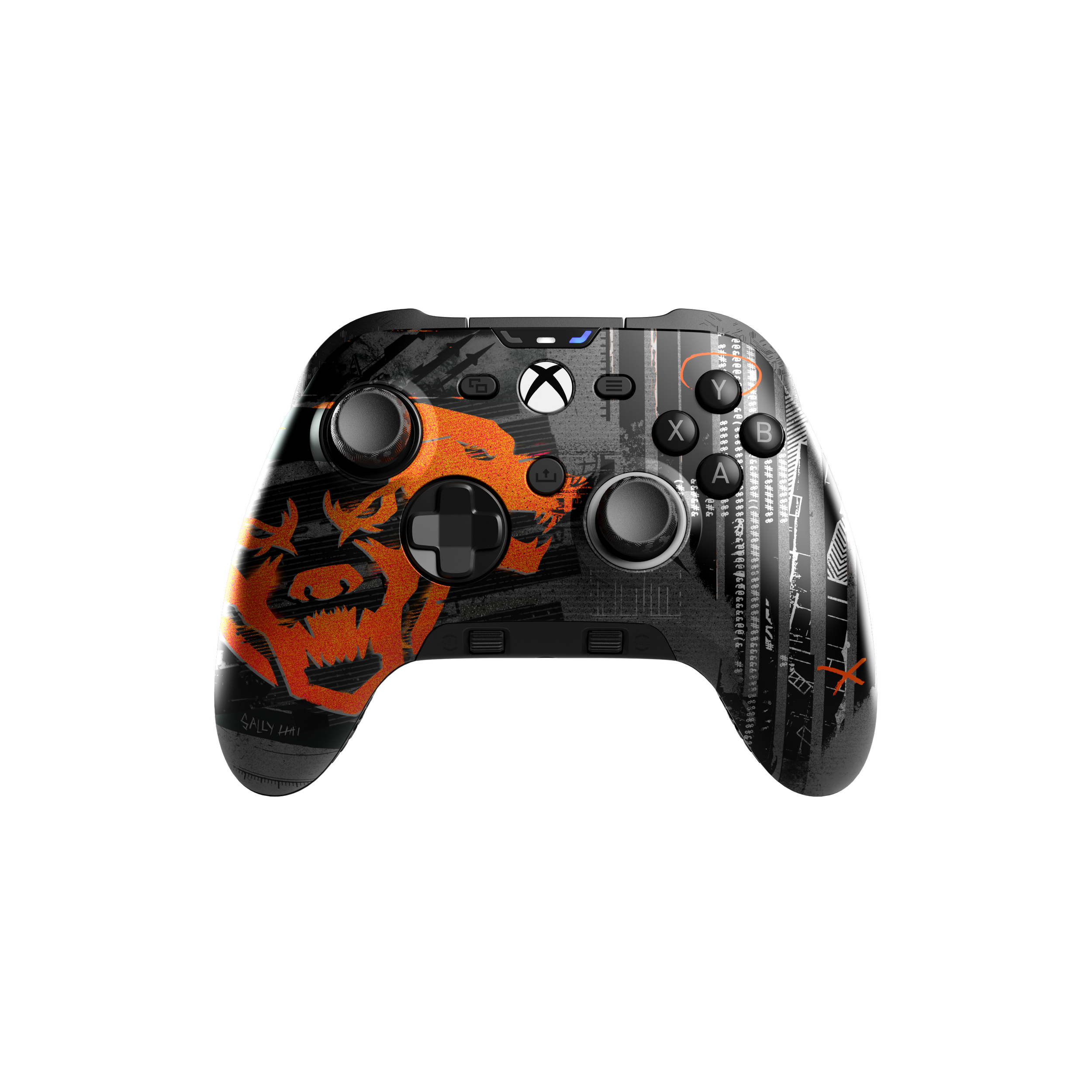
Be unstoppable, with…
Valor / Nemesis Pro Controllers
The Problem //
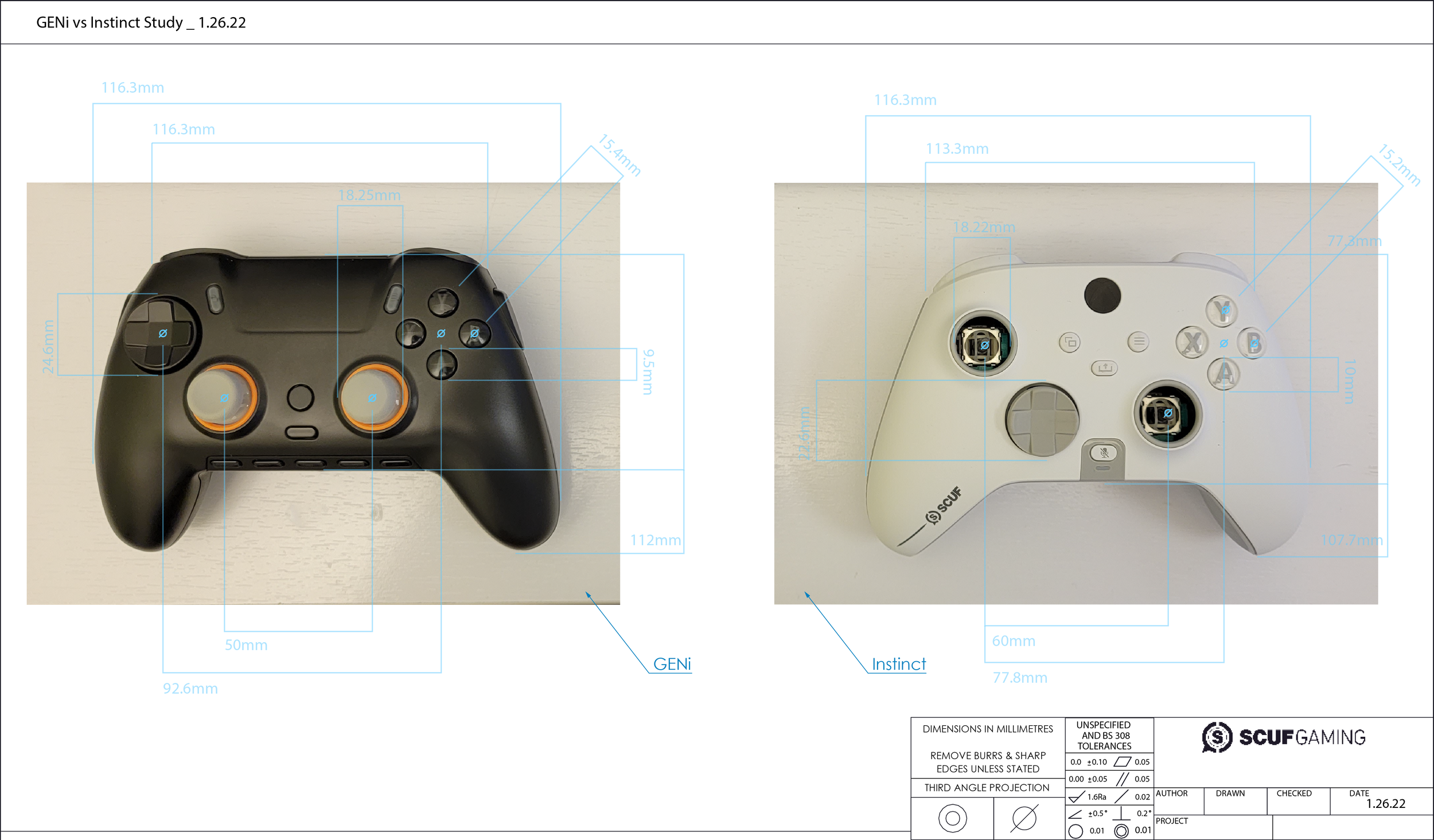
First-party console manufacturers like Xbox and PlayStation consistently drive peripheral market trends through strategic, generational hardware redesigns. During the current console cycle, our design team observed a notable shift in ergonomics: a roughly 20% reduction in the overall footprint of first-party controllers, particularly within the Xbox ecosystem.
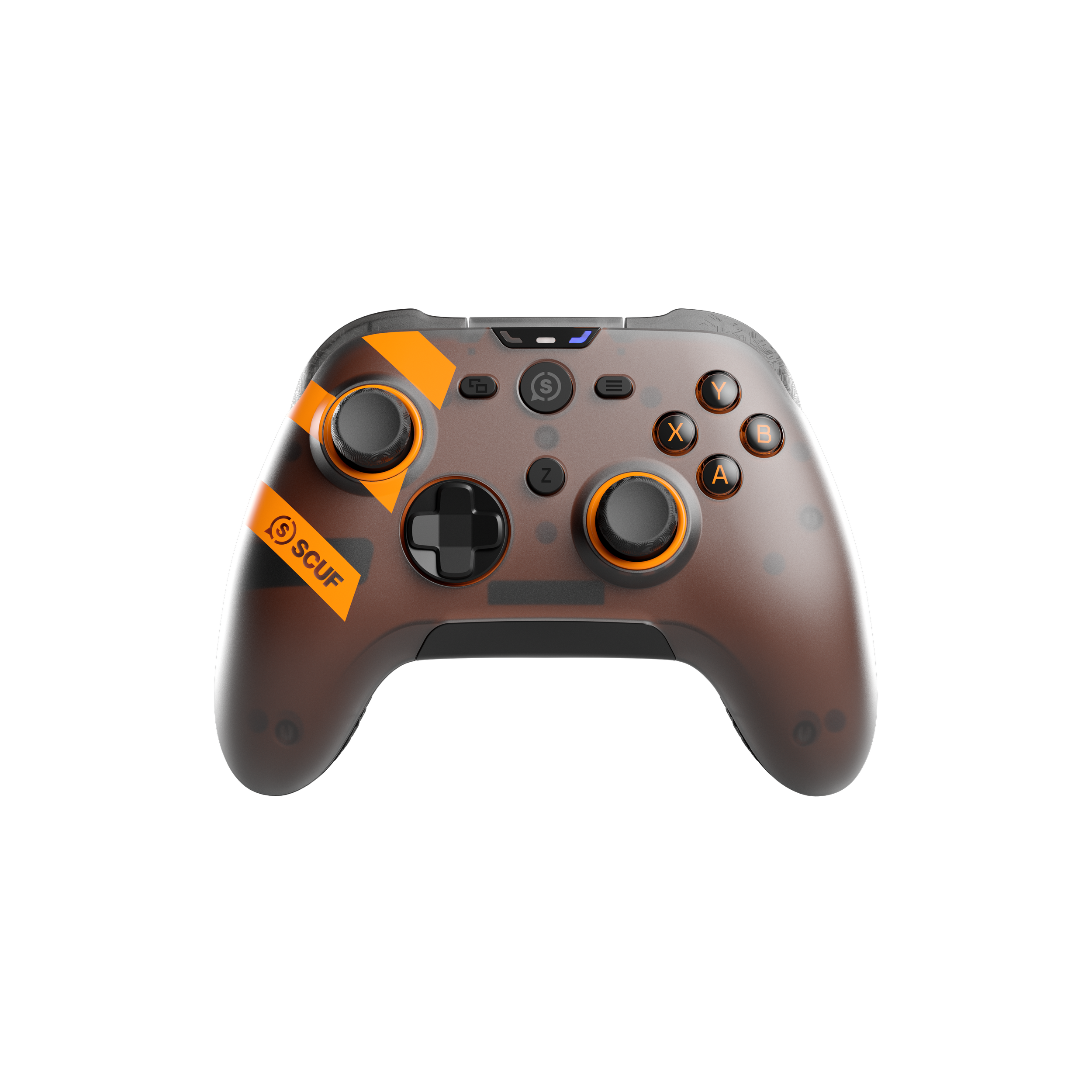
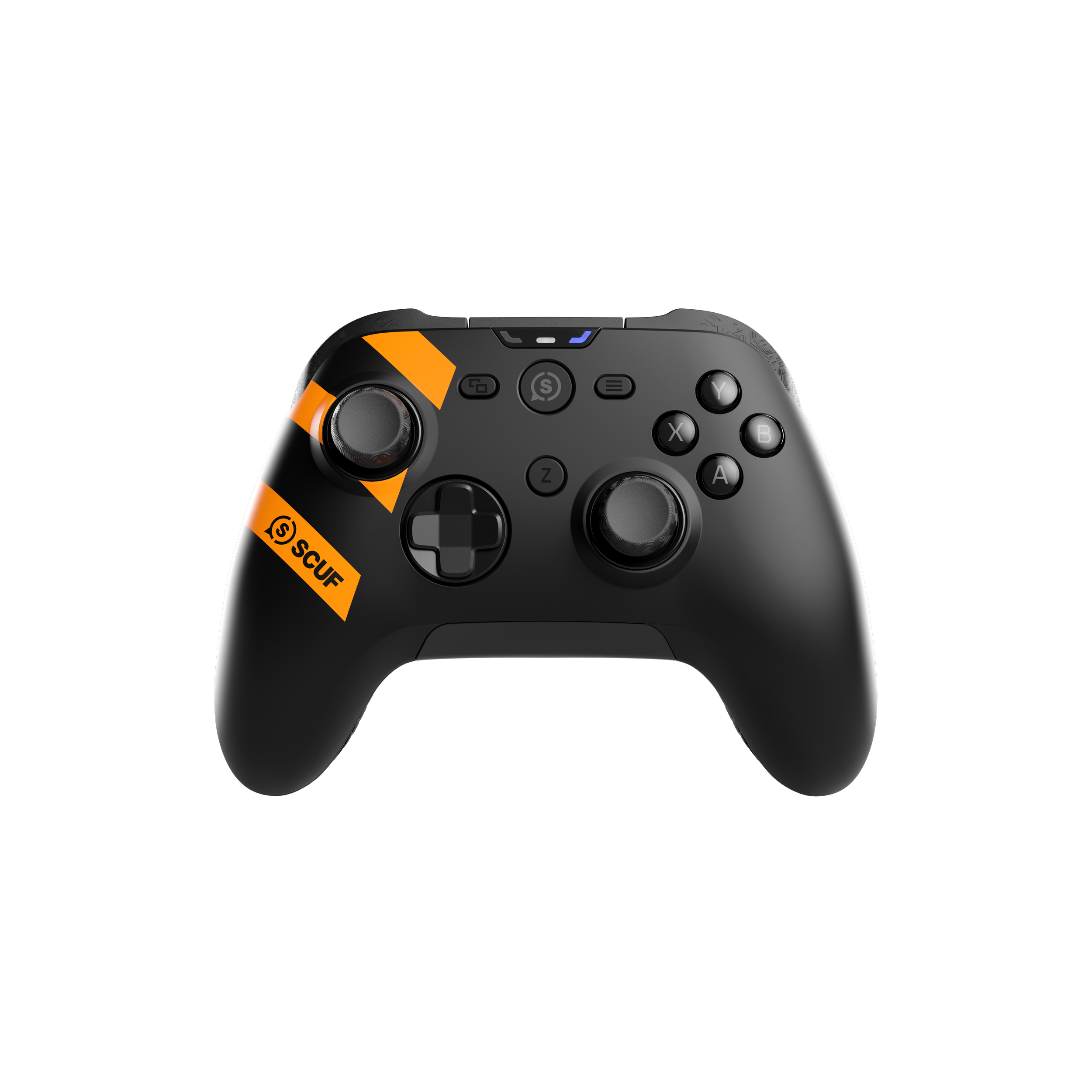
Recognizing the overwhelmingly positive user sentiment toward this more compact scale, we aimed to apply this same design thinking to a new SCUF-branded solution. The objective was to create a silhouette that felt immediately familiar to players, yet delivered the pro-level modularity, customization, and performance expected from our brand. This initiative resulted in the Valor line.
Building on the ergonomic success of the Valor’s refined shape, we expanded the architecture to develop a PC-exclusive SKU: the Nemesis Pro. This second iteration was engineered for peak competitive advantage, introducing an ultra-low latency 8k polling rate. To further elevate precision and tactile feedback, the Nemesis Pro integrated the latest advancements in gaming hardware, featuring state-of-the-art TMR (Tunnel Magnetoresistance) motion potentiometers and crisp mechanical switches beneath every action button.
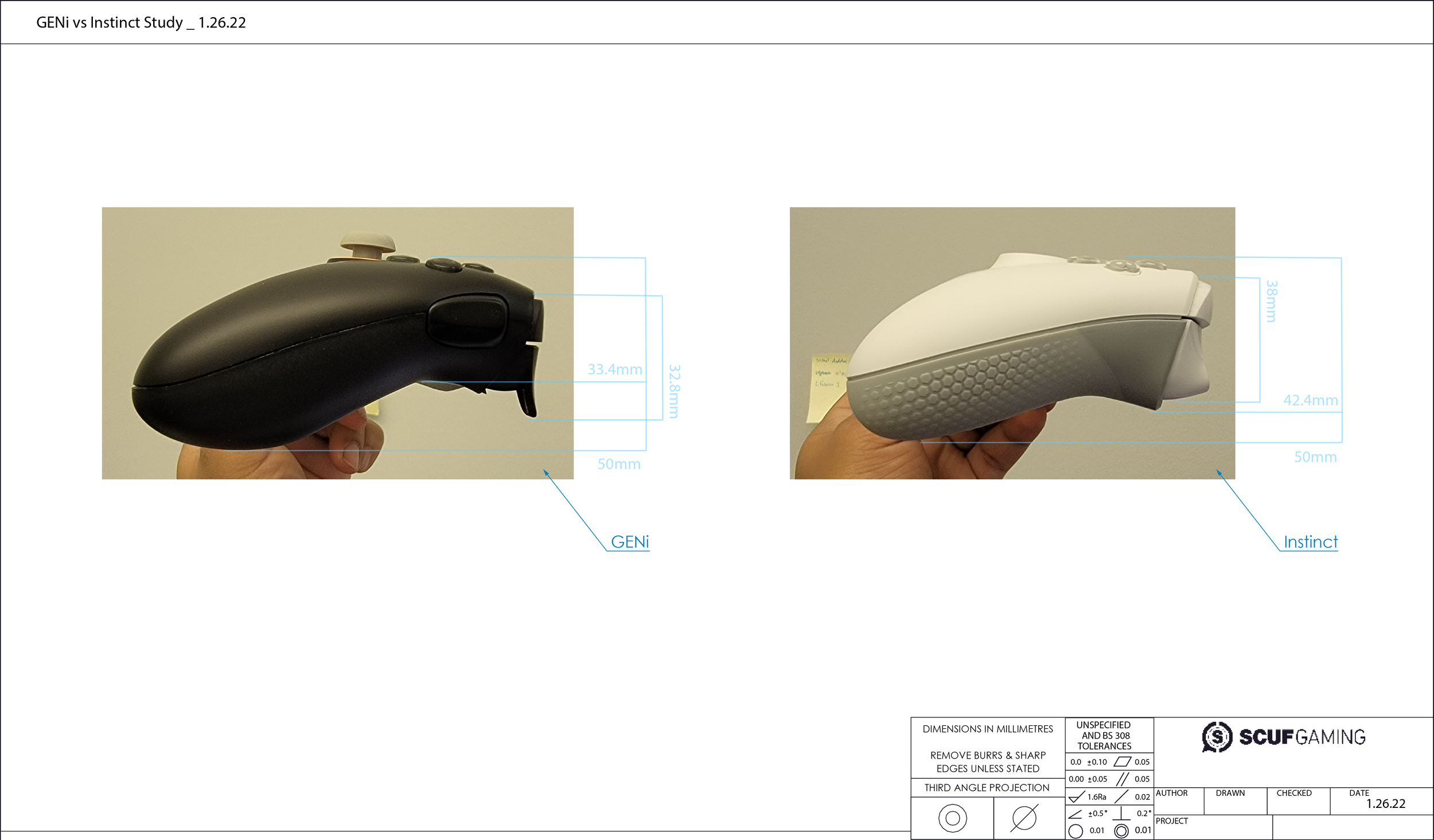
Sketch Phase Feature Development //
The ideation phase began with a comprehensive audit of SCUF’s existing ergonomic architecture. This process was directly informed by user feedback and critical insights gathered during our market studies for the highly successful Envision controller. The core challenge for this new program was defined by a single strategic question: How do we preserve the premium tactile features and rich modular inputs our users rely on, while simultaneously condensing the controller's overall footprint to align with the growing preference for smaller, first-party form factors?
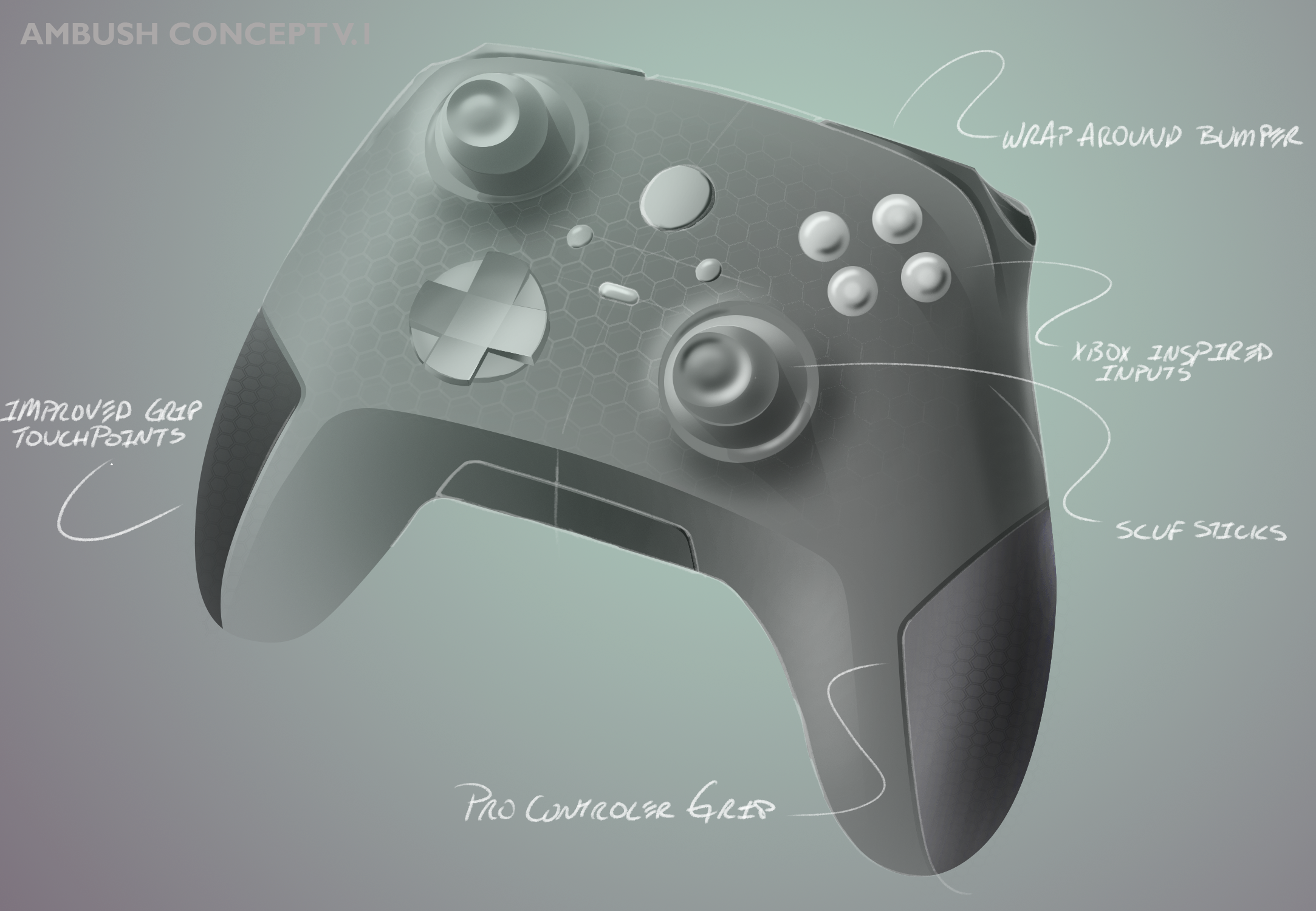
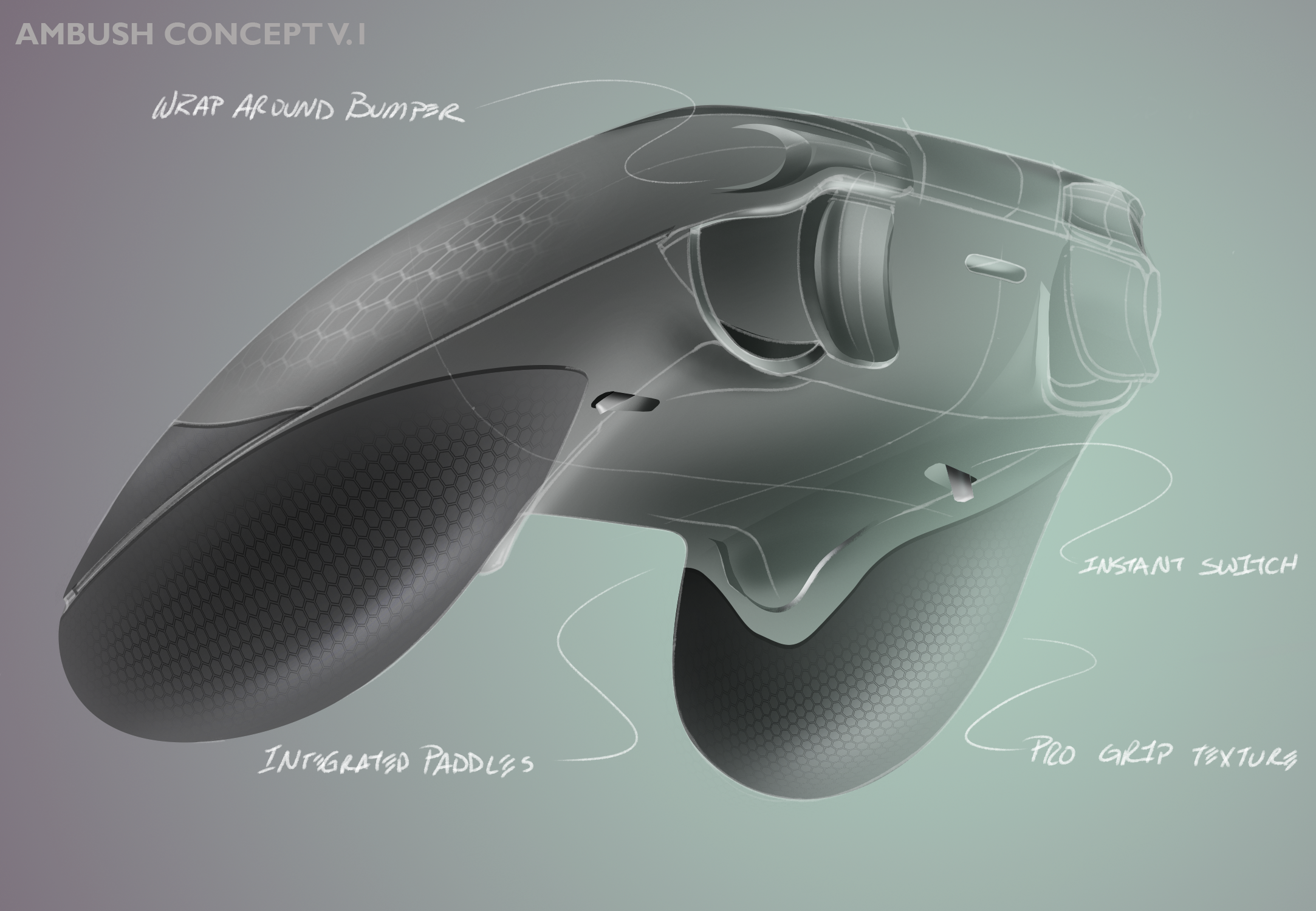
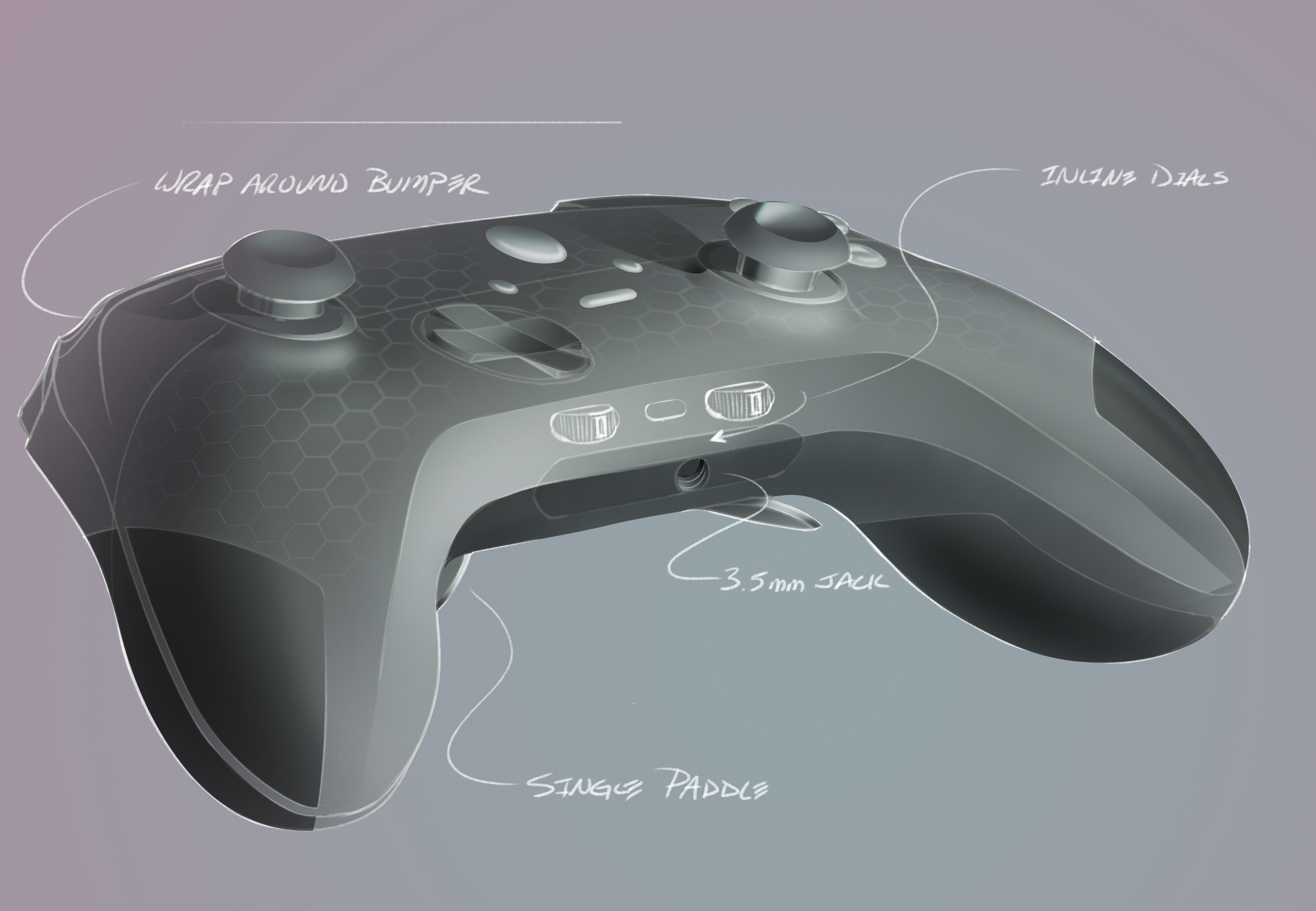
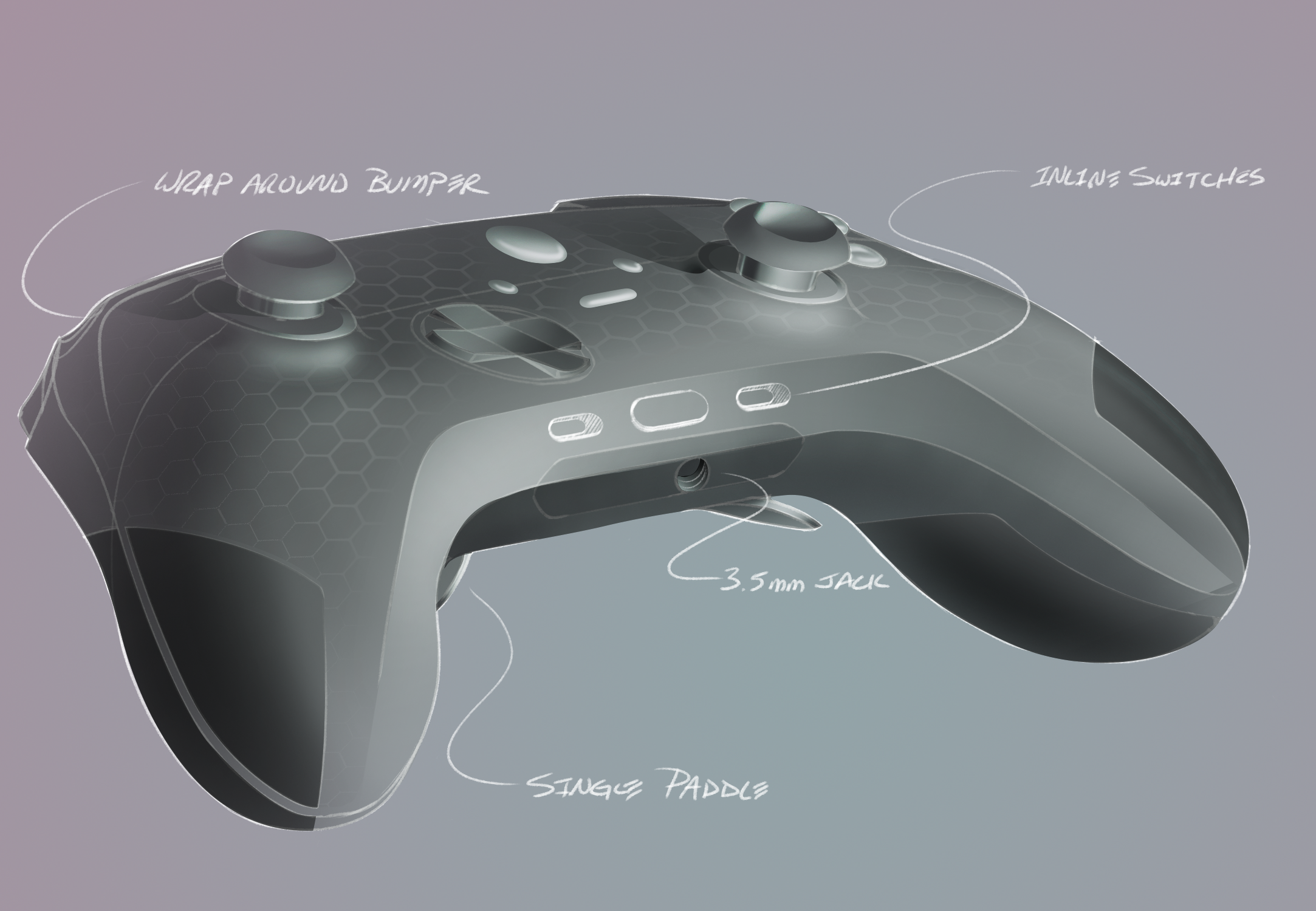
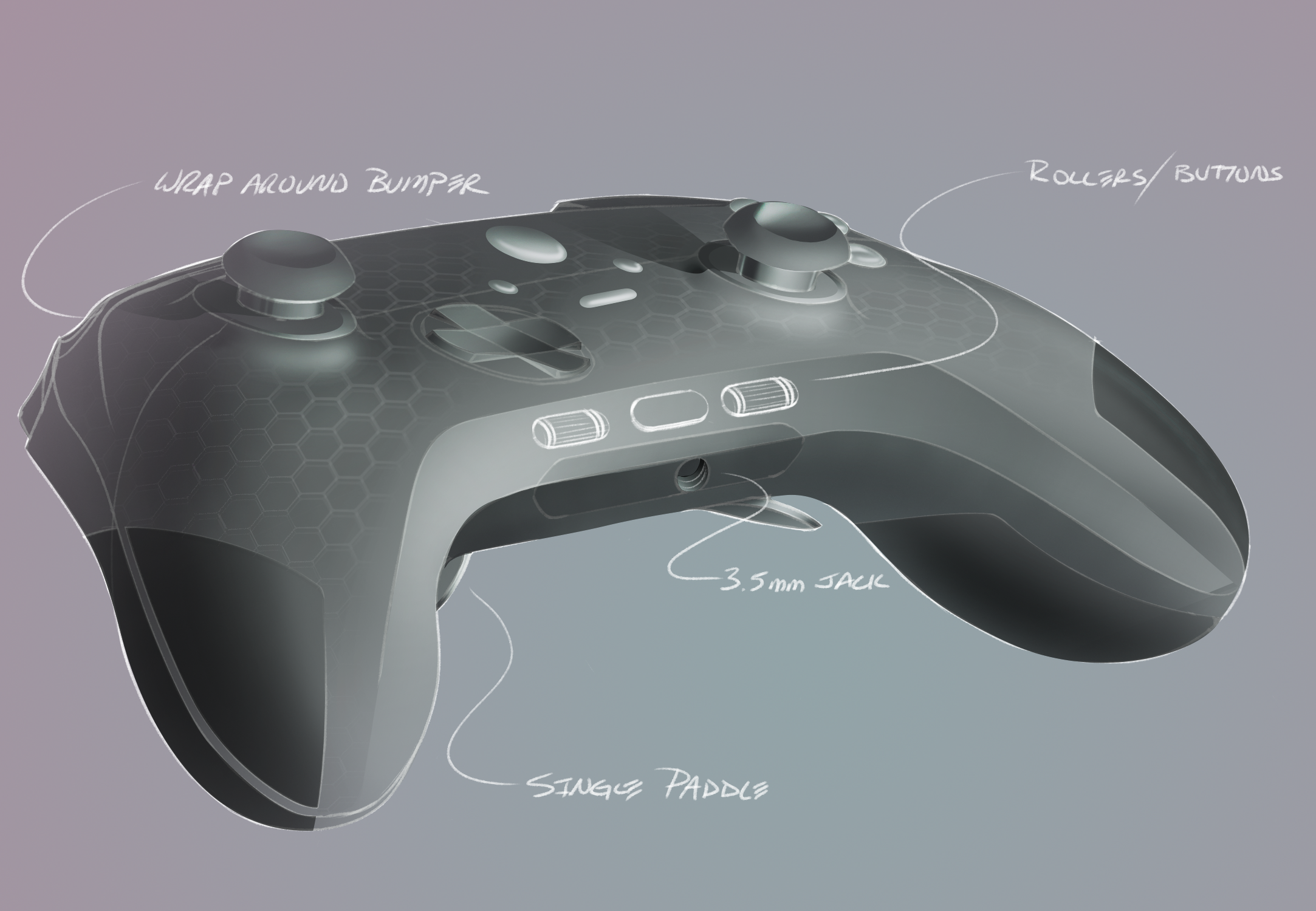
A Surface Design Sketch Renders //
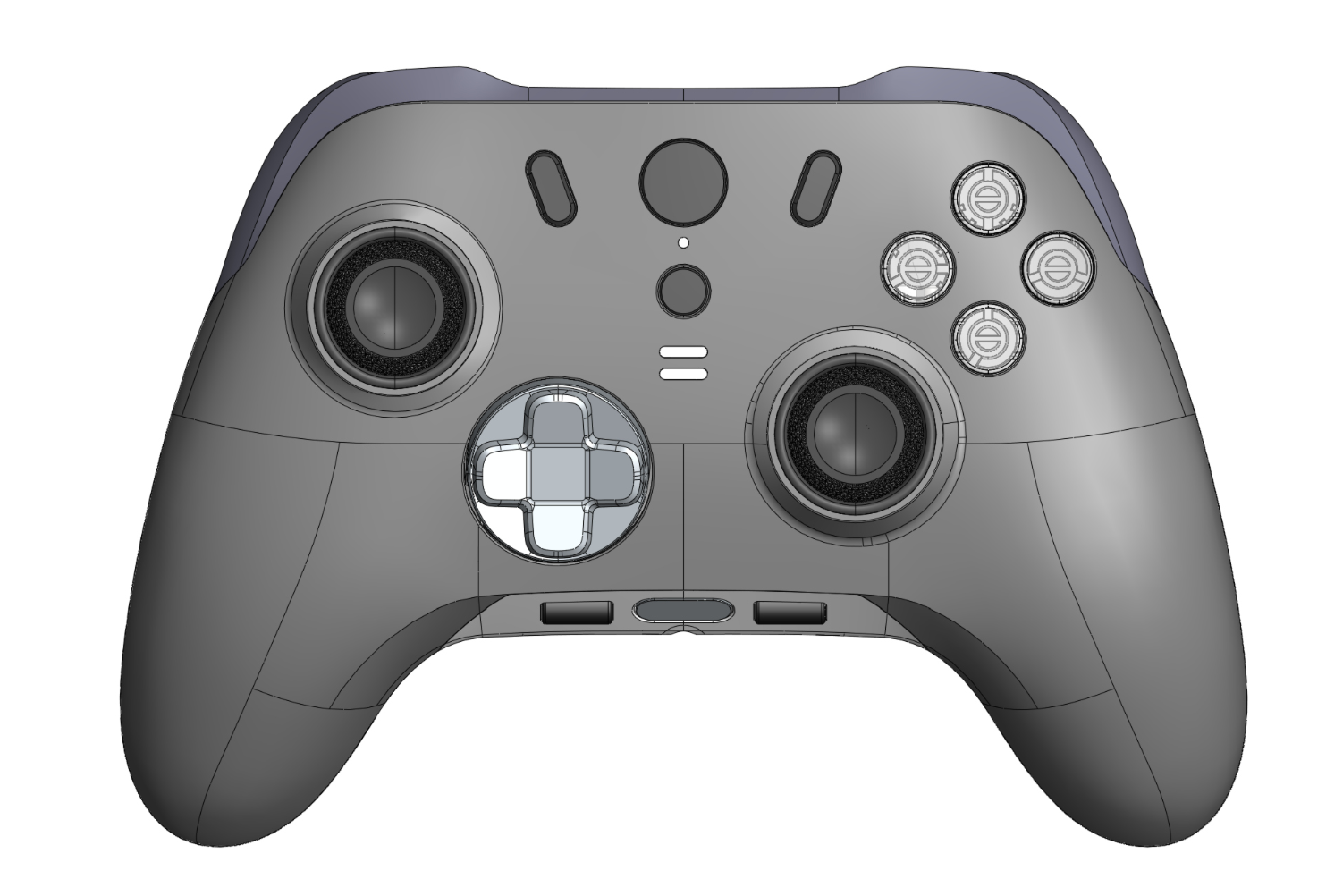
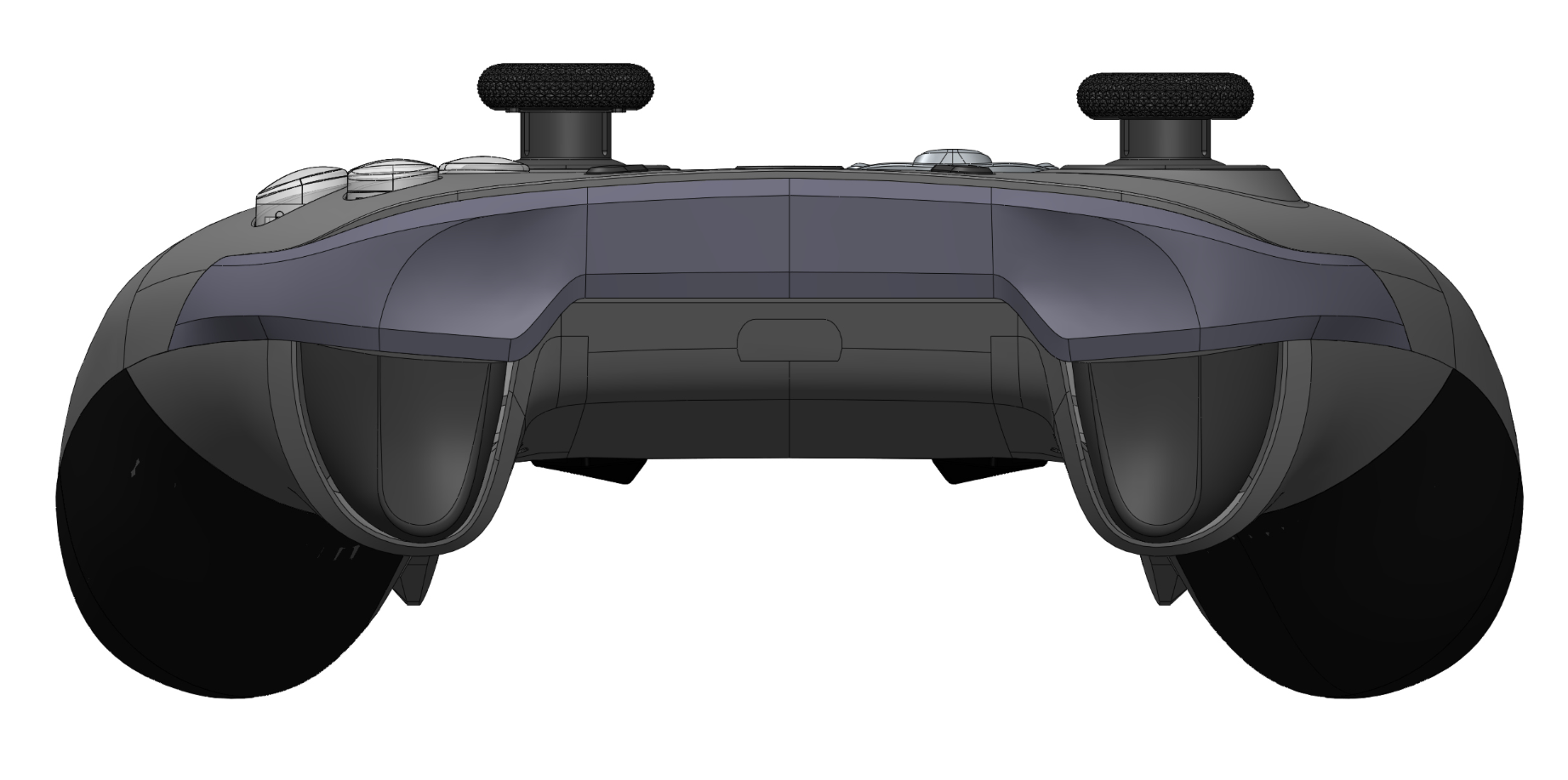
Form Development //
The process continued by translating early-stage concepts into foundational physical models, allowing us to visualize and evaluate the overall silhouette in real space.
These models then undergo rigorous ergonomic evaluation with an alpha testing group. Based on their tactile feedback, the physical forms are iteratively refined. Once the optimal shape is locked in, the finalized models are 3D scanned to digitize the geometry, bringing the precise surfaces into CAD for further mechanical development on the Tormach CNC machine.
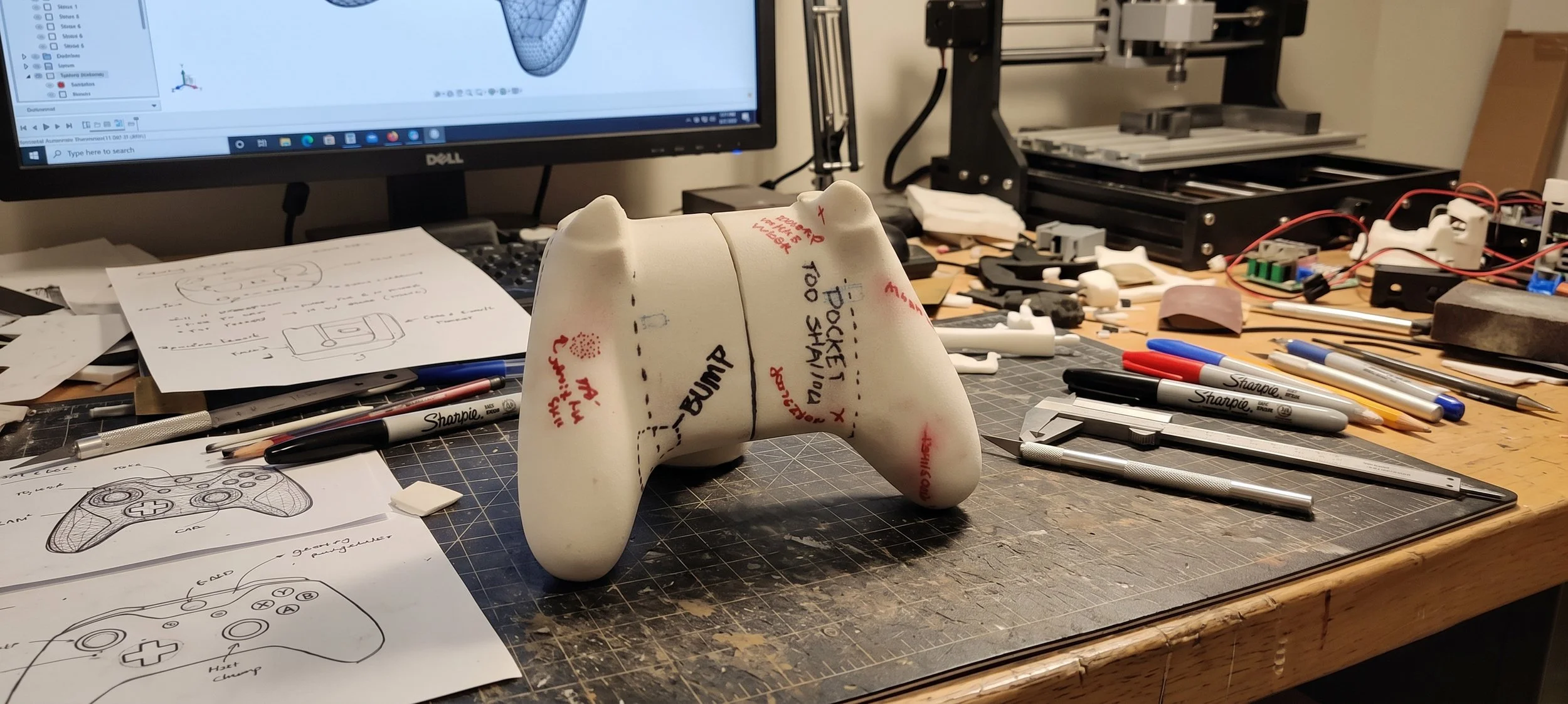
CNC Processed Form Refinement //
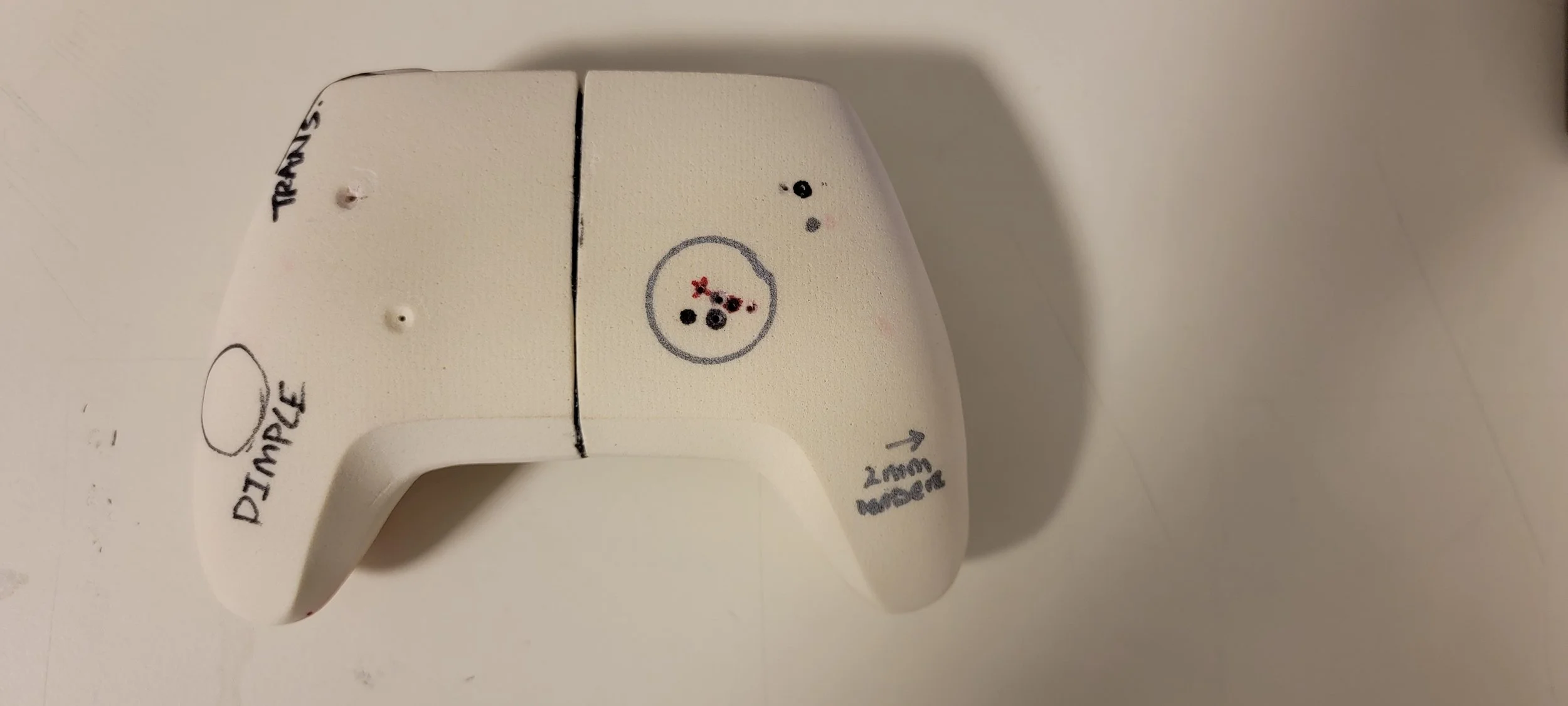
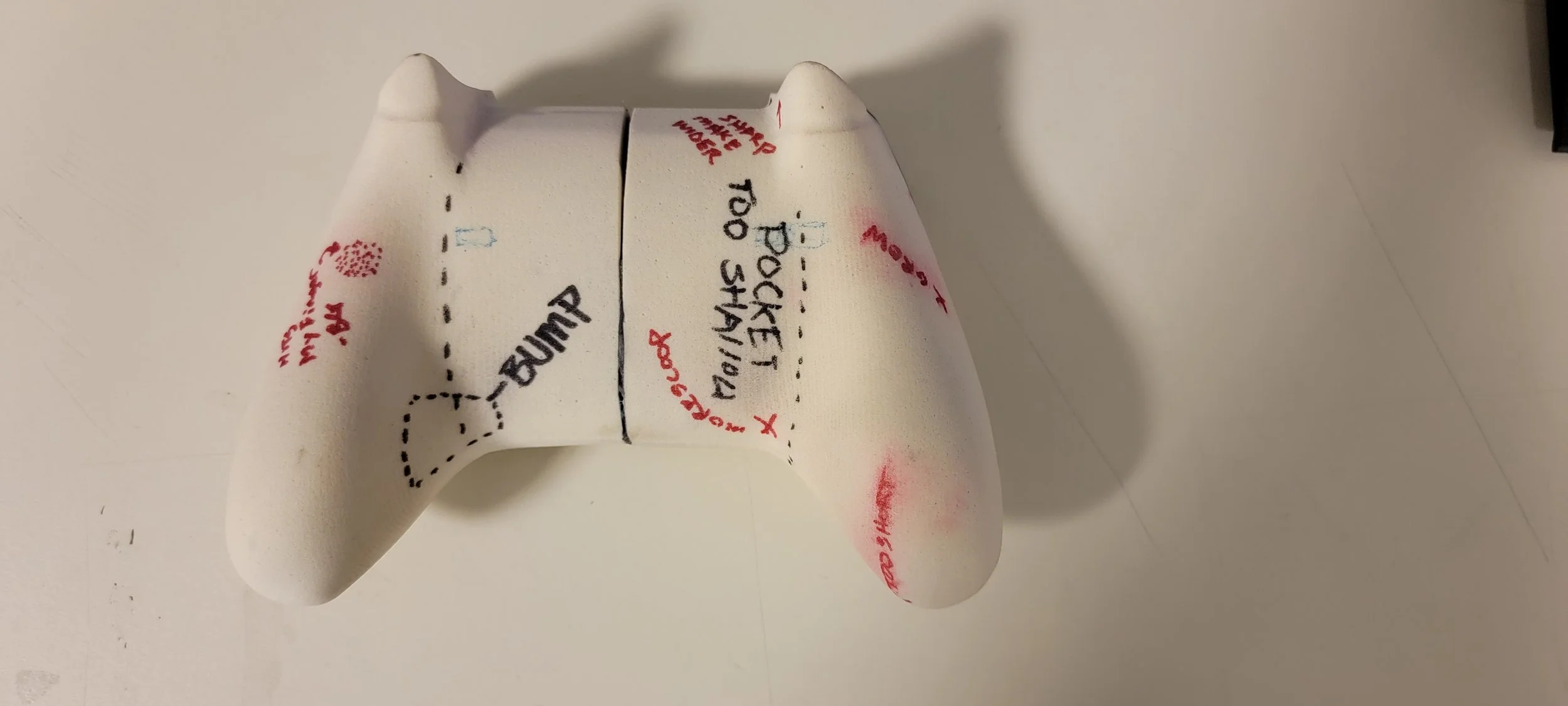
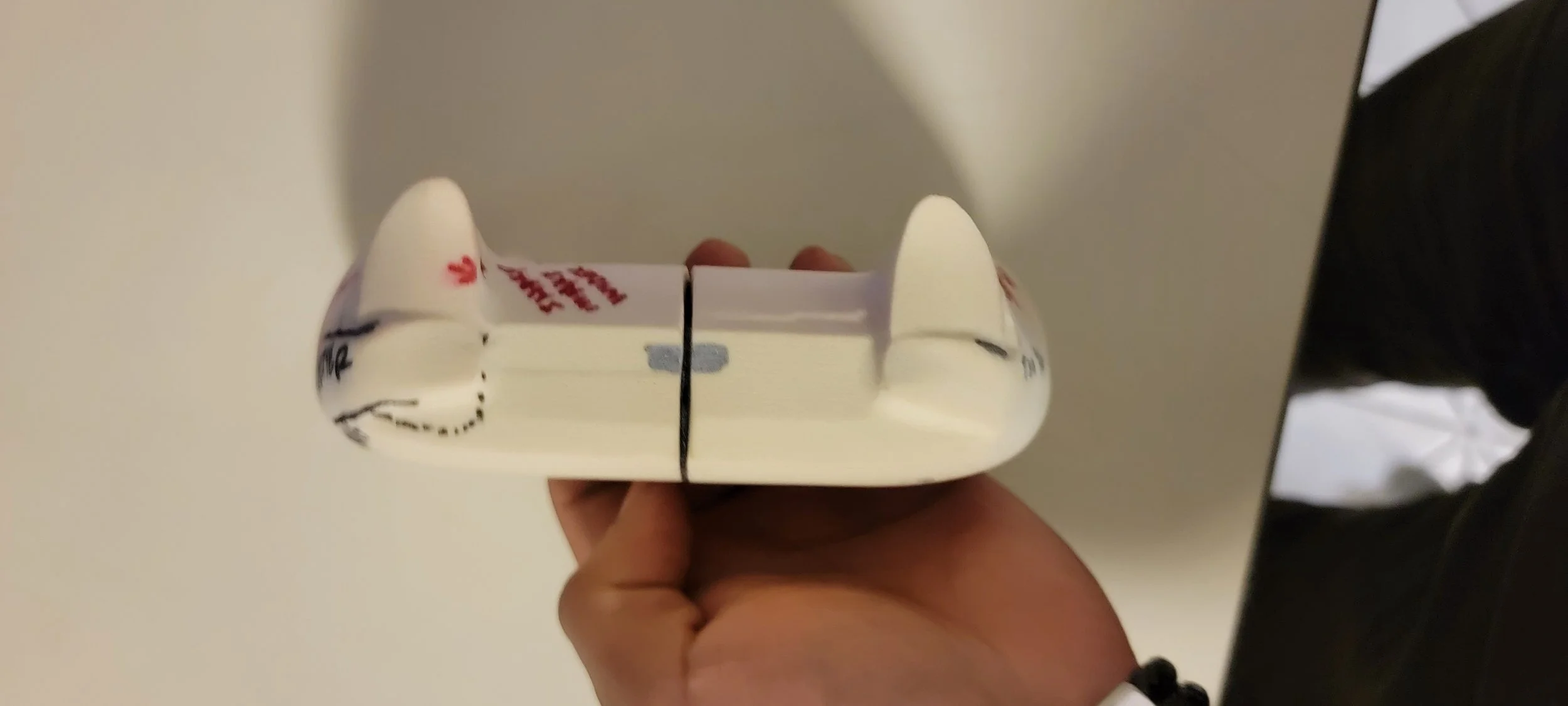
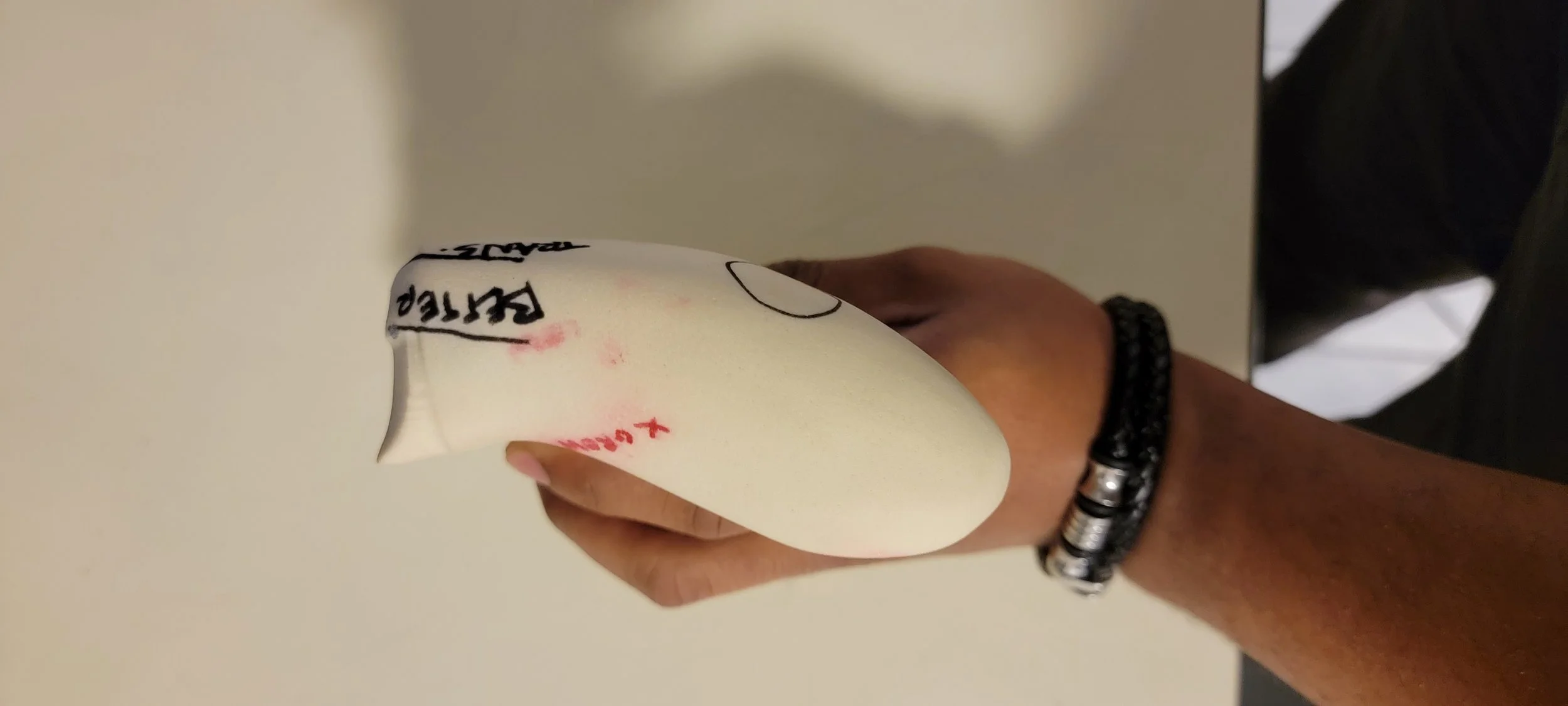
Following the 3D scanning and digital refinement of the rough geometry in CAD, physical mockups are CNC machined from open-cell foam blanks for late-stage validation.
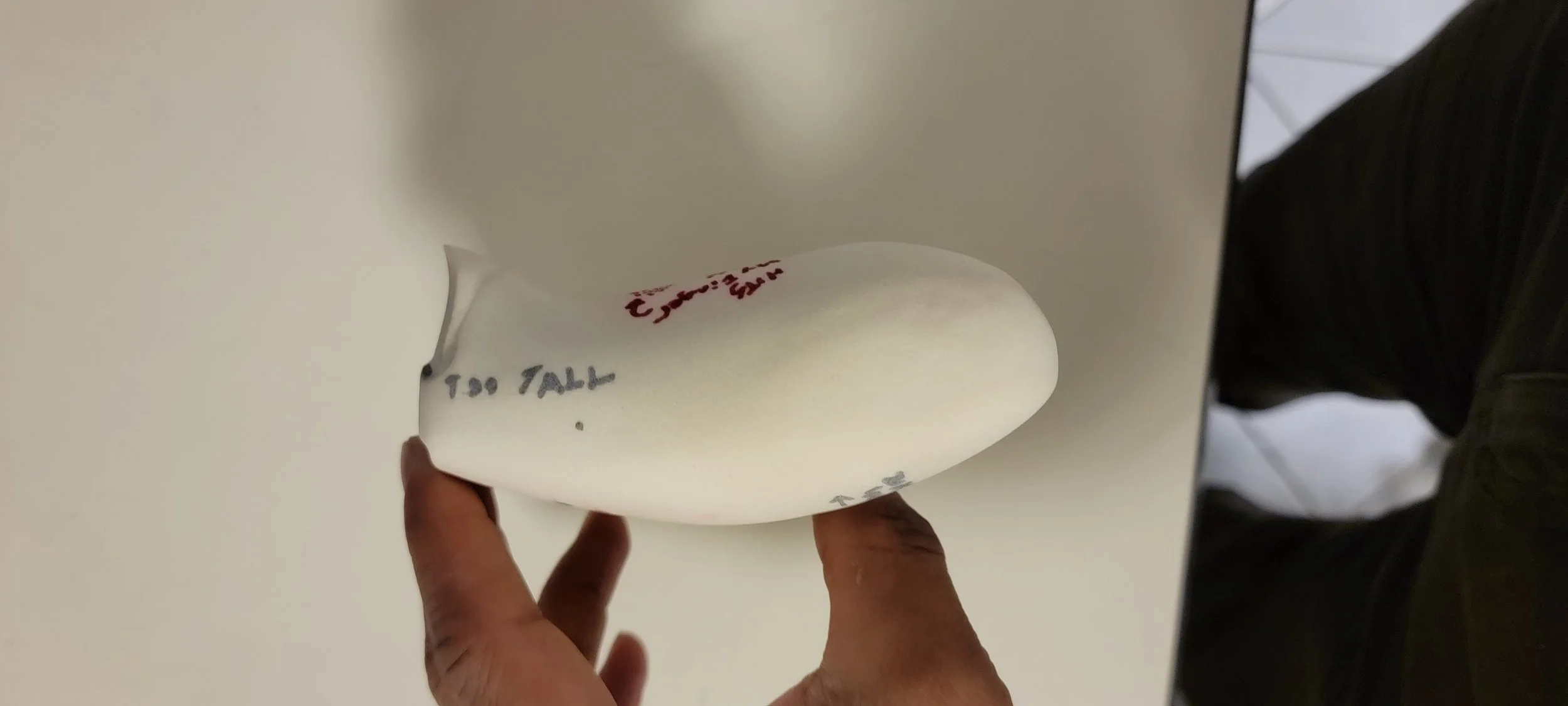
By this phase, the core ergonomics and A-surface details are nearly locked, requiring only minor micro-adjustments.
These machined foam prototypes undergo rigorous tactile and usability testing with the alpha user group. Their final approval serves as a critical stage-gate, ensuring the physical ergonomics are fully validated before the design is authorized to advance into downstream engineering and production
‘A Surface’ CNC Ergo Sample //
Heatmap Based Grip Texture //
Once the primary surface splits and mechanical architecture were finalized, development transitioned to engineering the complex grip textures.
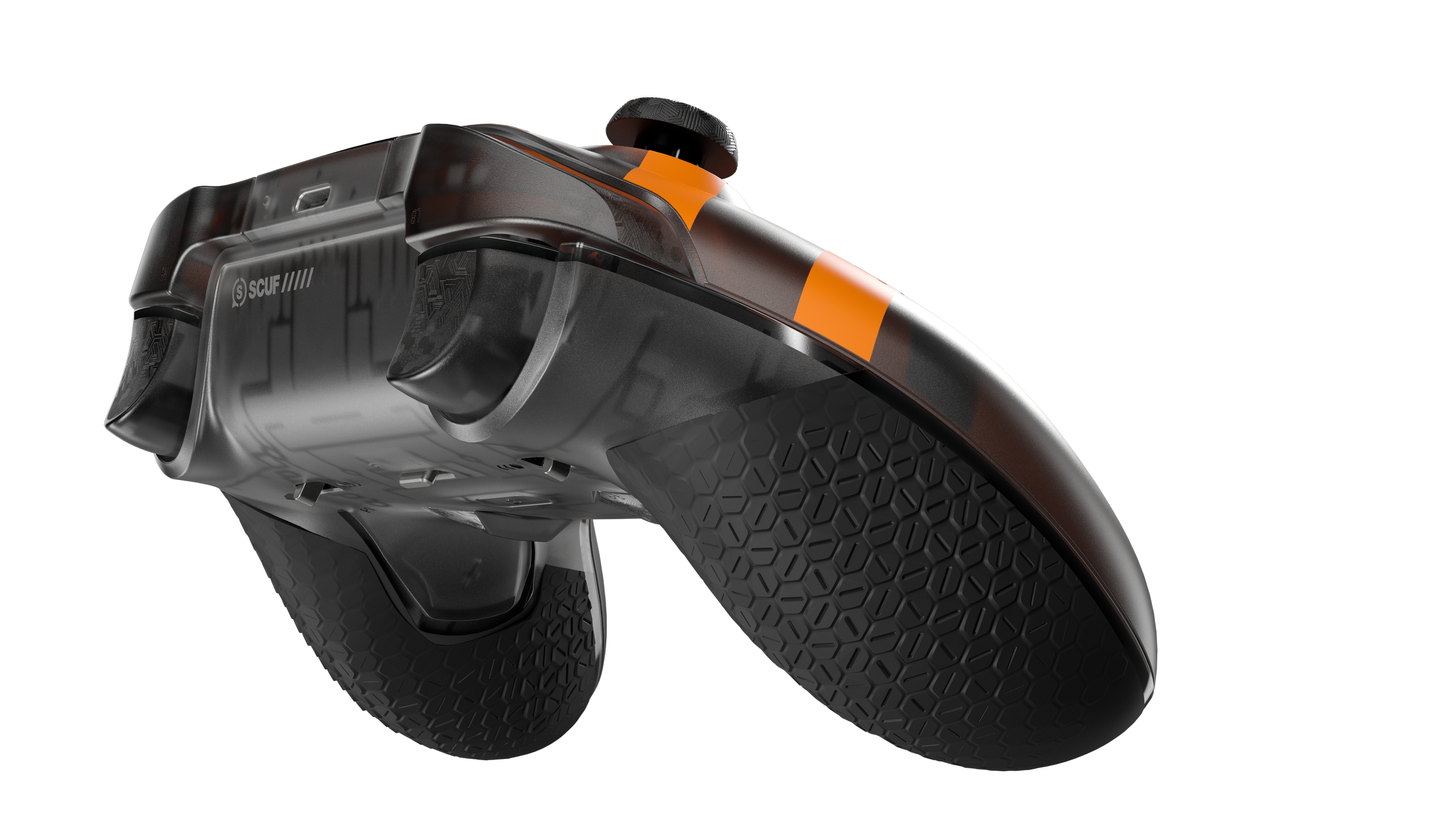
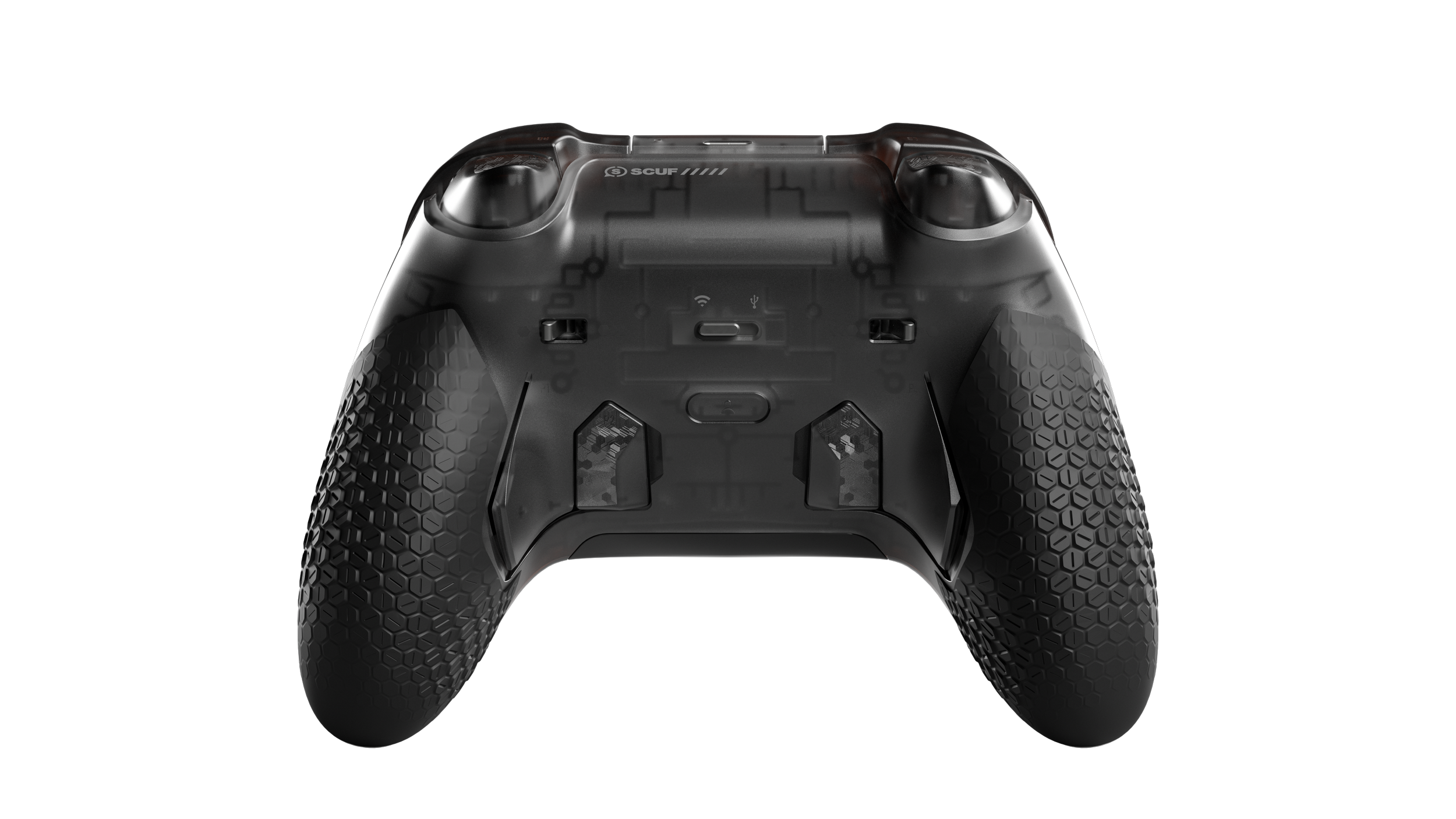
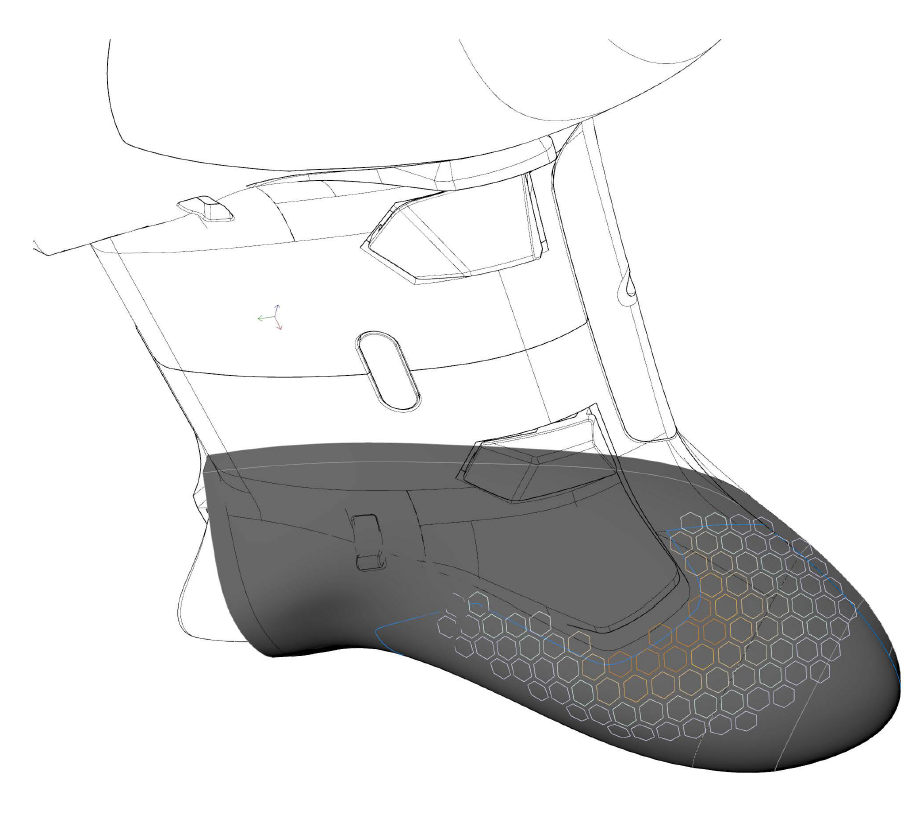
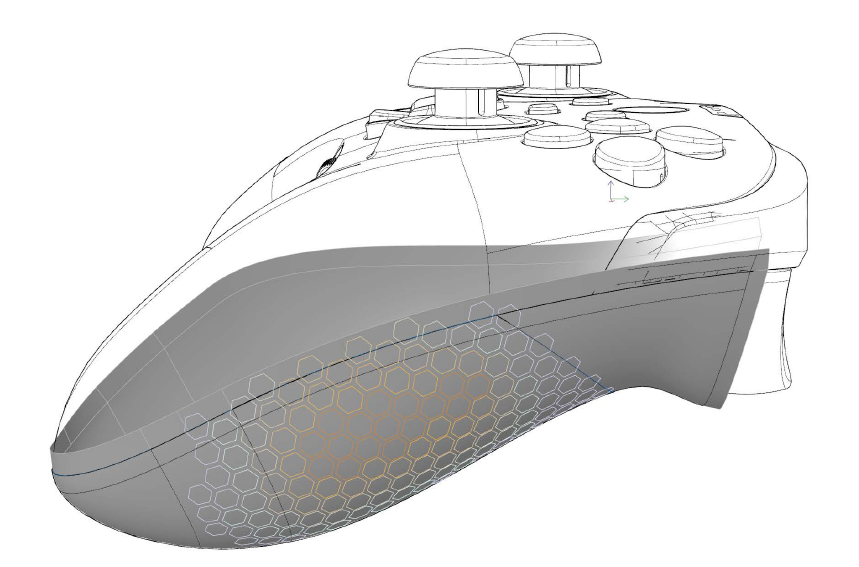
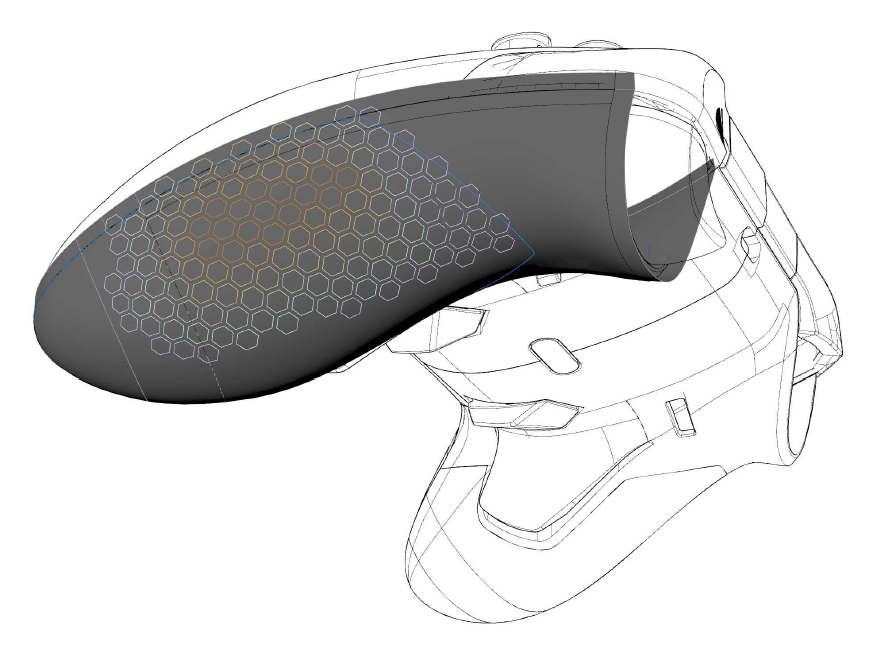
Rather than applying a uniform pattern, we utilized parametric modeling to create a dynamic, variable-density surface—an approach we dubbed "heat map design."
By manipulating the height and density of individual texture nodes, we engineered the grip to be aggressively pronounced in high-contact, heavy-friction areas, while smoothly tapering to a flush, subtle finish in resting zones. The accompanying visuals highlight the parametric studies used to precisely map this algorithmic node distribution, ensuring the final product delivered the signature, pro-level tactile control SCUF is known for.
Refractive Etched Pattern Dev. //
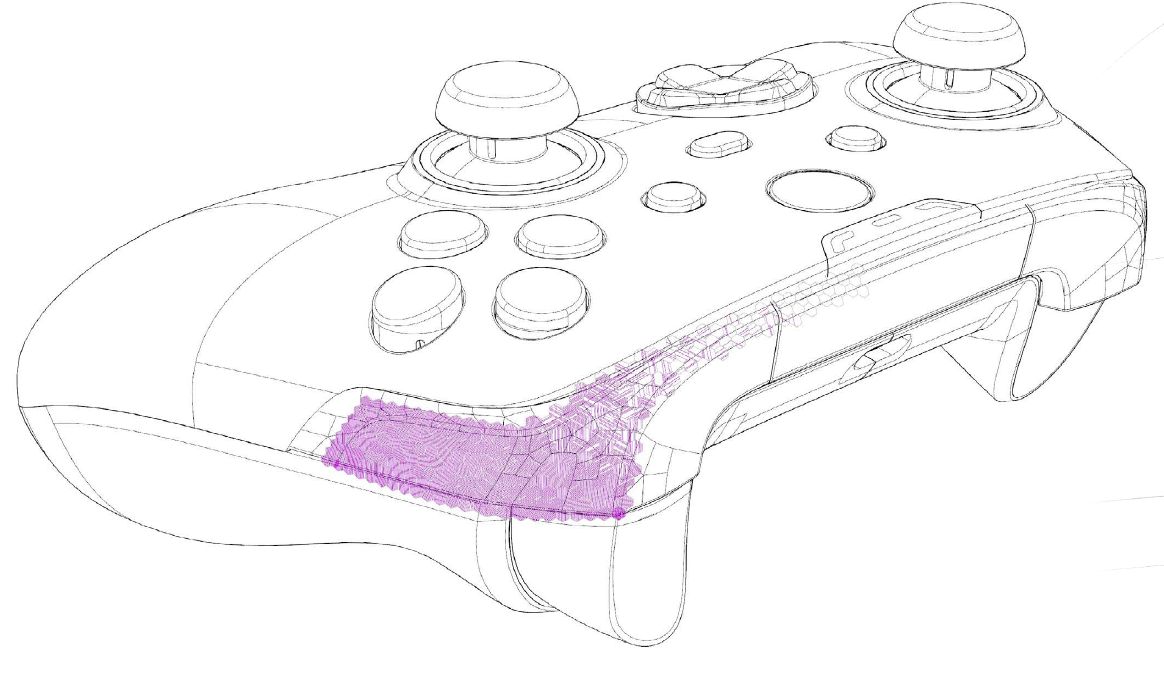
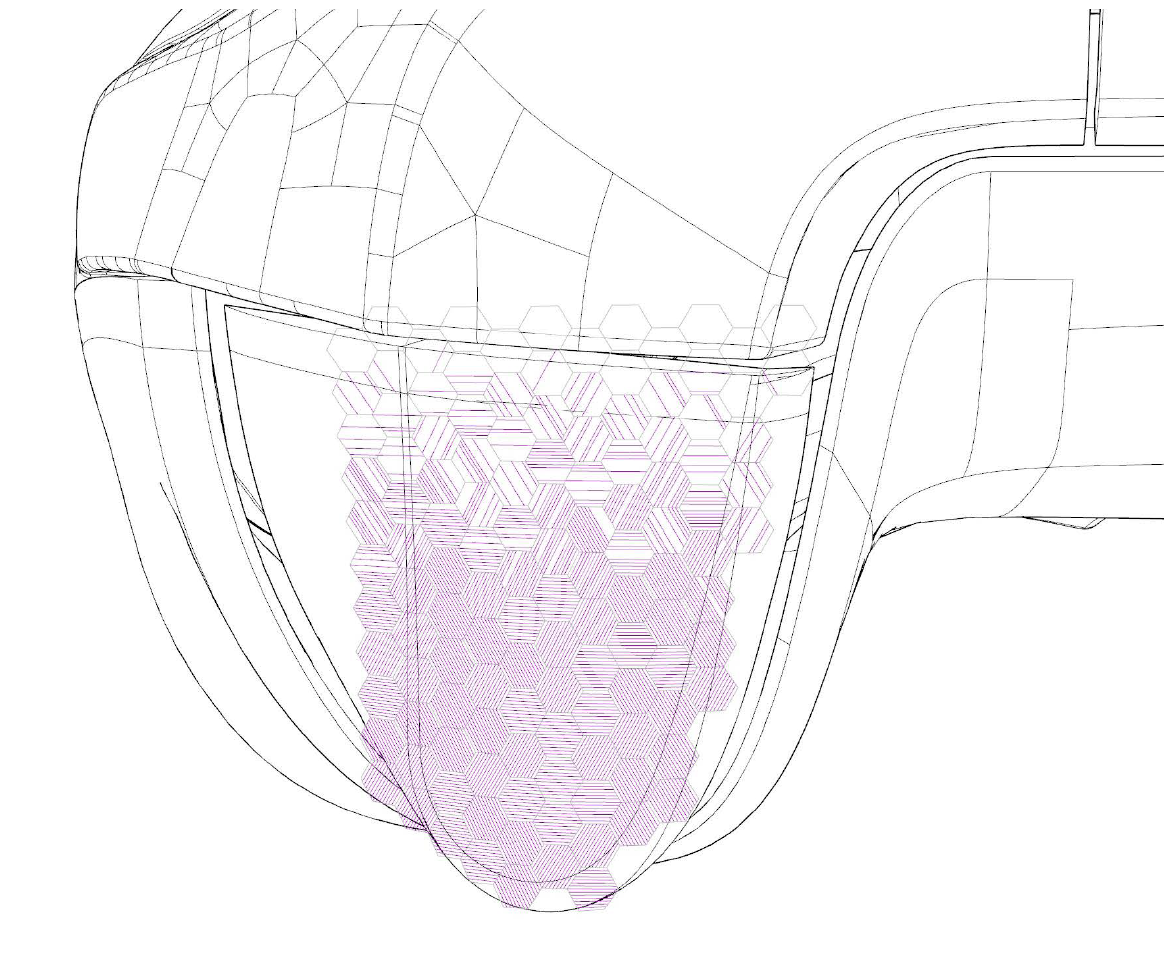
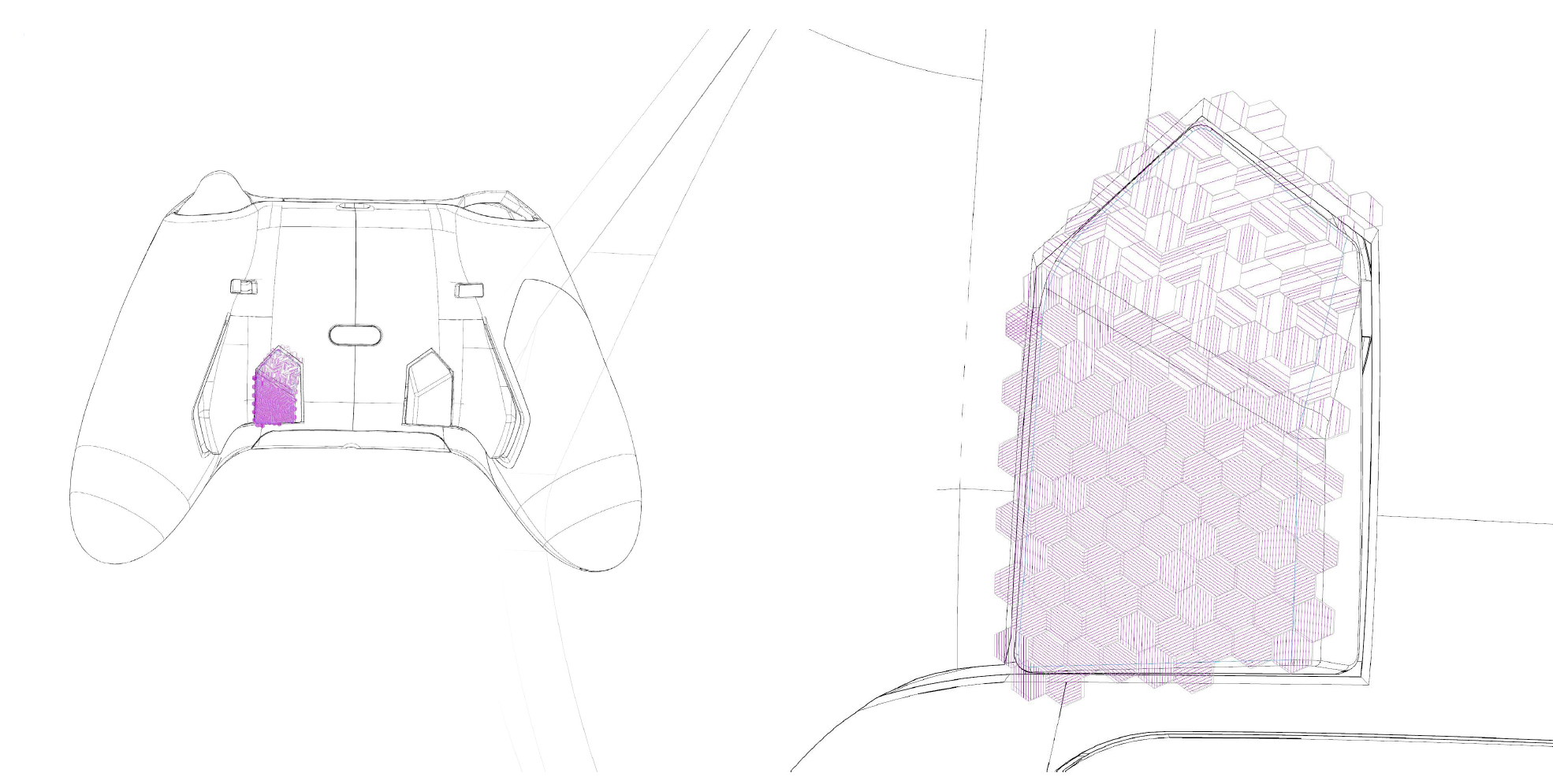
Beyond the functional grip, we leveraged Grasshopper's parametric capabilities to engineer a premium, refractive surface pattern. The defining characteristic of this finish is a specialized, multi-angle etching process designed to interact dynamically with ambient light, resulting in a distinct, shimmering optical effect on the final production parts.
This sophisticated surface treatment elevated the perceived value of the hardware, establishing a cohesive, high-end visual language and serving as a major unique selling point across SCUF's entire new generation of controllers.
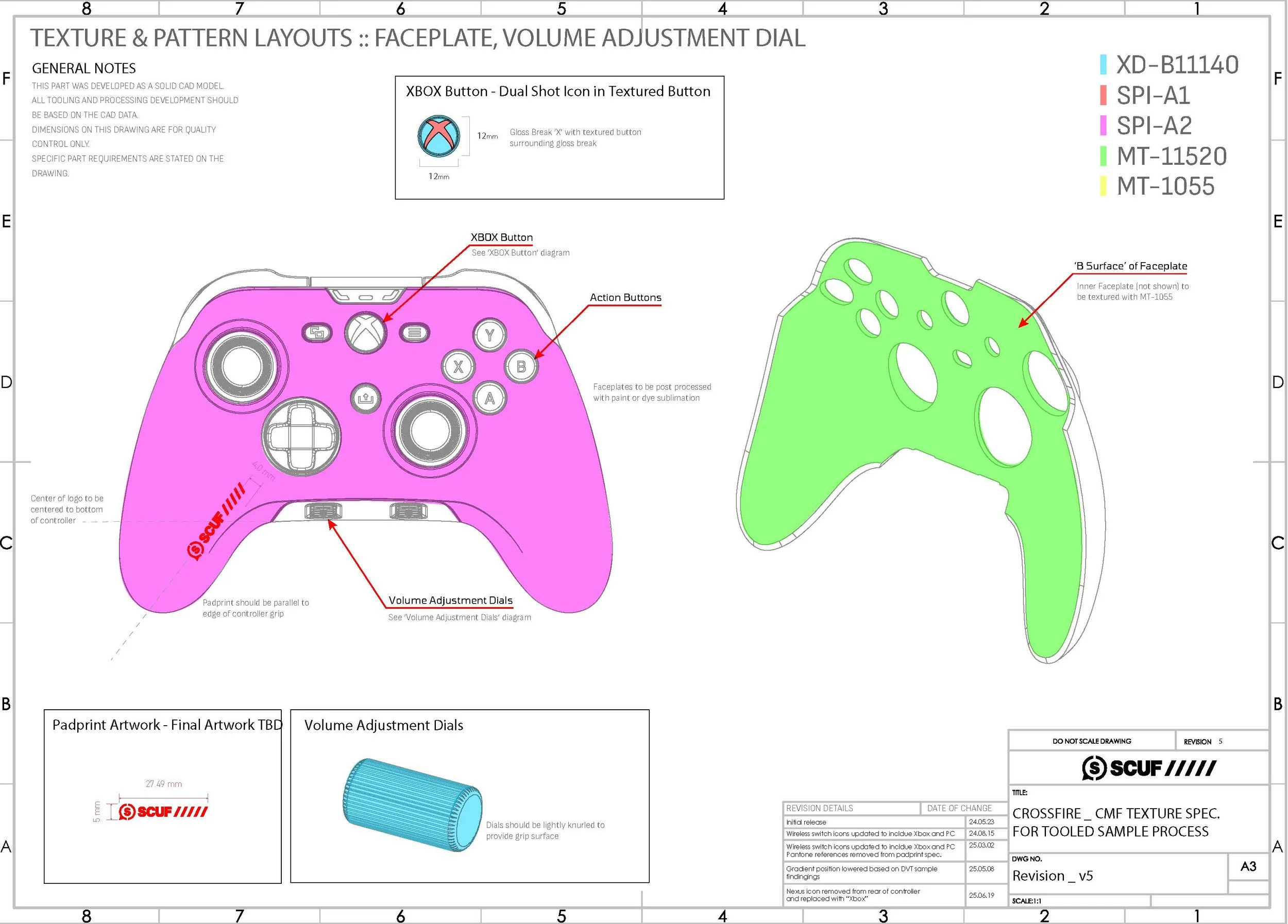
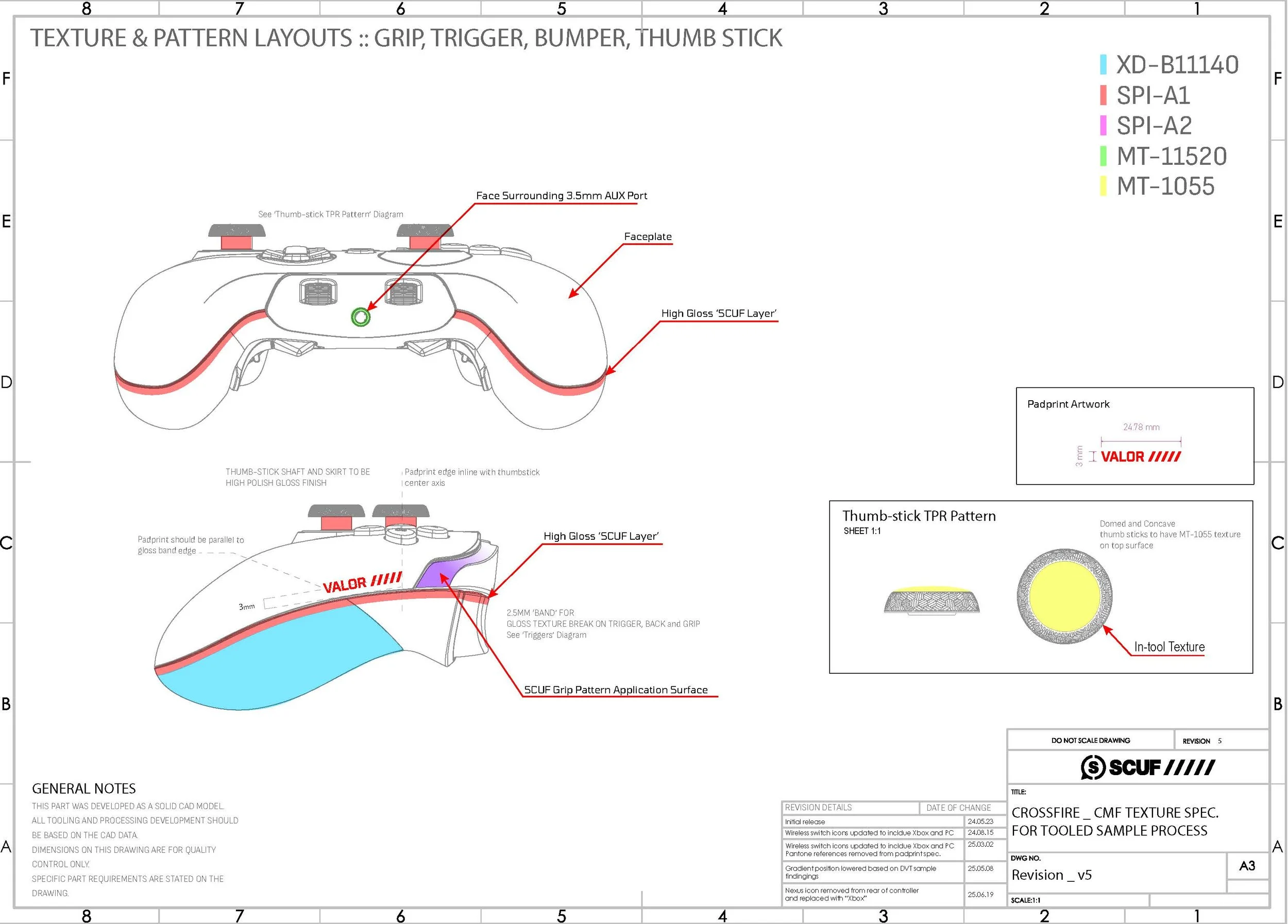
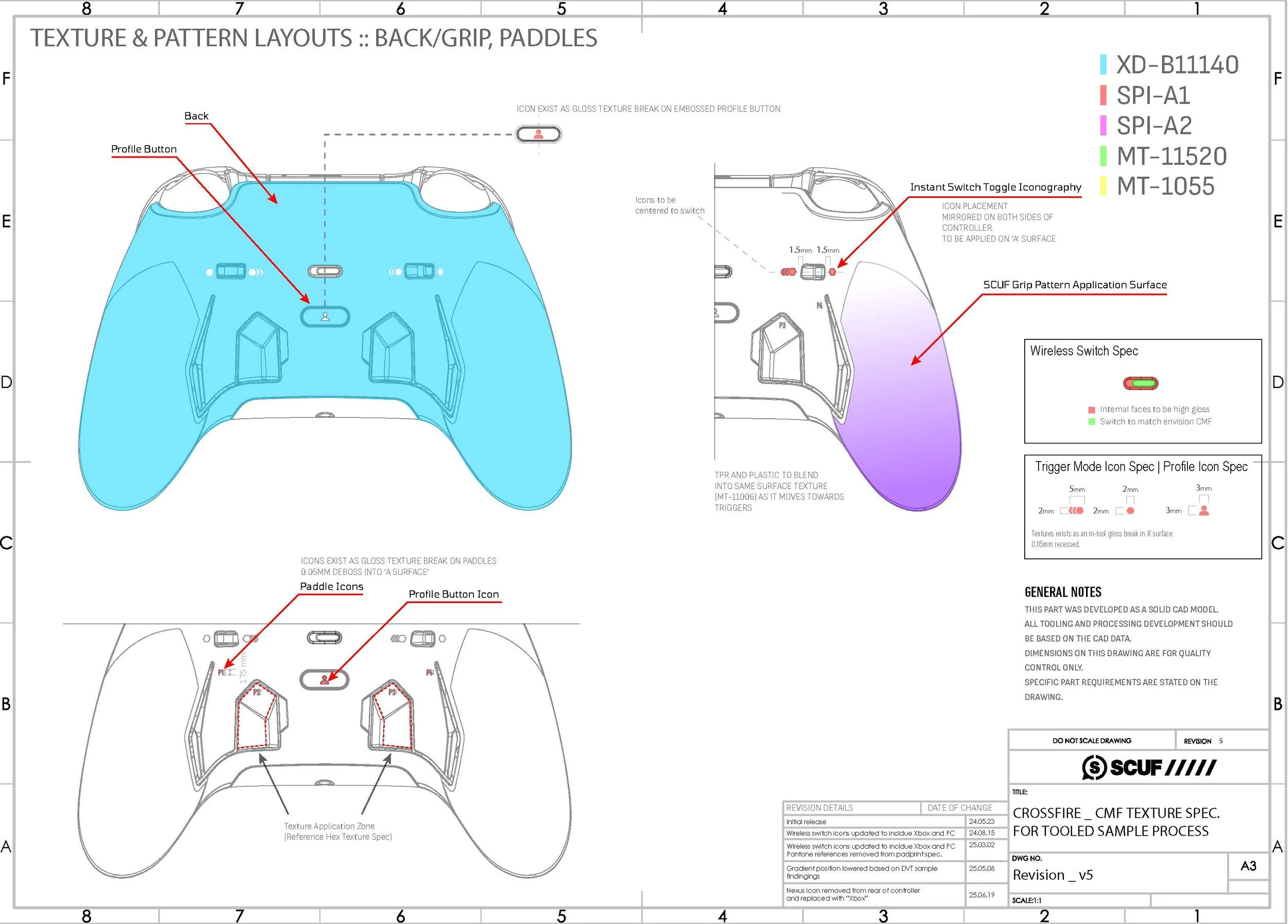
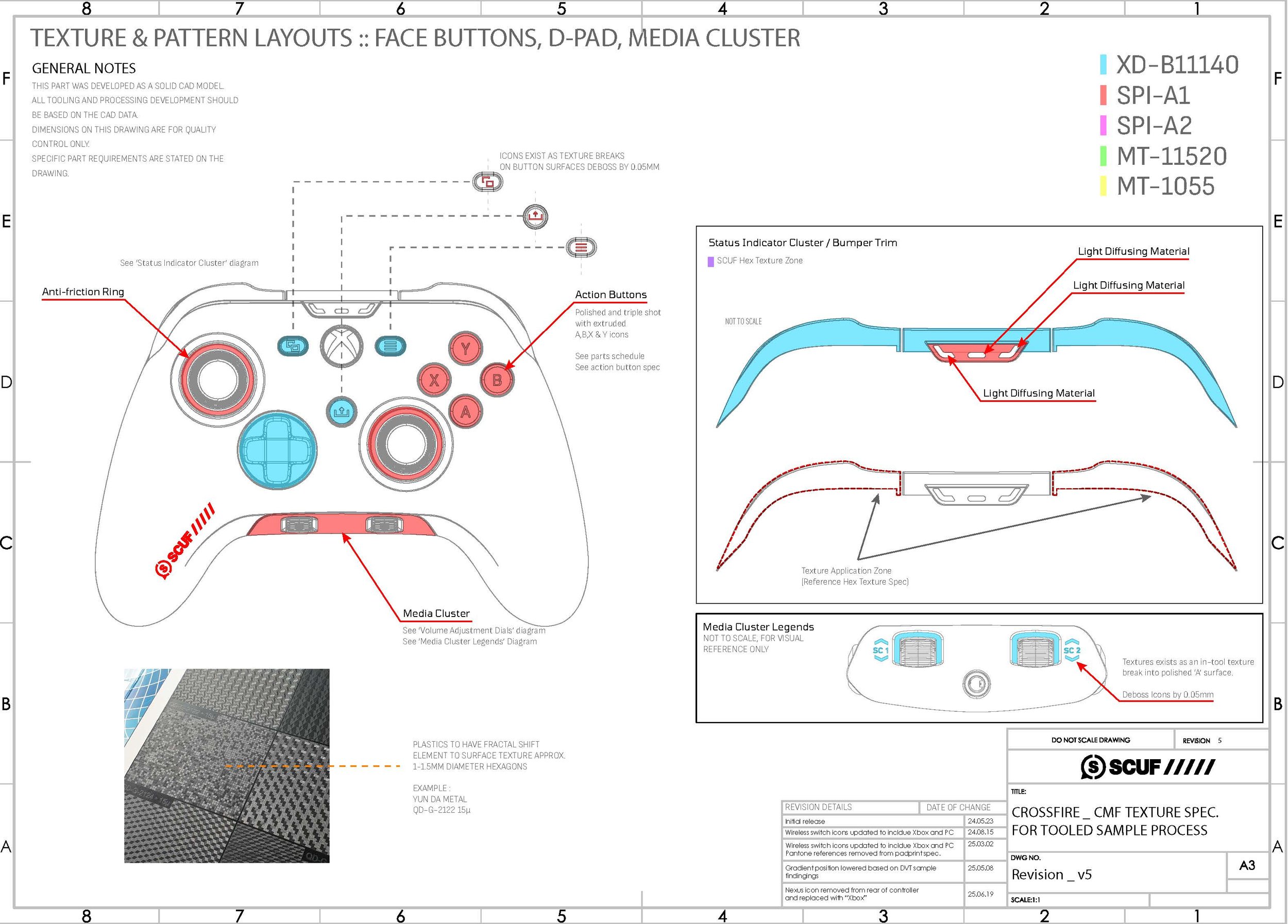
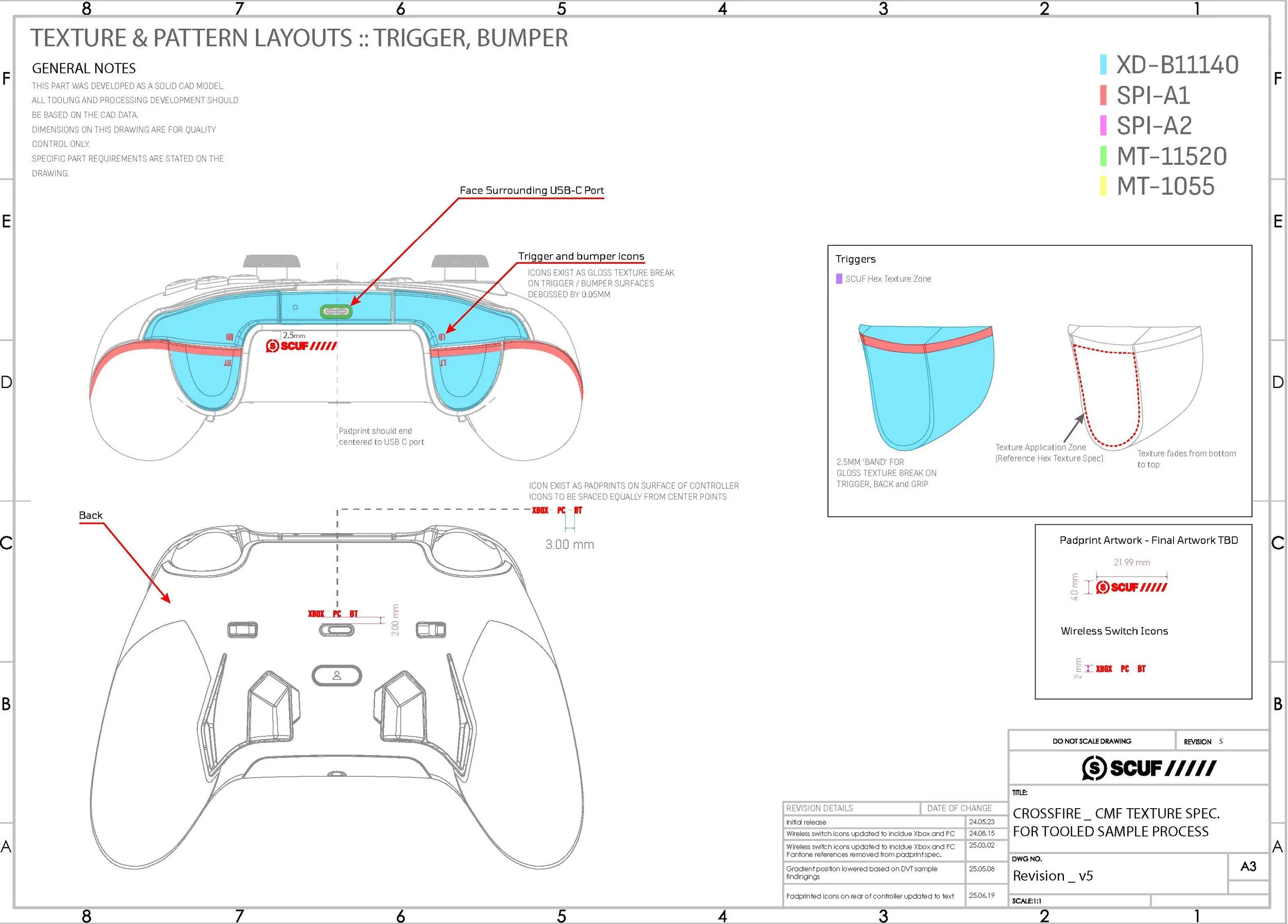
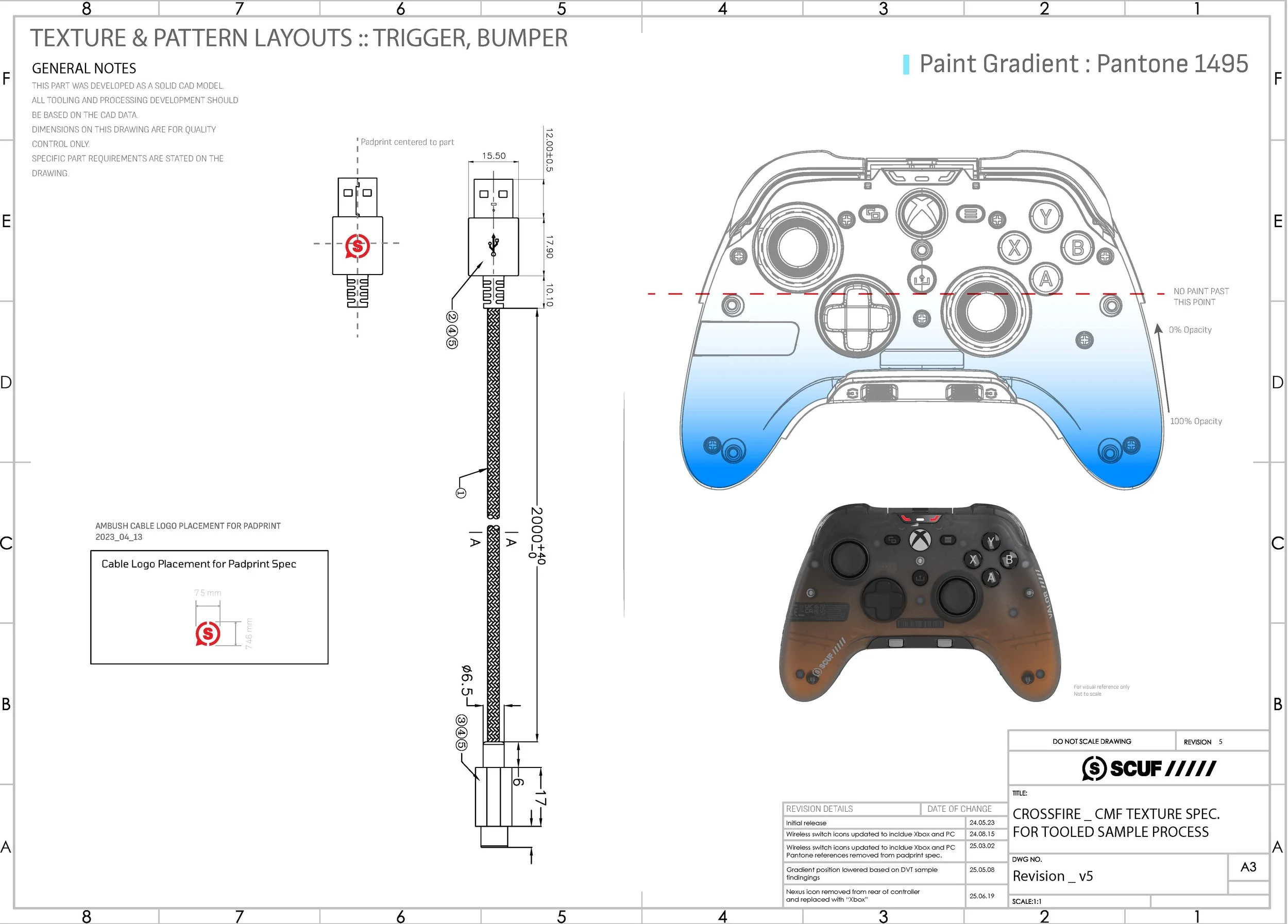
CMF Textures and Finishes Specification //
First Release Production Skus. //