Perform at your best with…
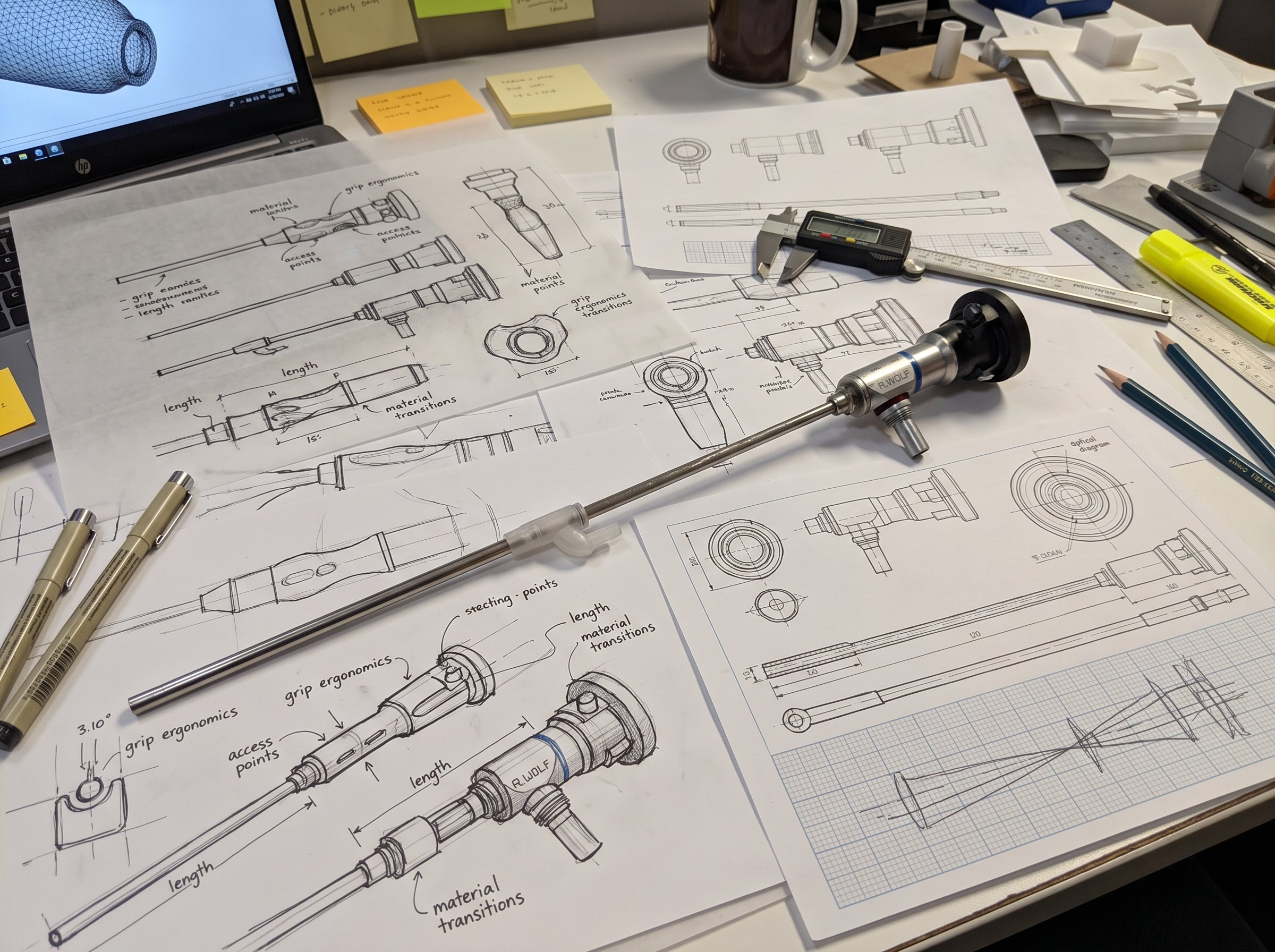
Endoscopic Hand Tool
The Core Problem: Ergonomics & Patient Safety //
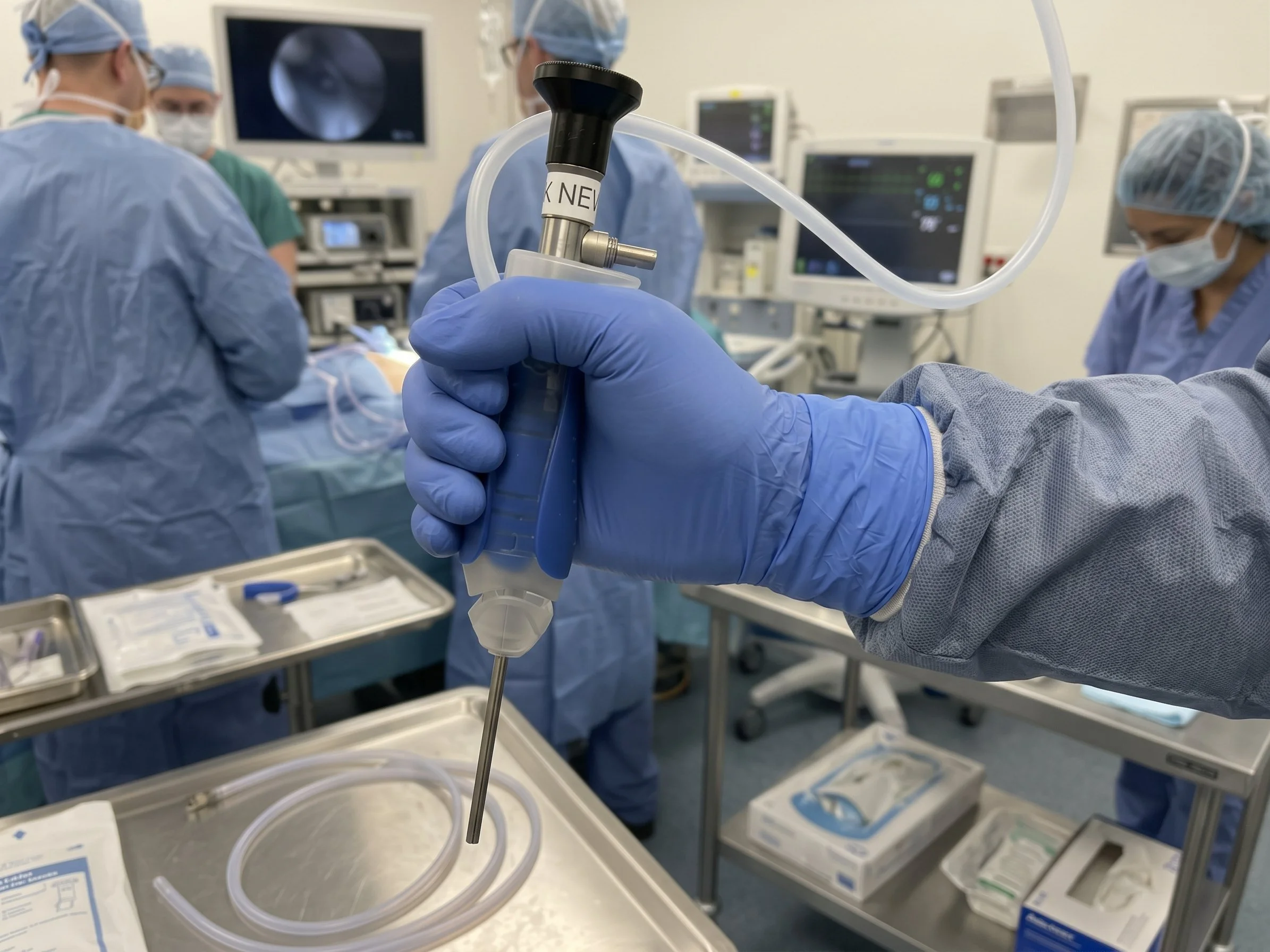
During lengthy otolaryngology (ENT) surgeries, hand cramping and operational fatigue are more than just uncomfortable for the physician—they represent critical patient safety risks. A loss of grip or precise motor control can lead to instruments or surgical materials slipping into the nasal cavity, dramatically increasing the risk of tissue trauma, retained foreign bodies, and severe post-operative infections. This tool was developed to eliminate these risks by providing a balanced, fatigue-reducing grip that maintains peak precision over hours of use.
Research and Contextual Understanding //
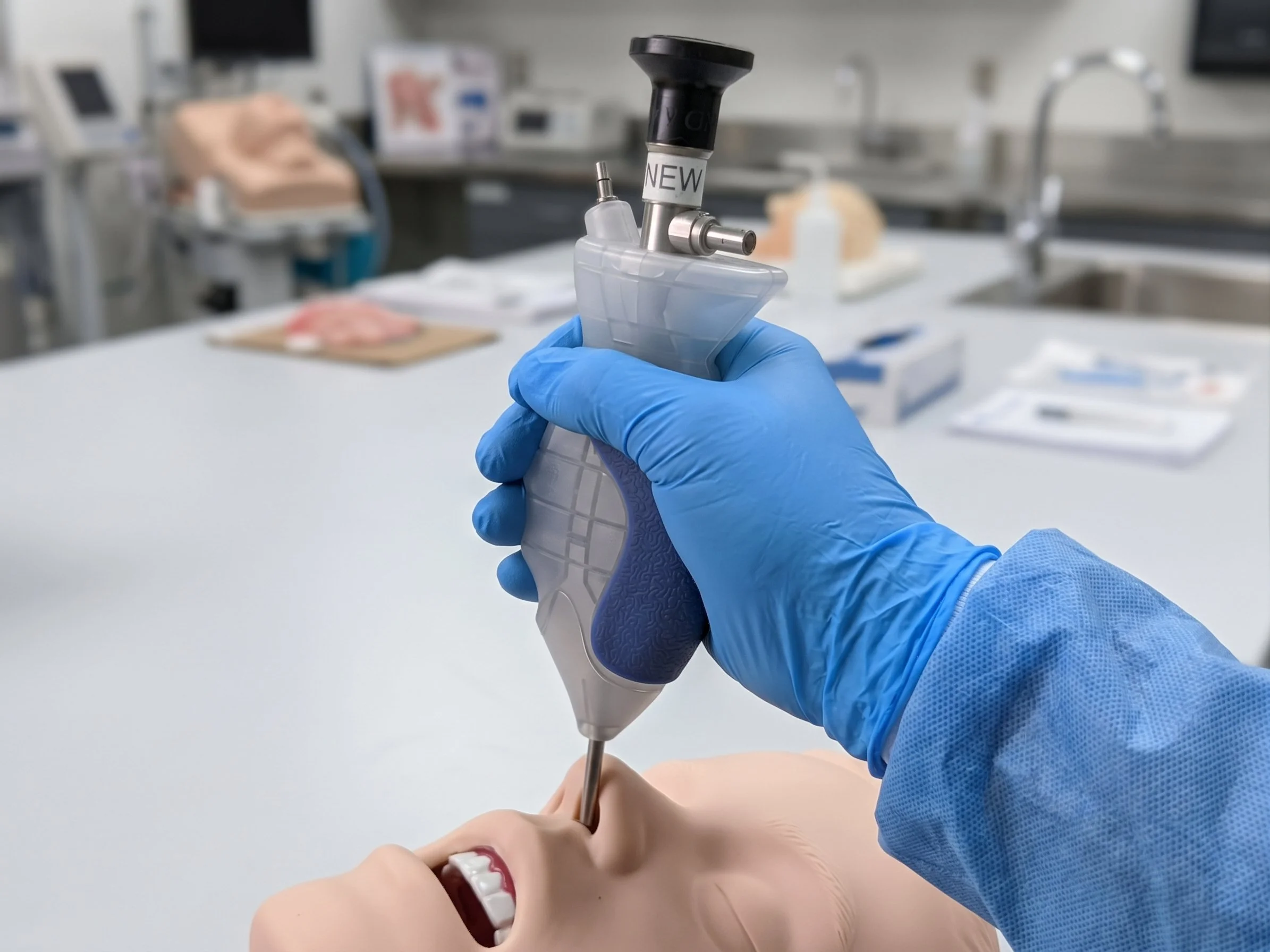
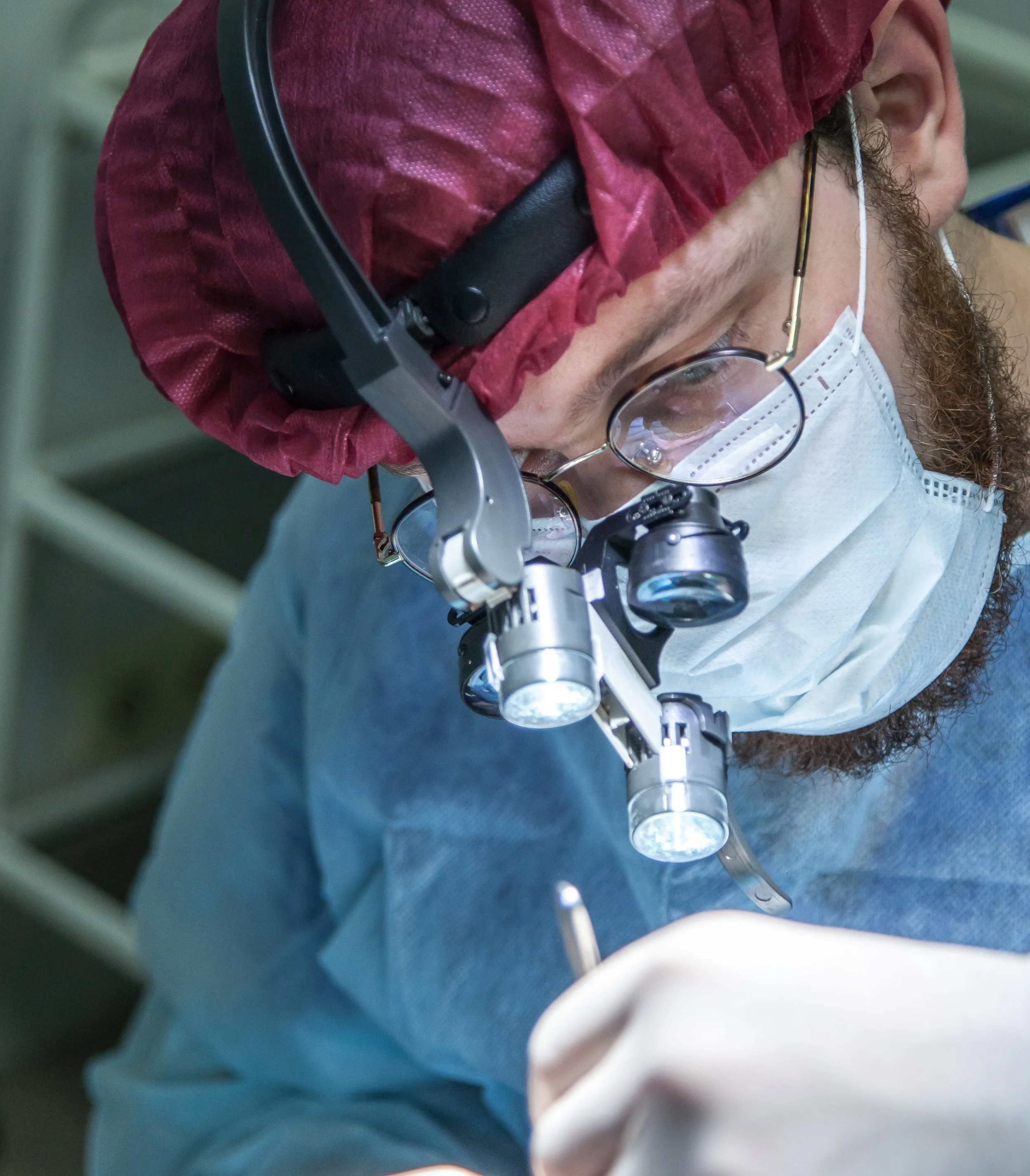
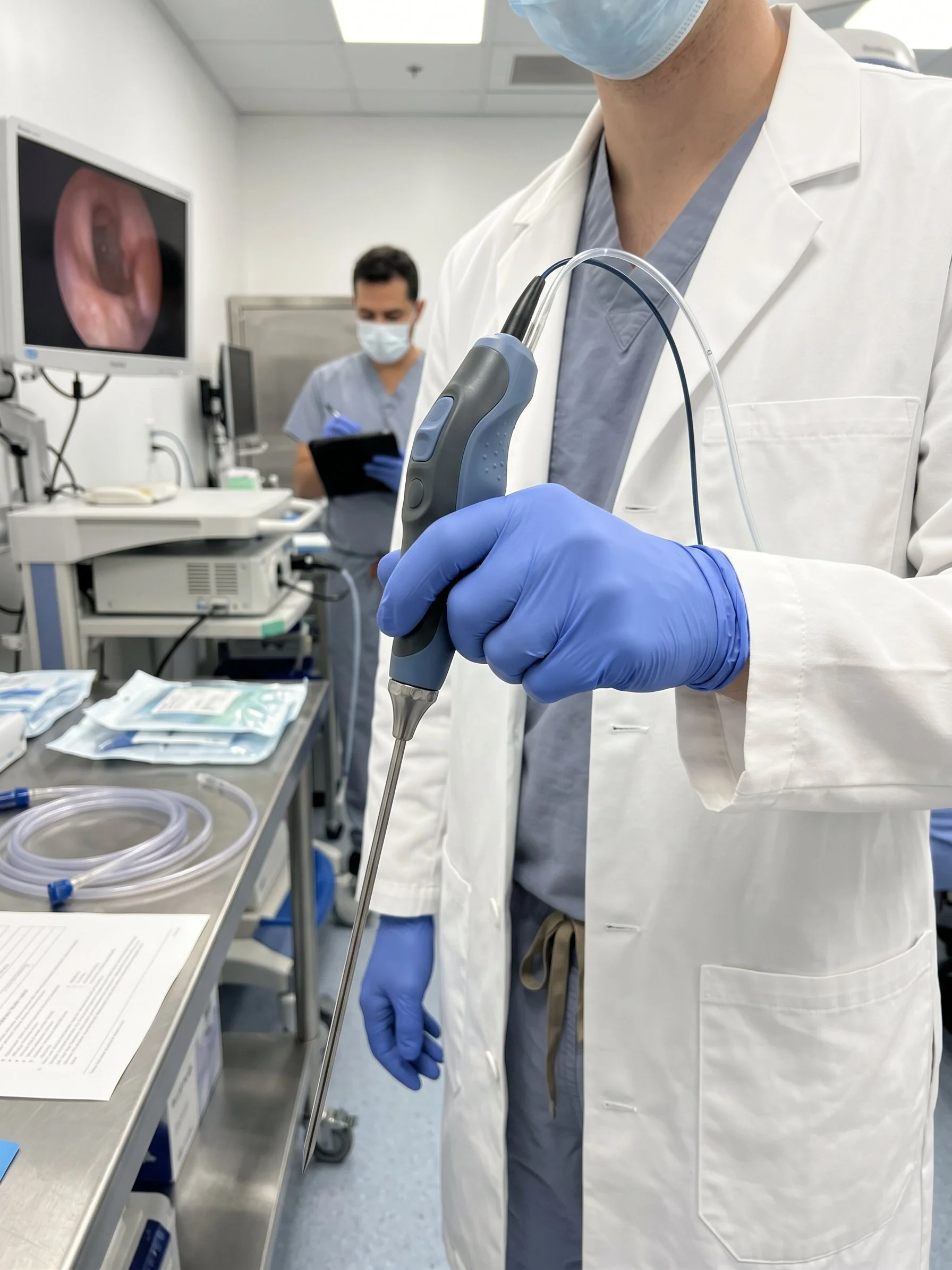
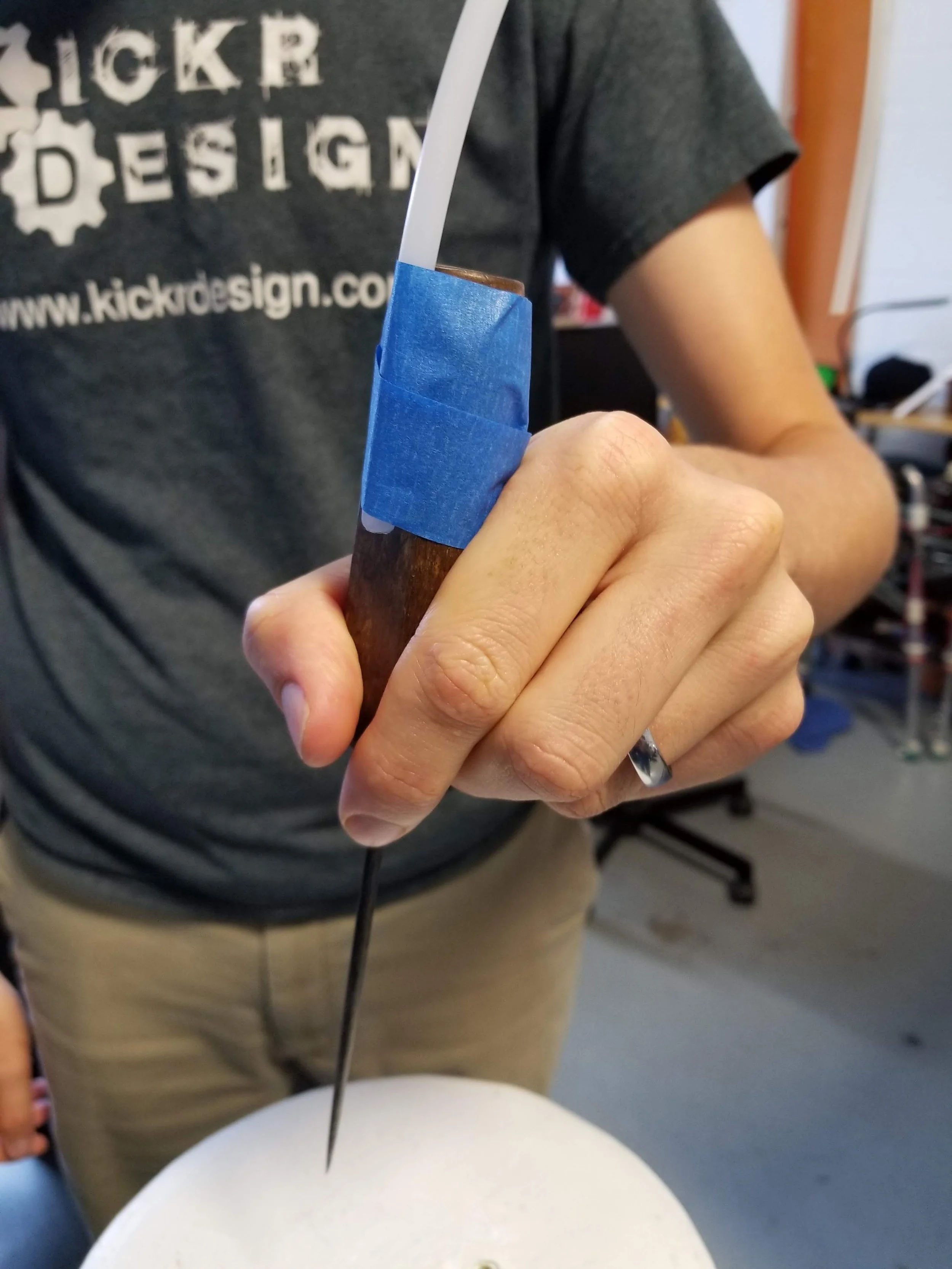
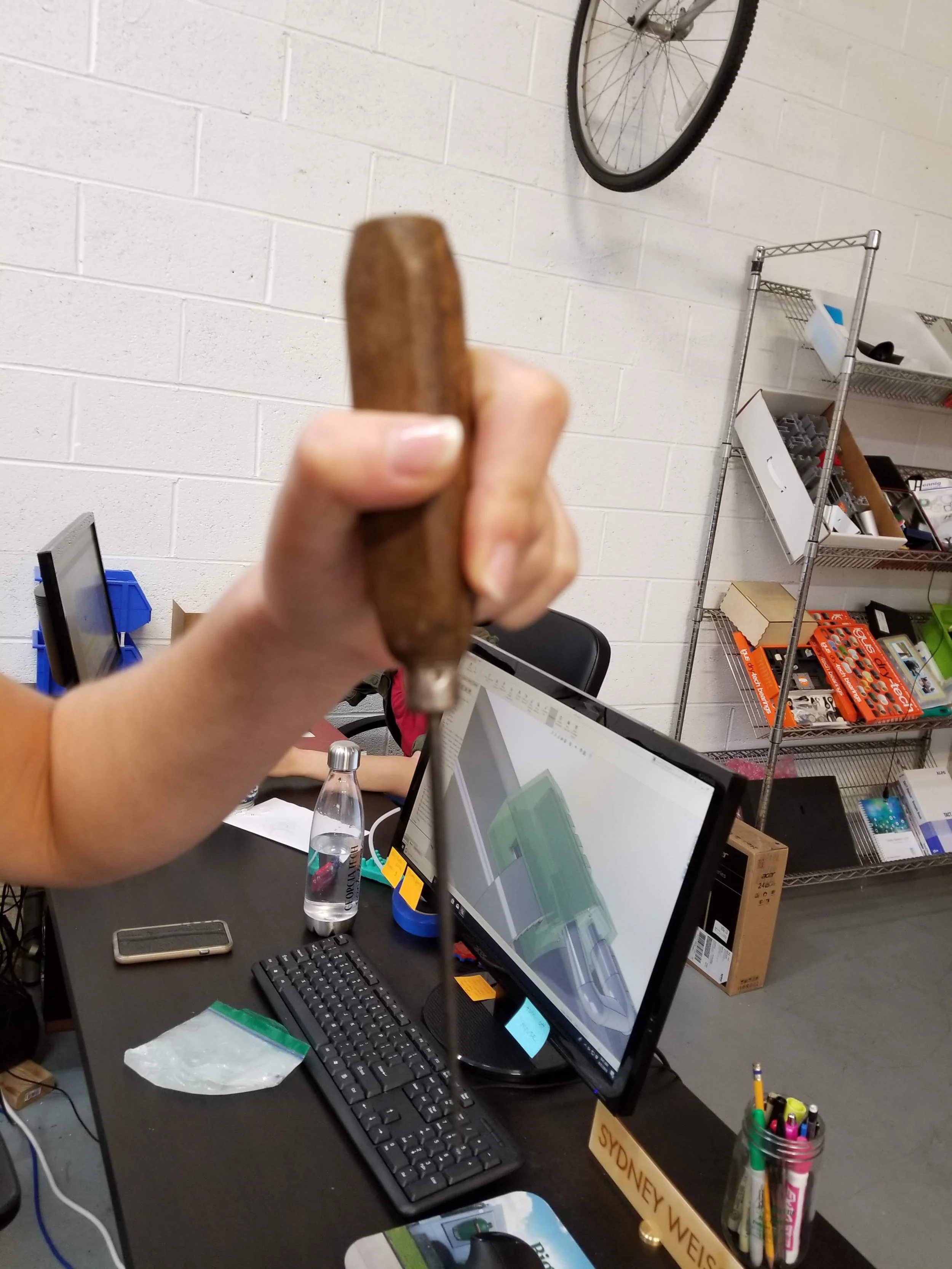
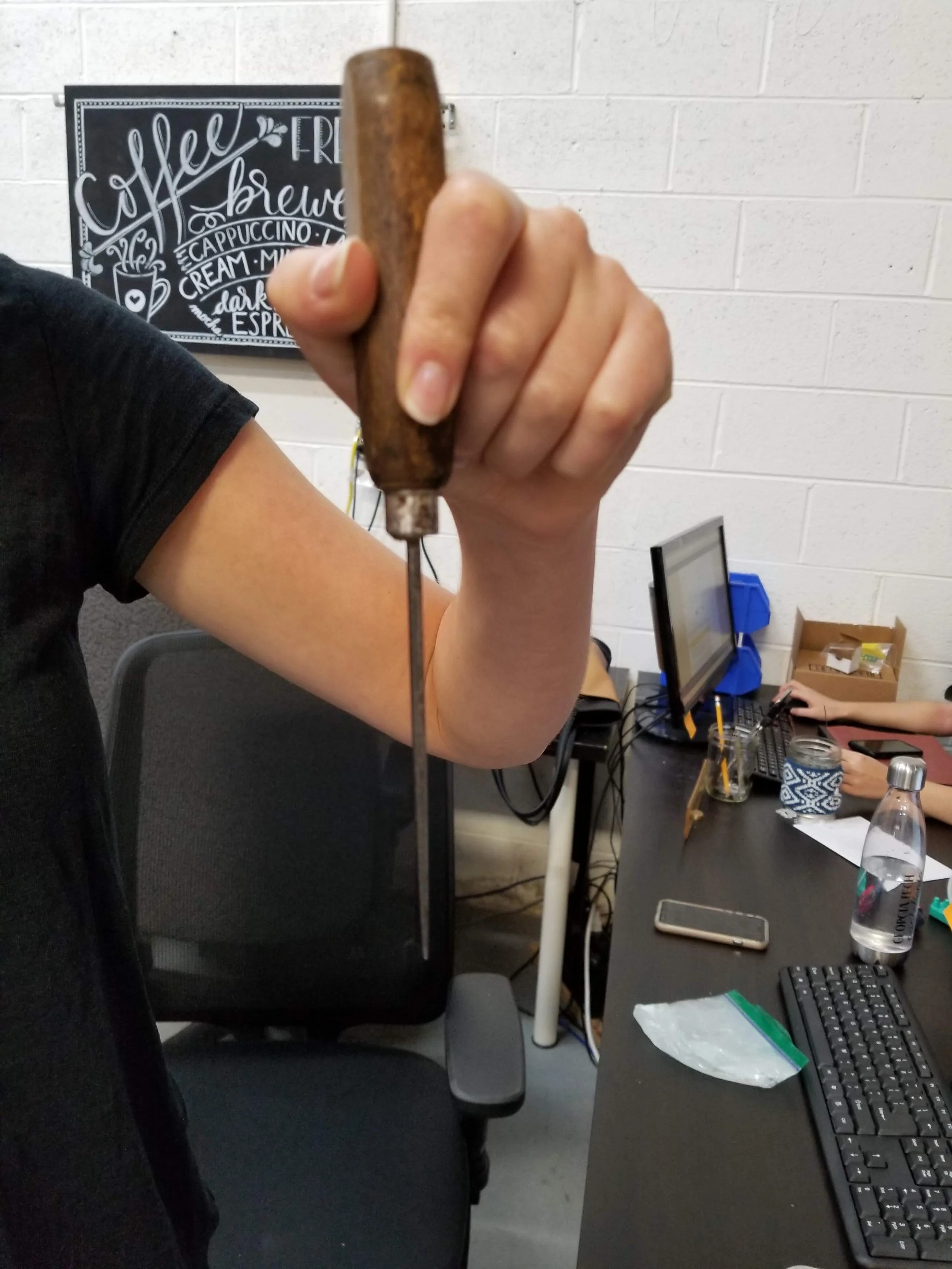
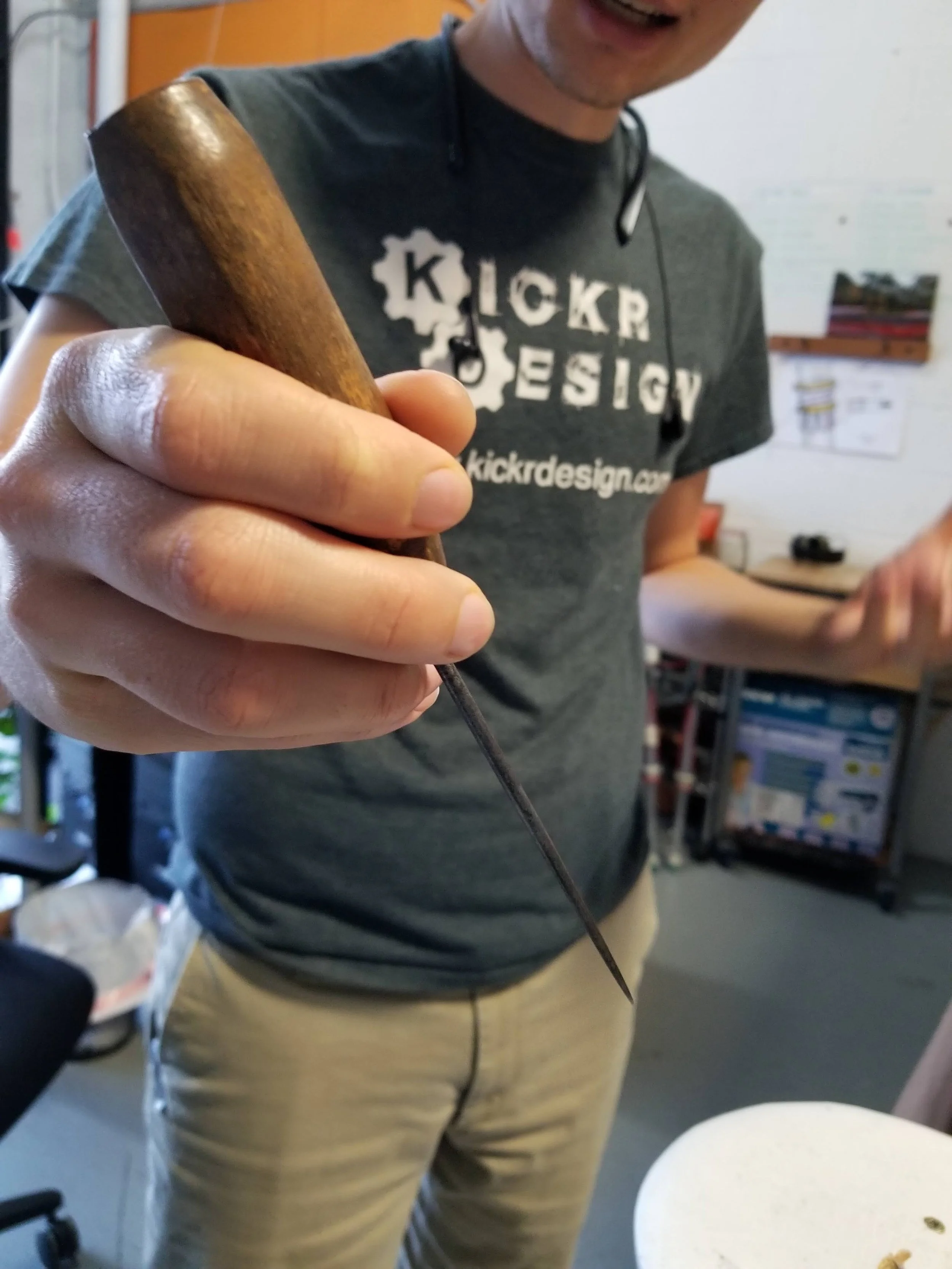
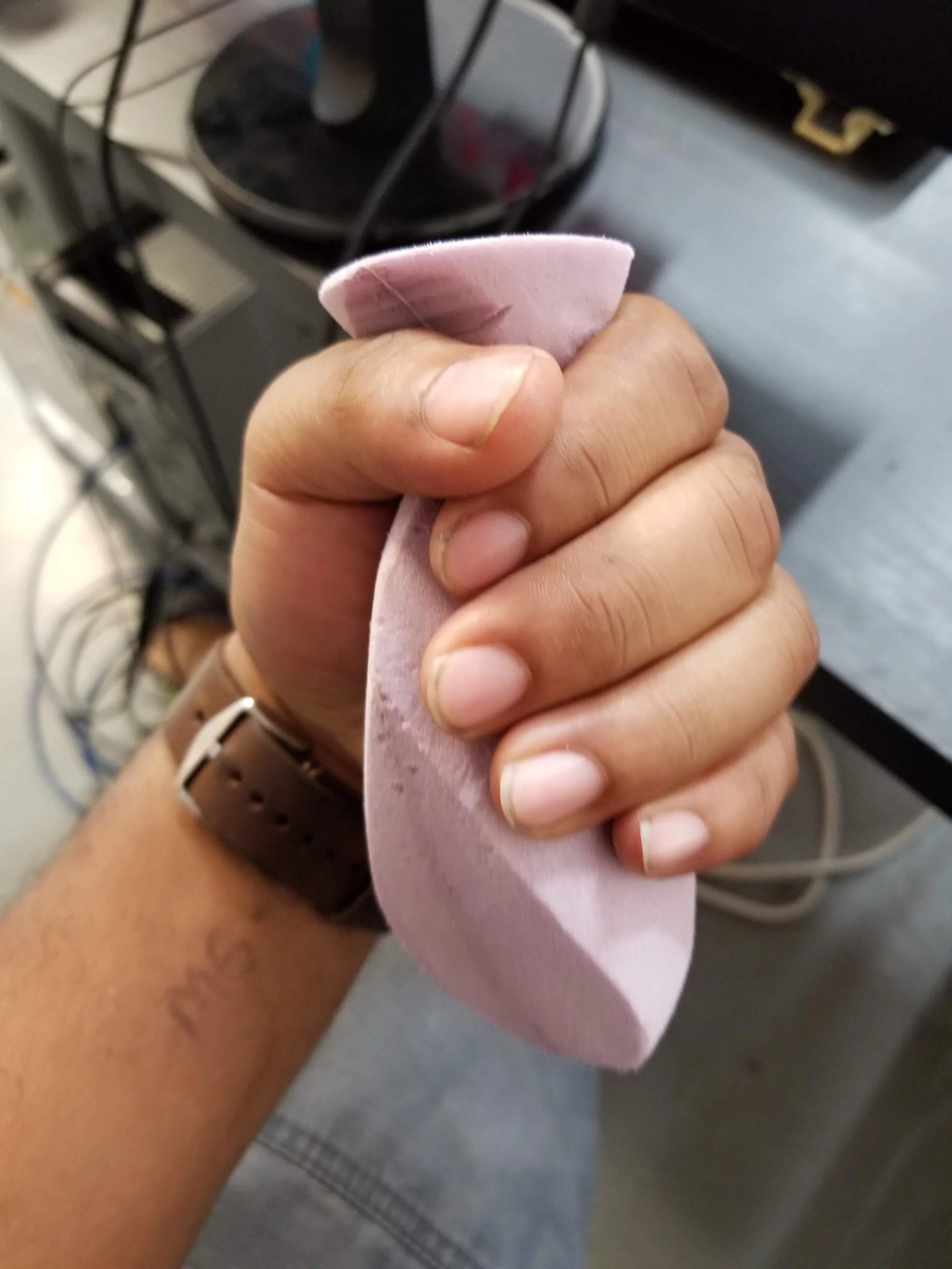
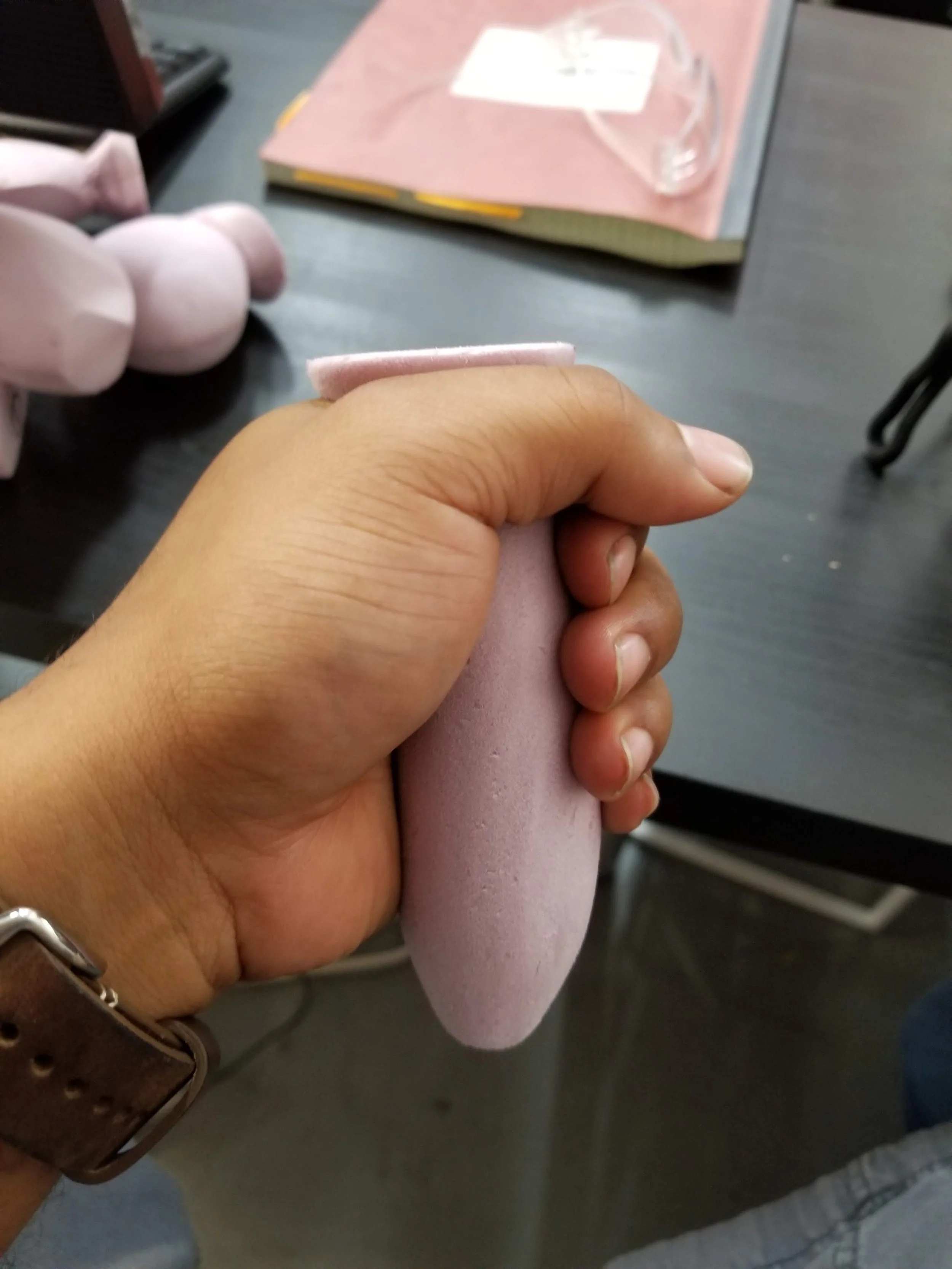
The initial phase of the project focused on analyzing the operational context of the tool and the postural demands placed on surgeons during complex procedures. To determine the most ergonomic hand position, non-functional dummy prototypes were evaluated in both clinical and simulated environments.
This hands-on observational study identified several potential strategies for reducing surgeon fatigue, ultimately narrowing the design focus to two primary ergonomic directions: a precision-focused "pen-like" grip and a neutral "handshake-like" orientation.
Contextual Study Continued //
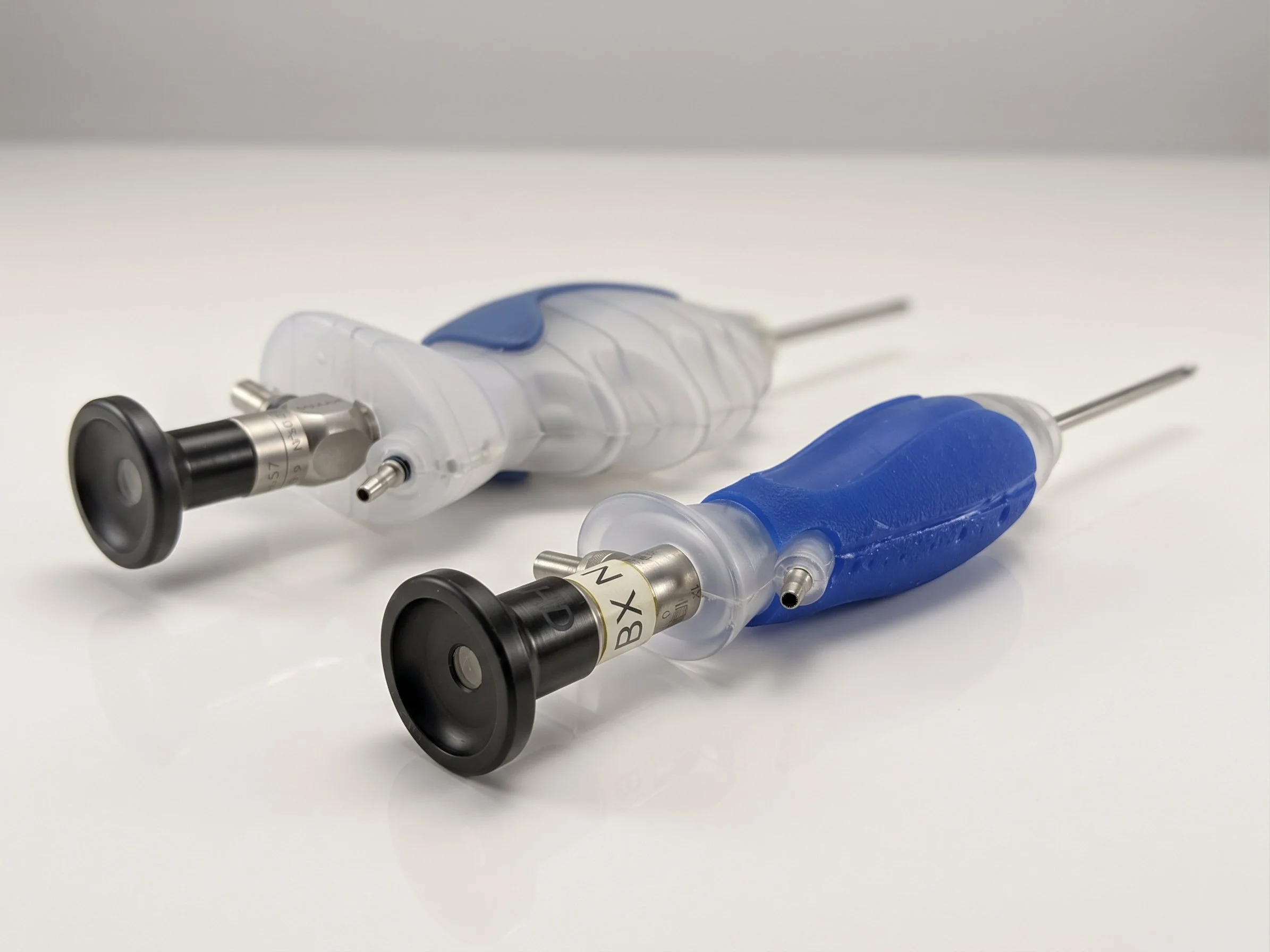
The conclusion of this stage was that more than one solution could be possible based on the specific procedure to be done. A pen like solution and handshake form were to be created in the subsequent stages to validate against.
Contextual Study //
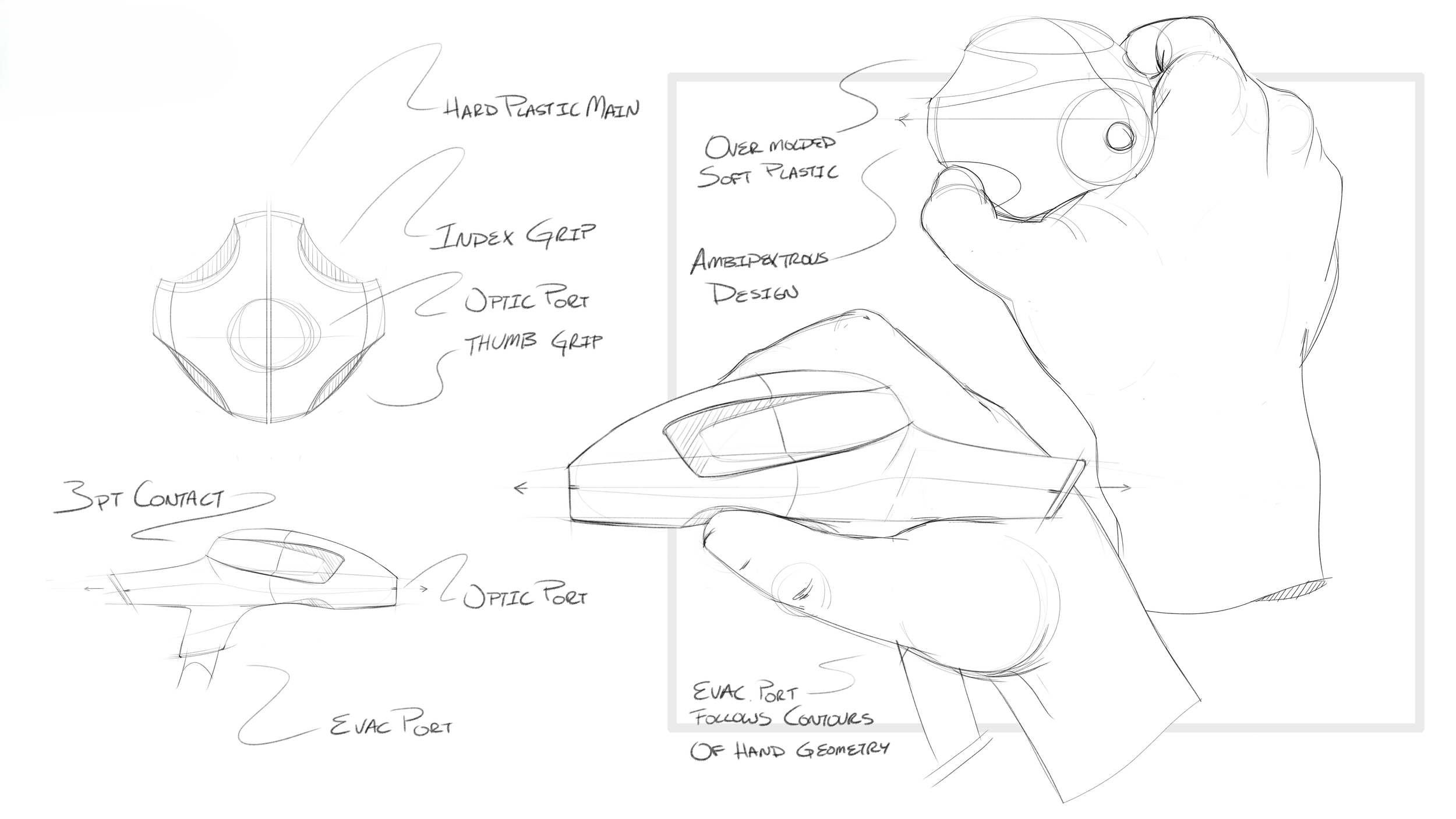
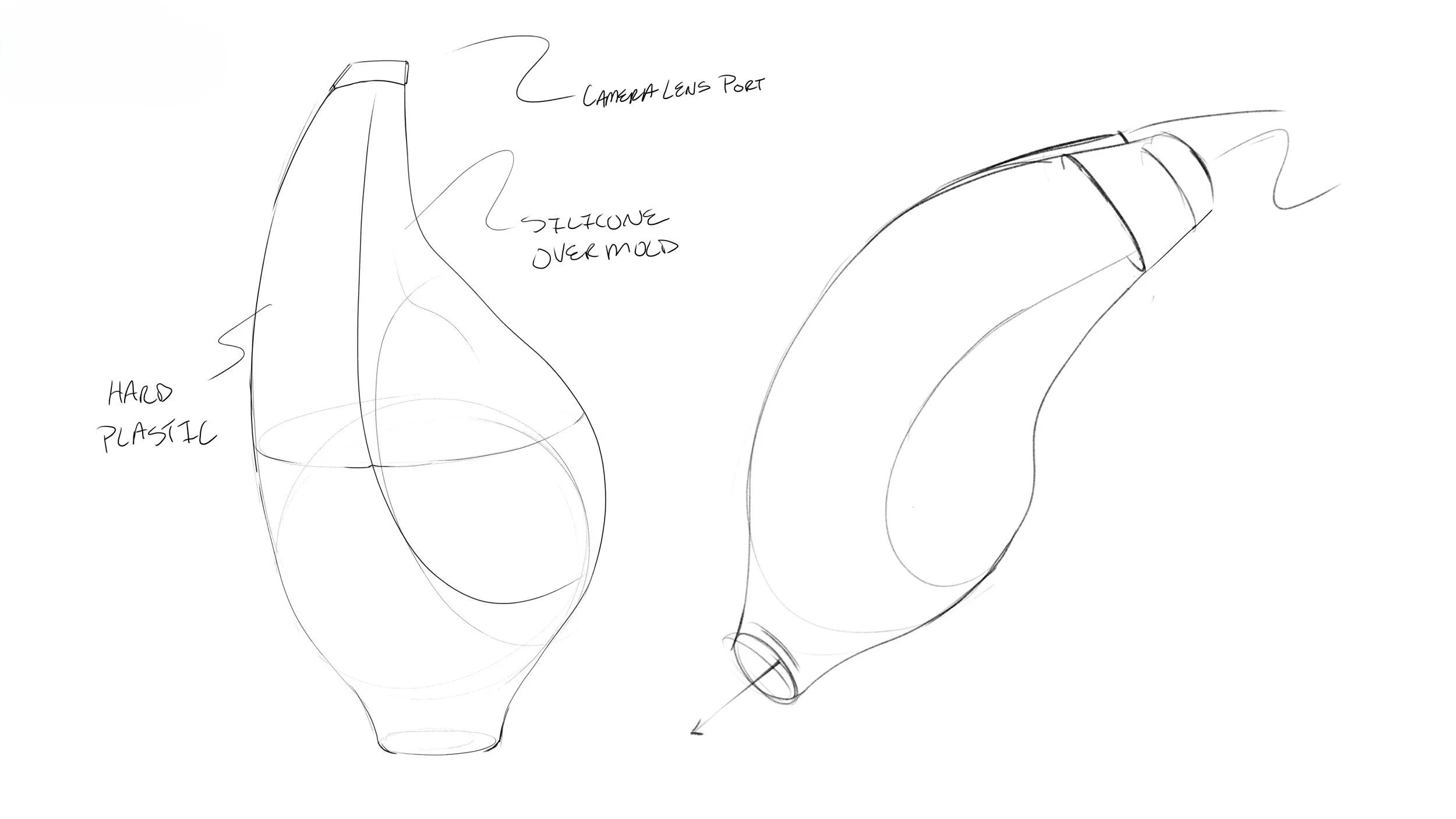
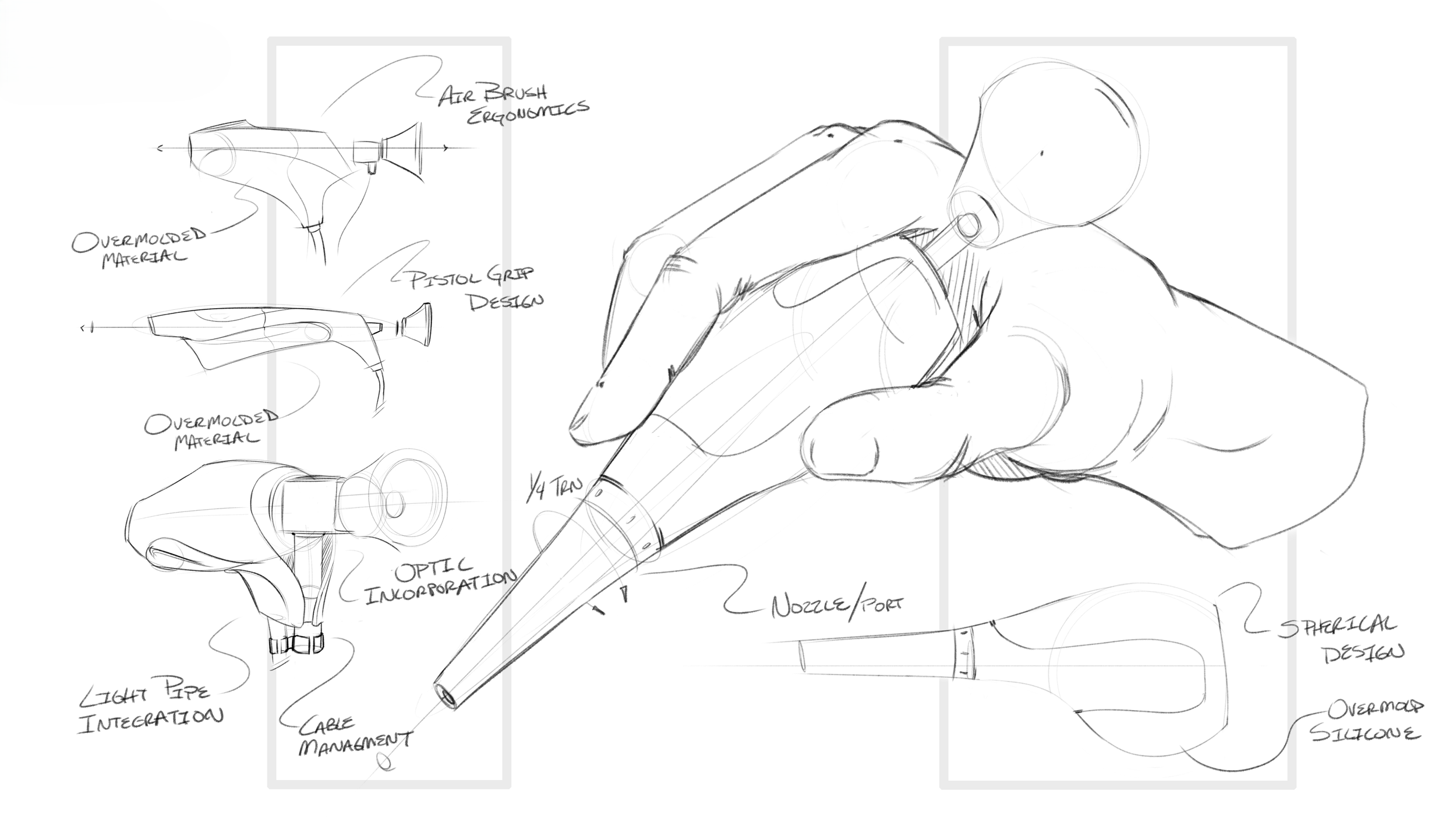
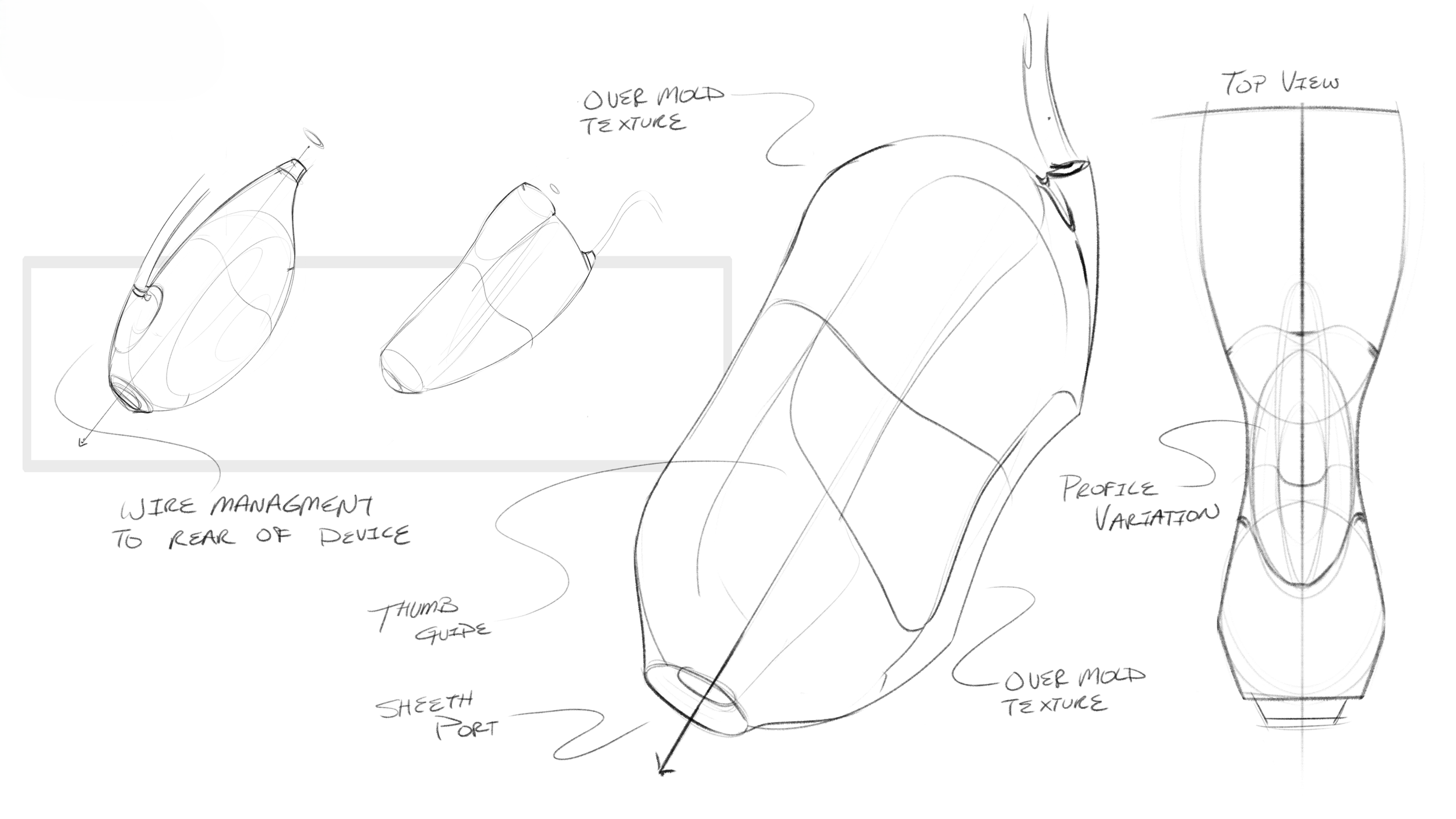
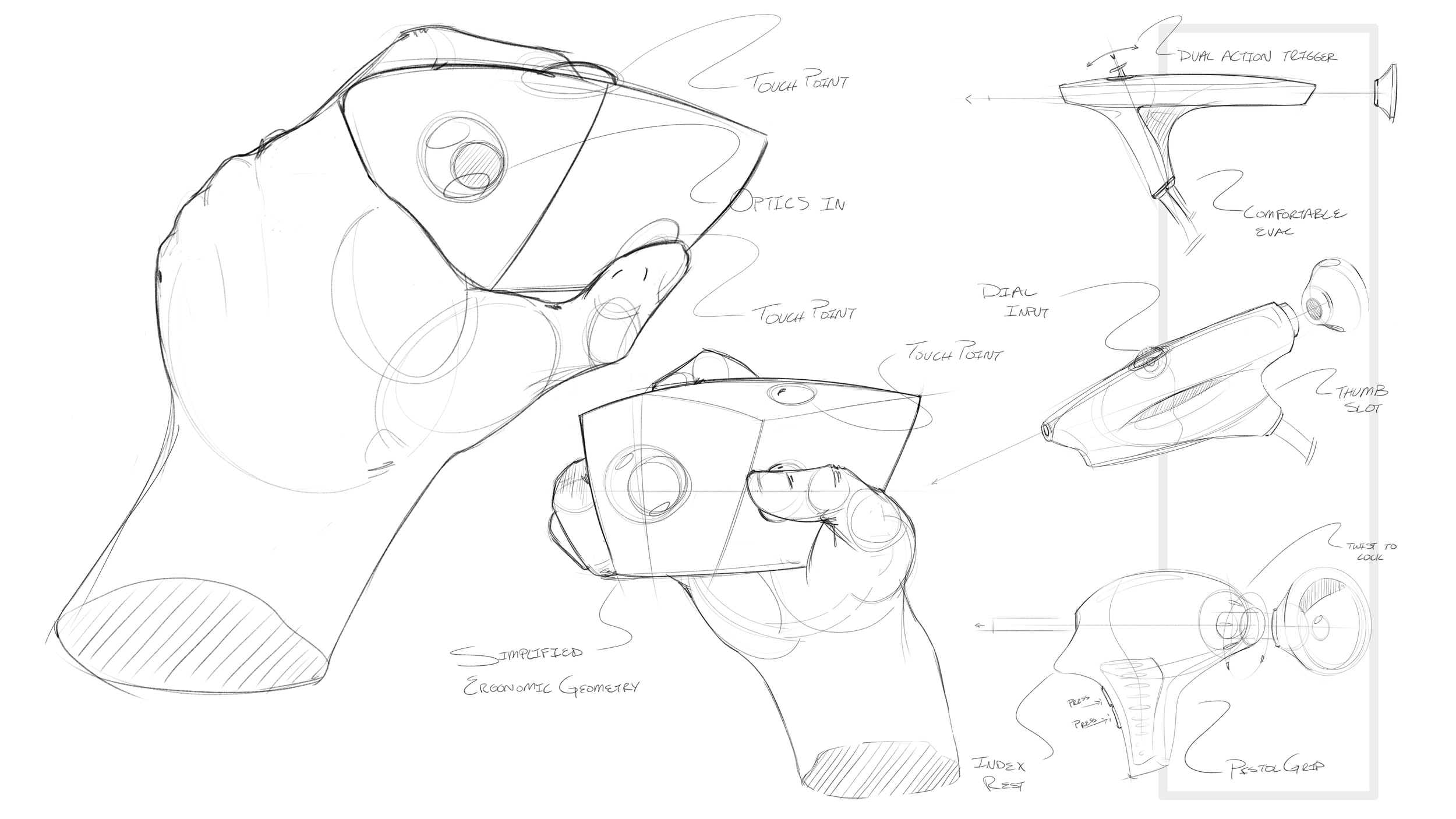
Following the establishment of an ergonomic baseline, concept sketches were developed to explore various grip orientations that would facilitate a more natural, fatigue-reducing posture for the surgeon. These initial designs were validated against preliminary user feedback and began to integrate forms specifically tailored to house the required internal components. Ultimately, this conceptual exploration served as a critical foundational reference to ensure design intent was maintained throughout the subsequent 3D modeling and physical prototyping phases.
3D Form Validation //
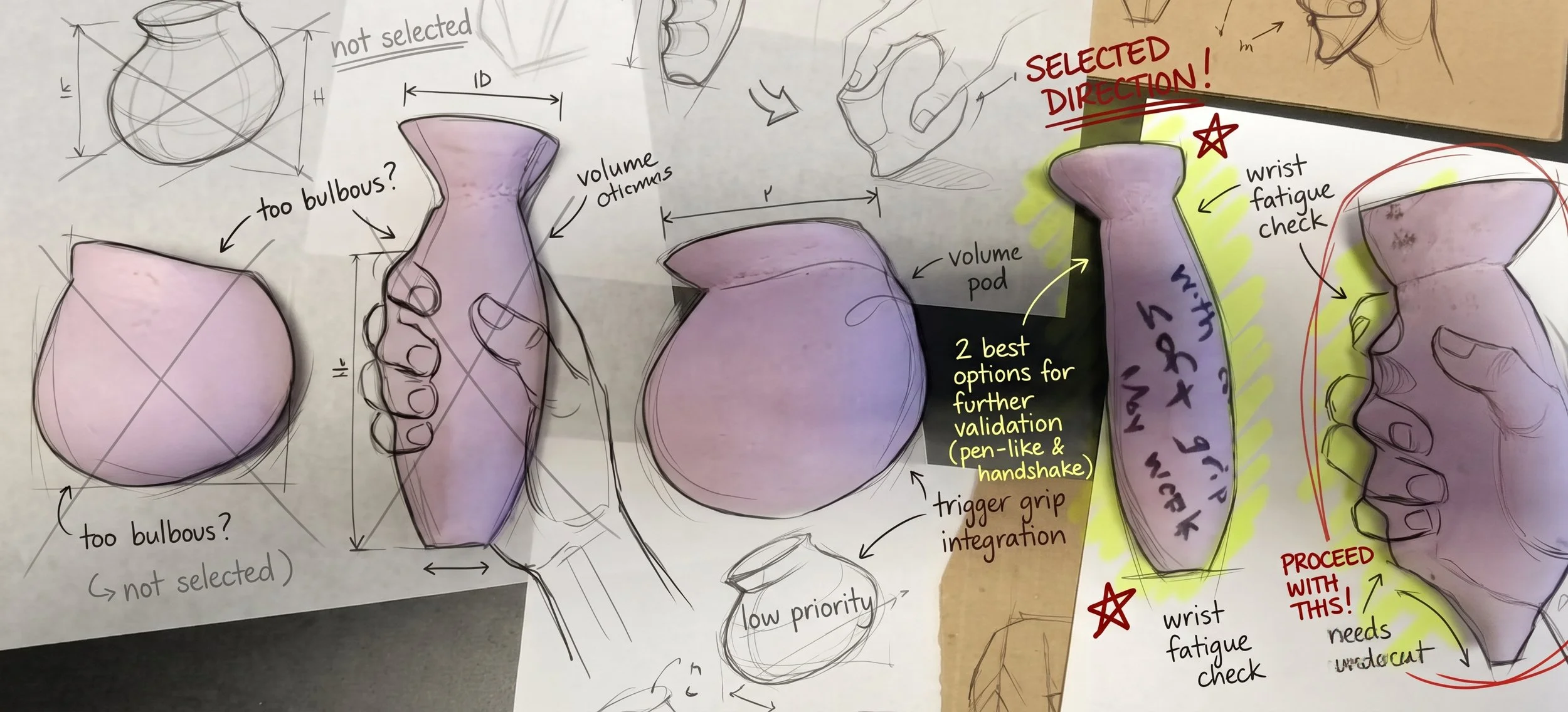
To evaluate the preliminary Class-A surface geometry, physical foam mockups were produced for tactile review. These prototypes underwent rigorous ergonomic testing by alpha and beta cohorts comprising experienced operating room personnel and medical professionals. The feedback from these practical studies validated the clinical viability of the proposed forms, confirming user comfort and clearing the chosen design directions for advanced engineering and functional development.
2nd Stage Form Validation //
Based on alpha group testing stage
Irrigation Sheathe CAD Development //
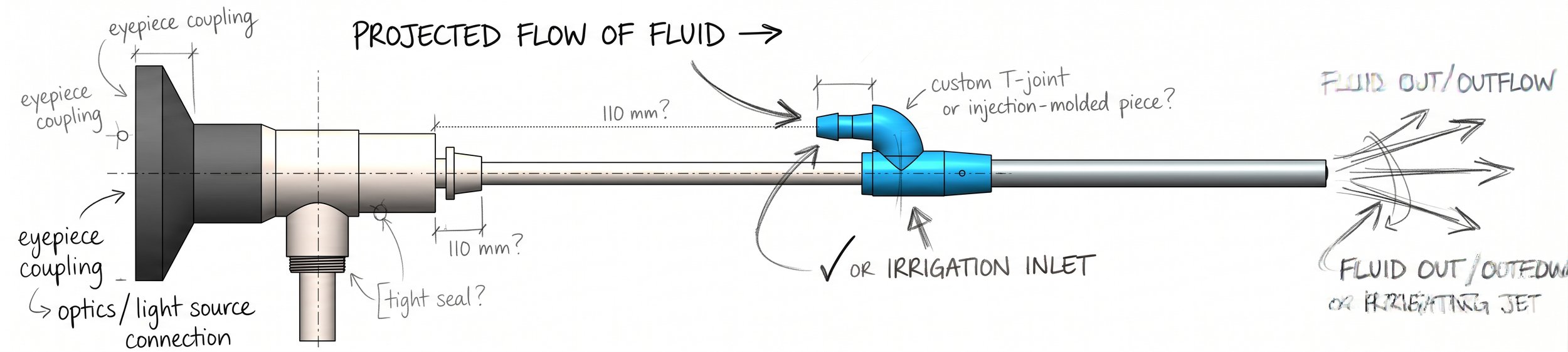
Prior to deriving final surfaces from the ergonomic foam studies, the team engineered a dynamic telescoping irrigation sheath to integrate directly over the endoscope assembly.
This critical innovation elevates the design from a simple ergonomic handle into a multifunctional device, successfully consolidating two distinct operating room tools into a single streamlined instrument. This single assembly could be used for both examples to consolidate part counts.
Because the irrigation lines must translate smoothly along the endoscope as the surgeon adjusts focal lengths on the fly, a custom O-ring gasket system was implemented. This dynamic seal ensures reliable fluid management, effectively preventing saline ingress and protecting the internal mechanics of the main housing assembly during active use.
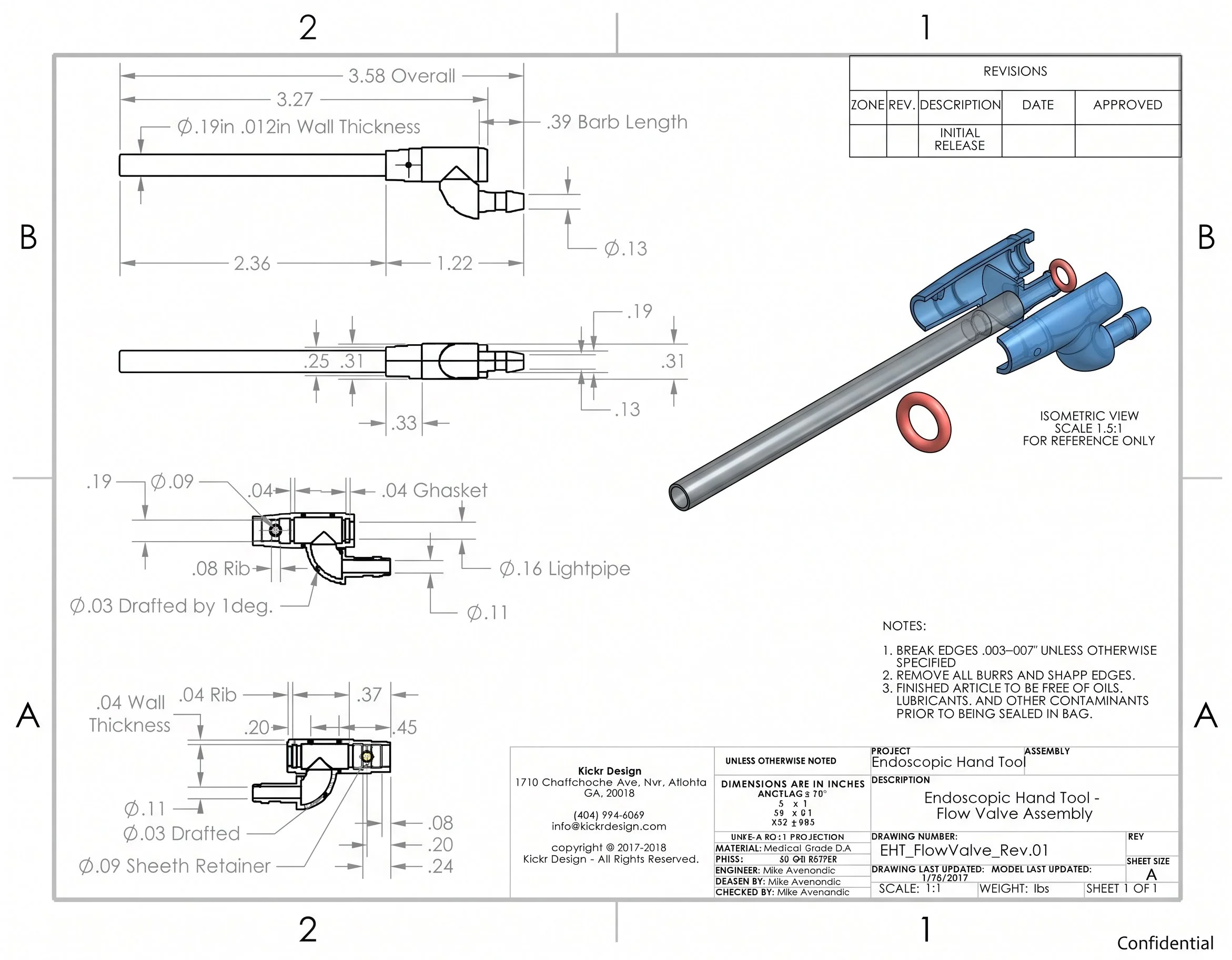
CAD Creation Based on 3D Study //
Based on alpha group testing stage
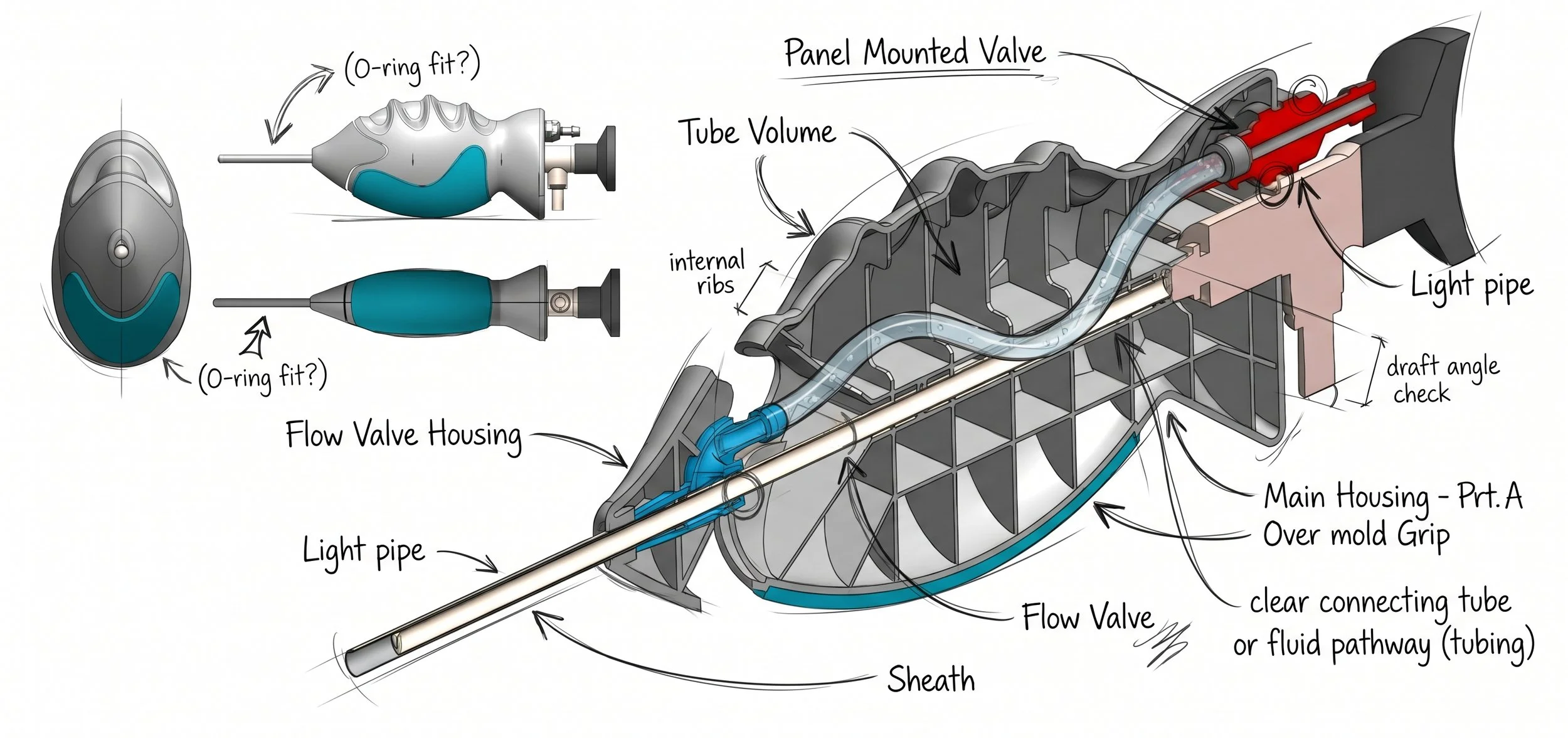
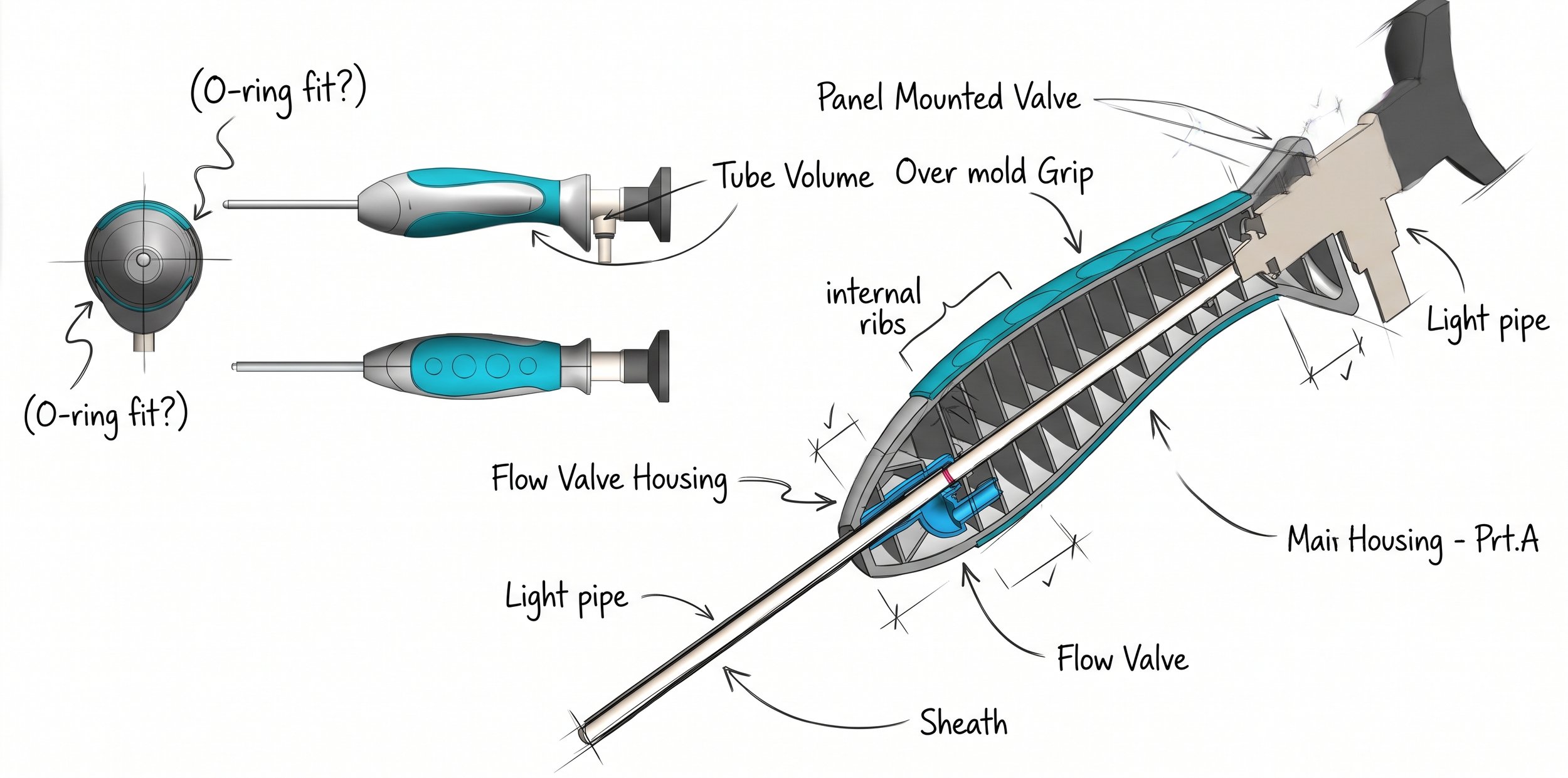
Finalized CAD Assembly //
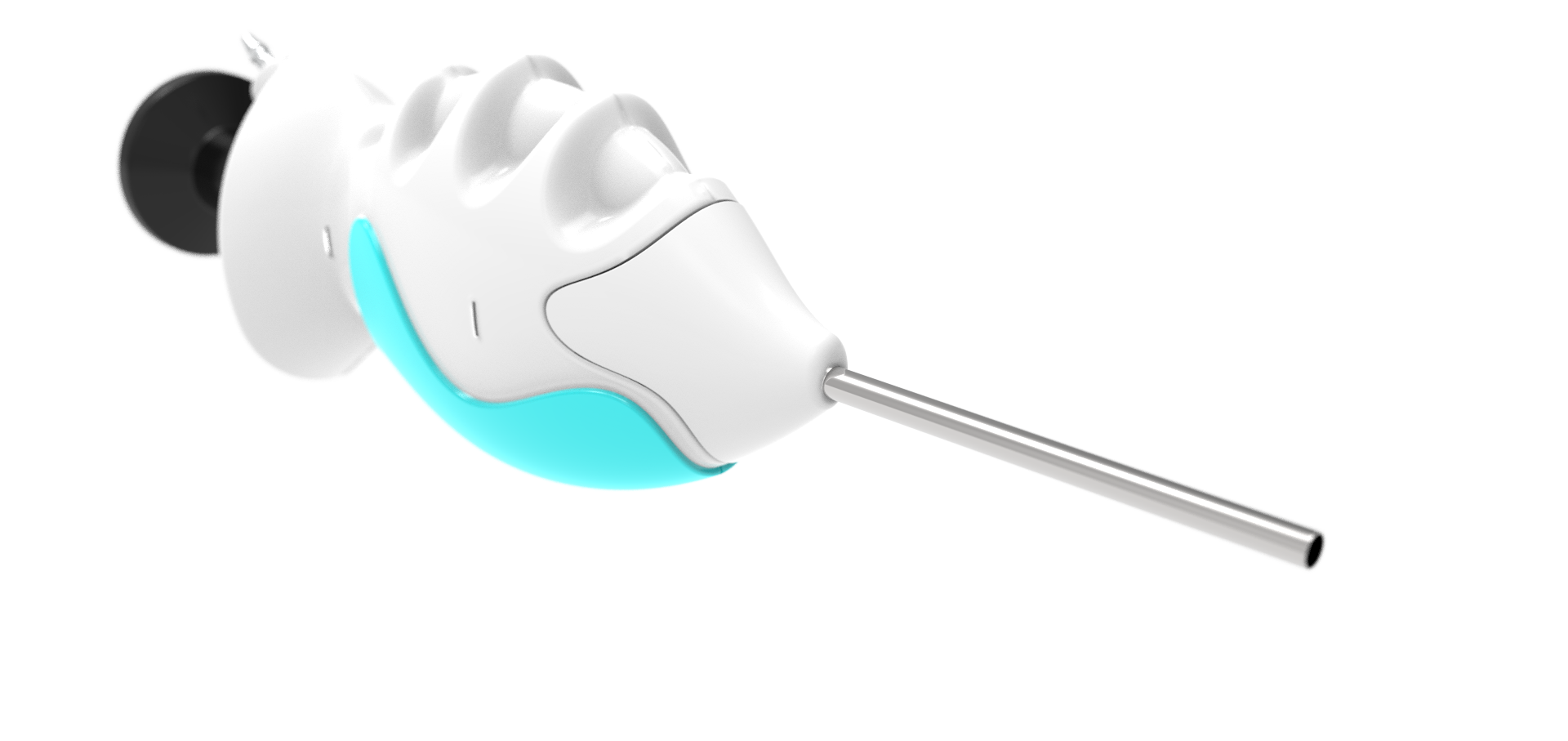
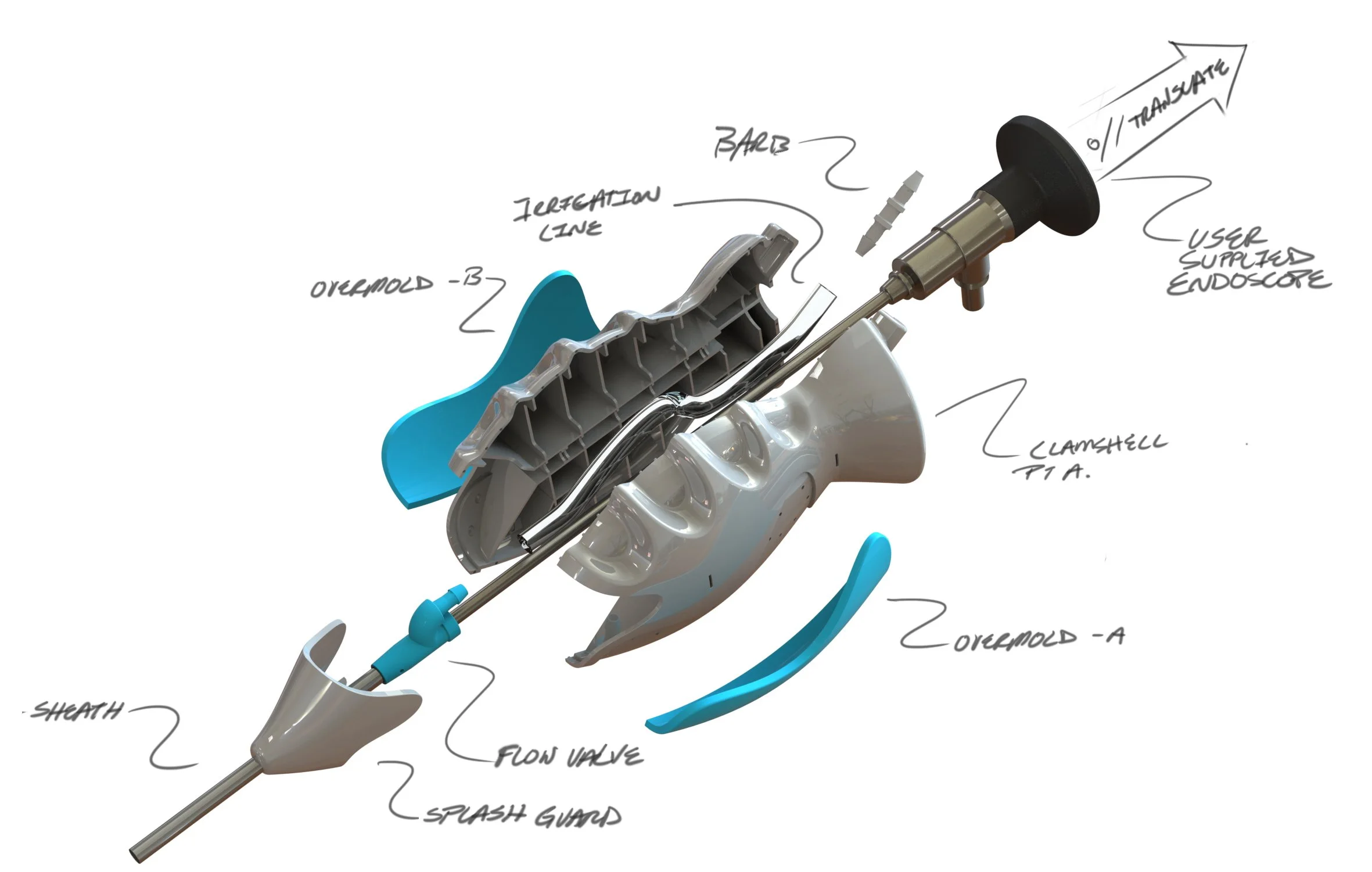
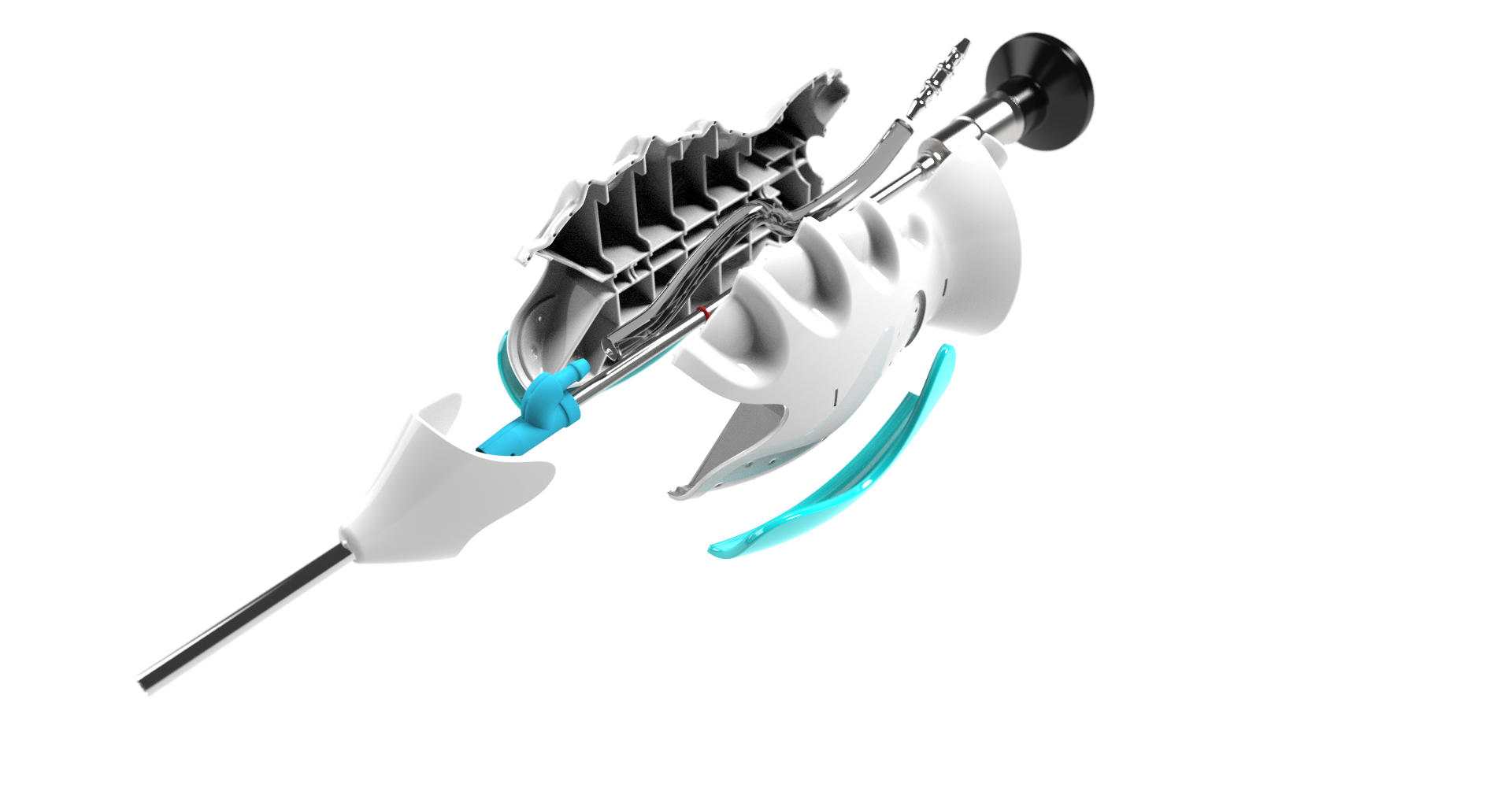

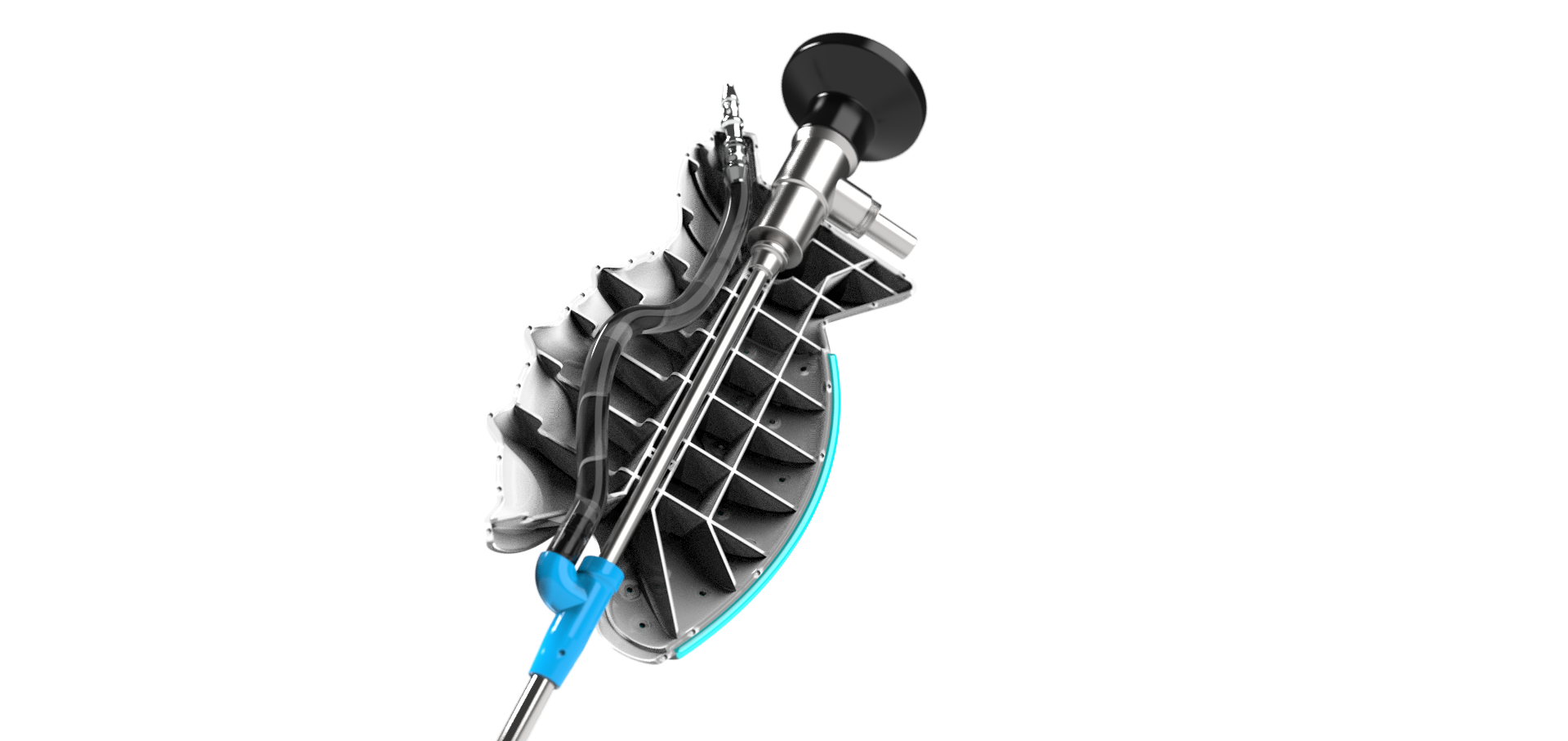
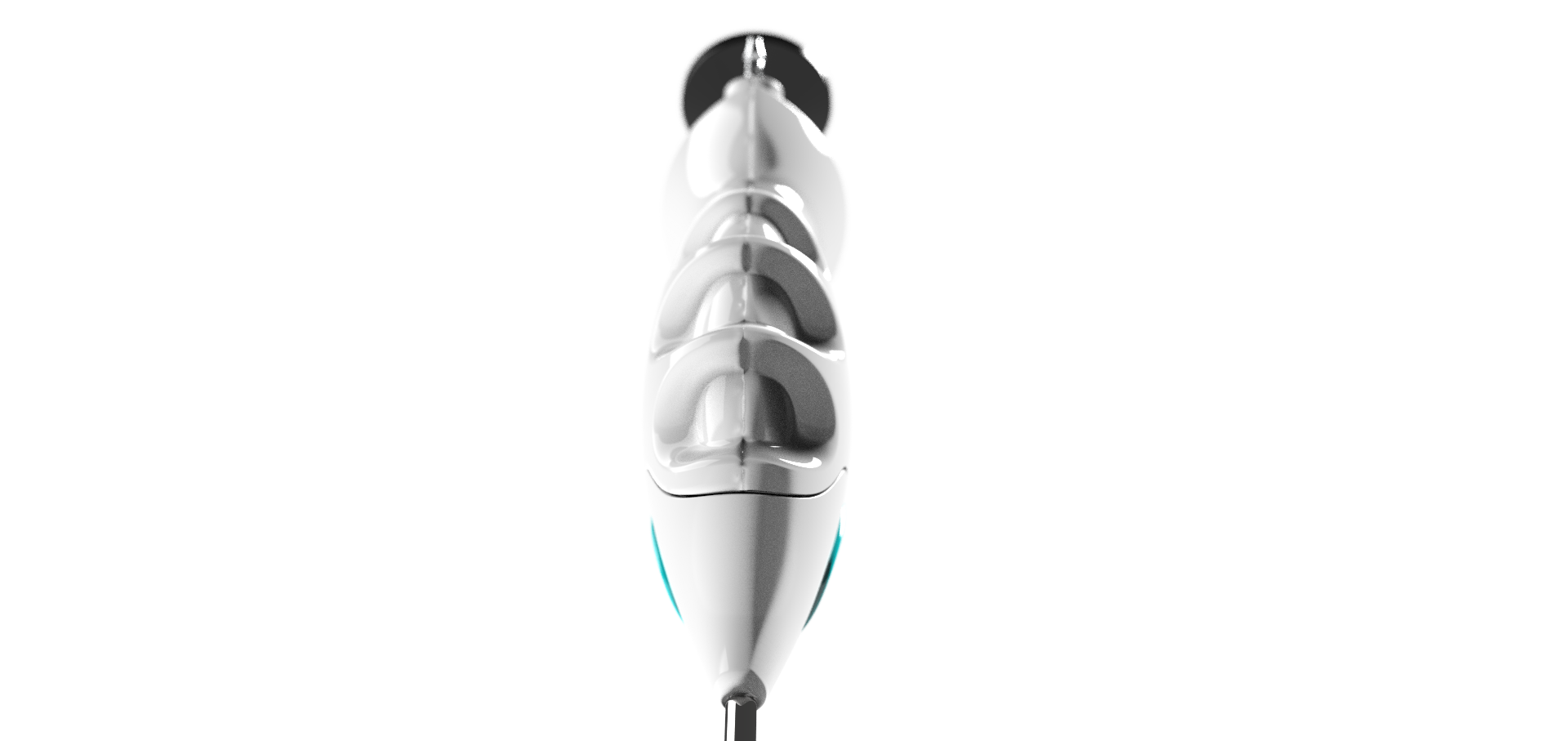

Finalized CAD Assembly //
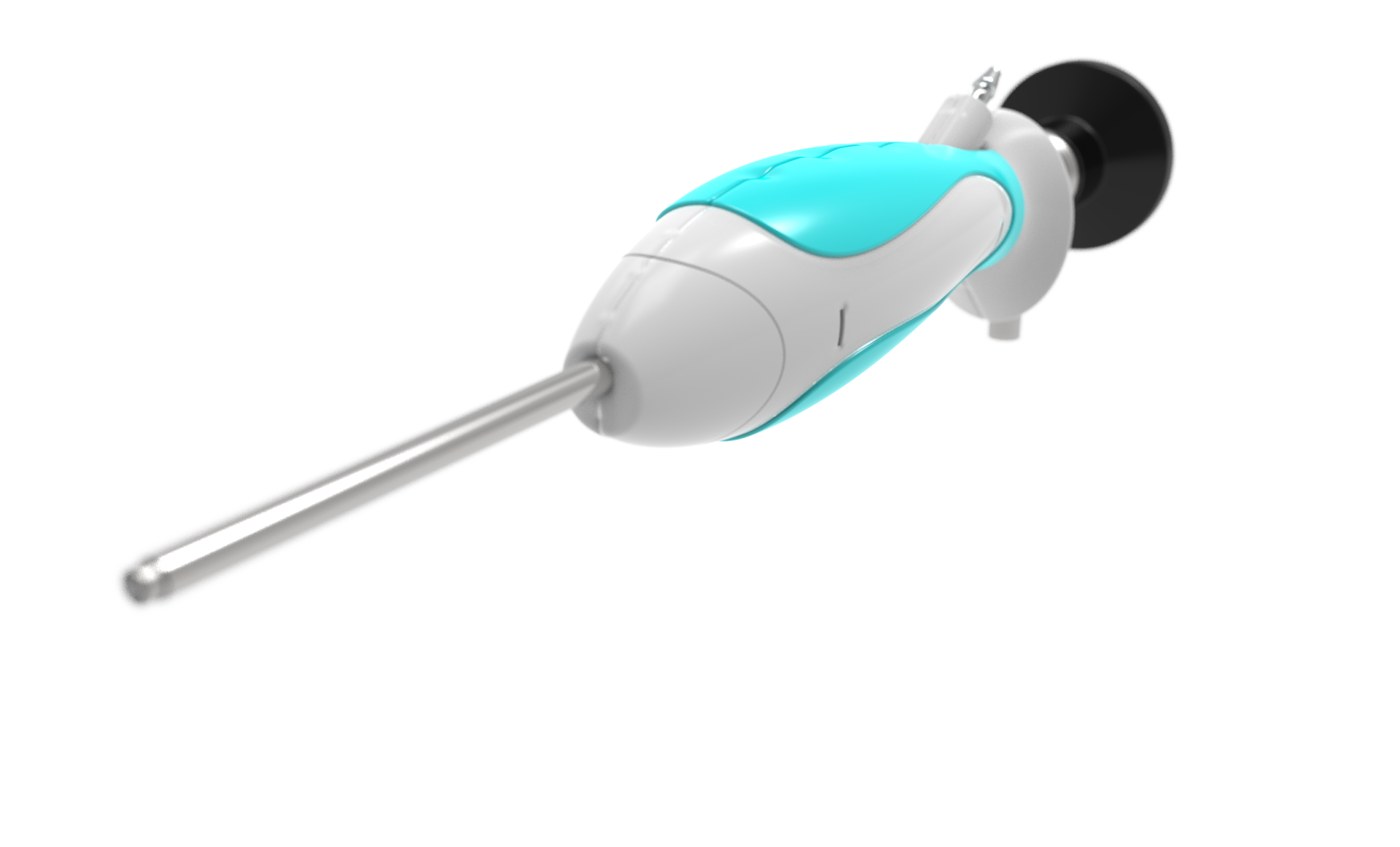
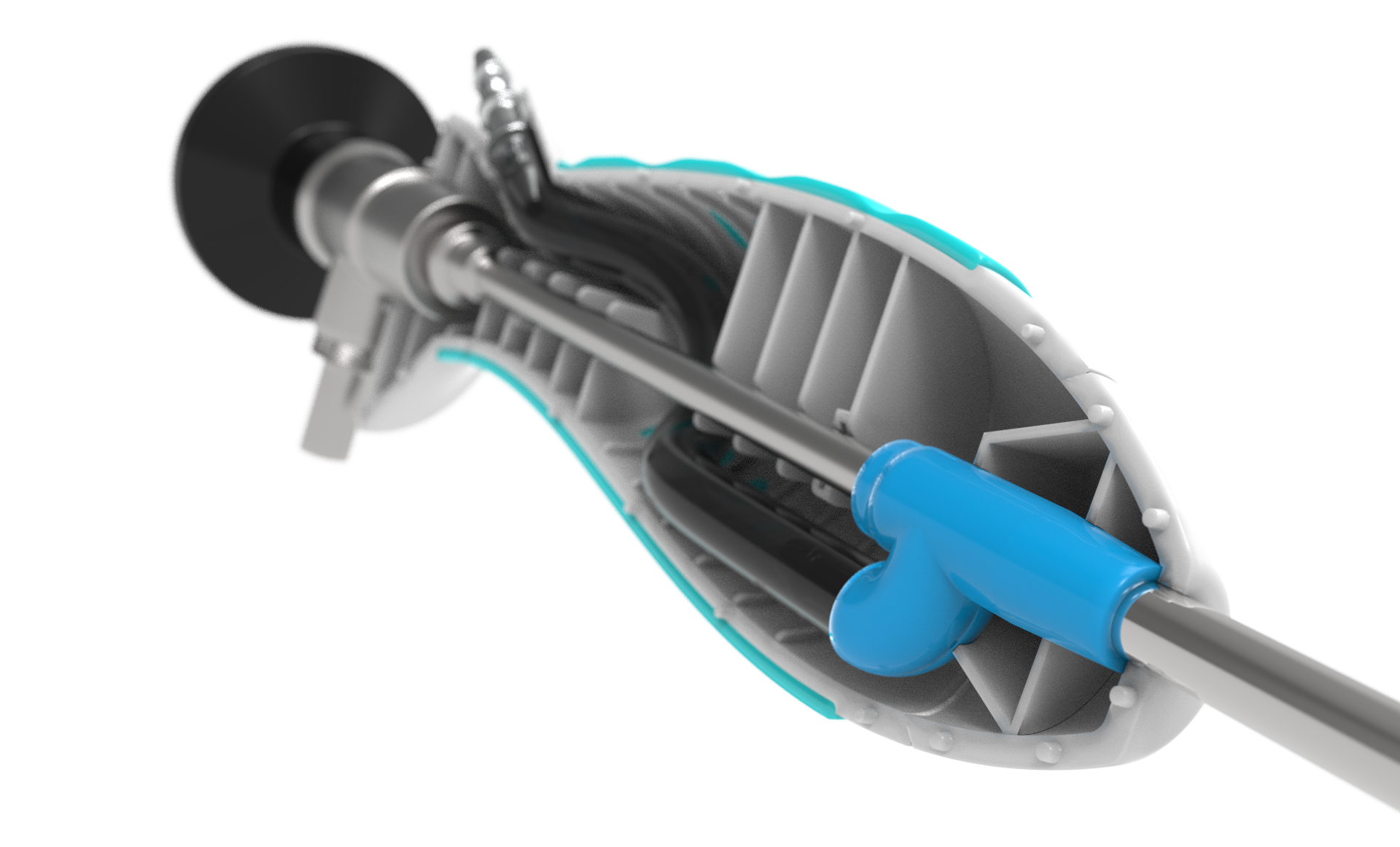
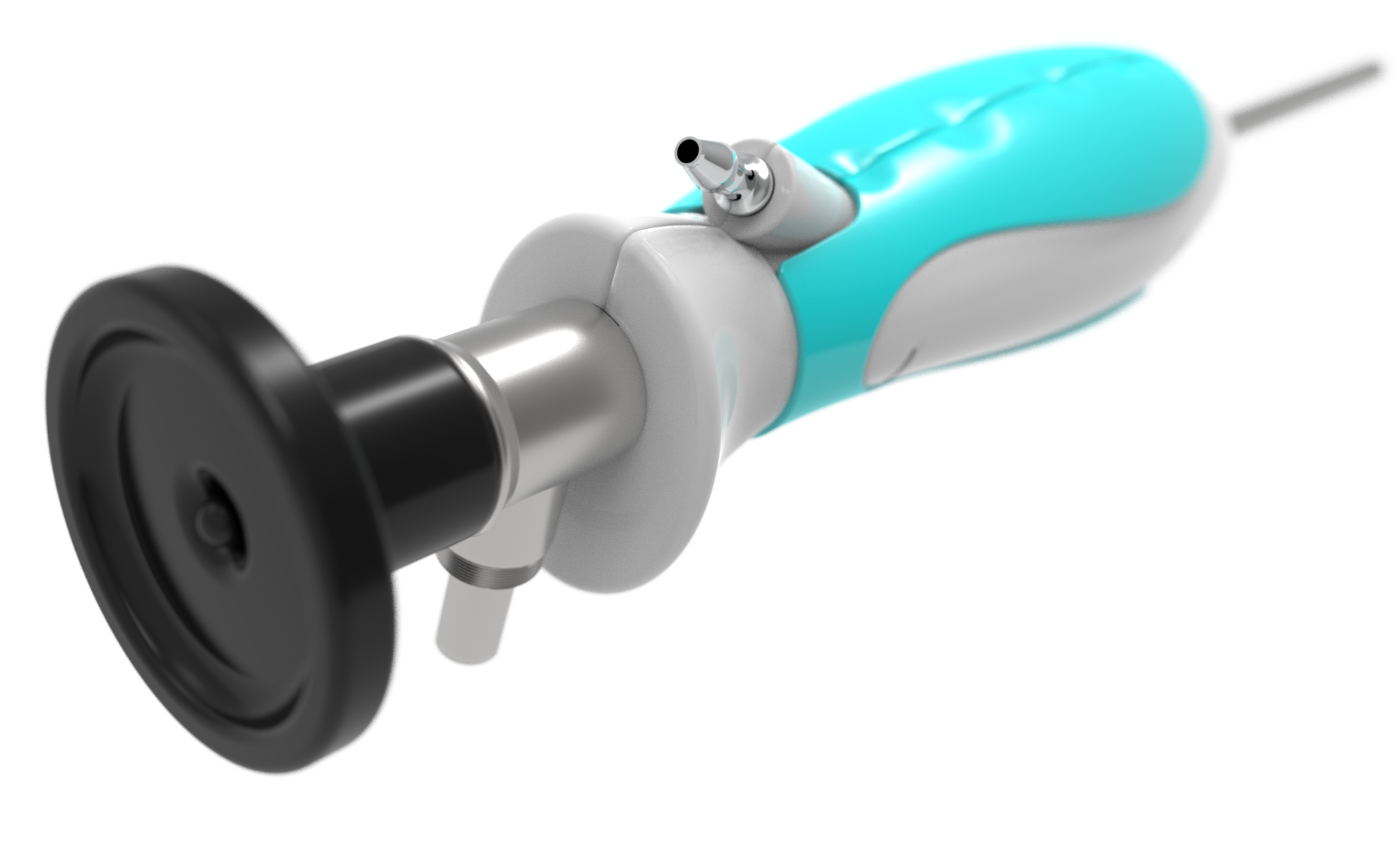
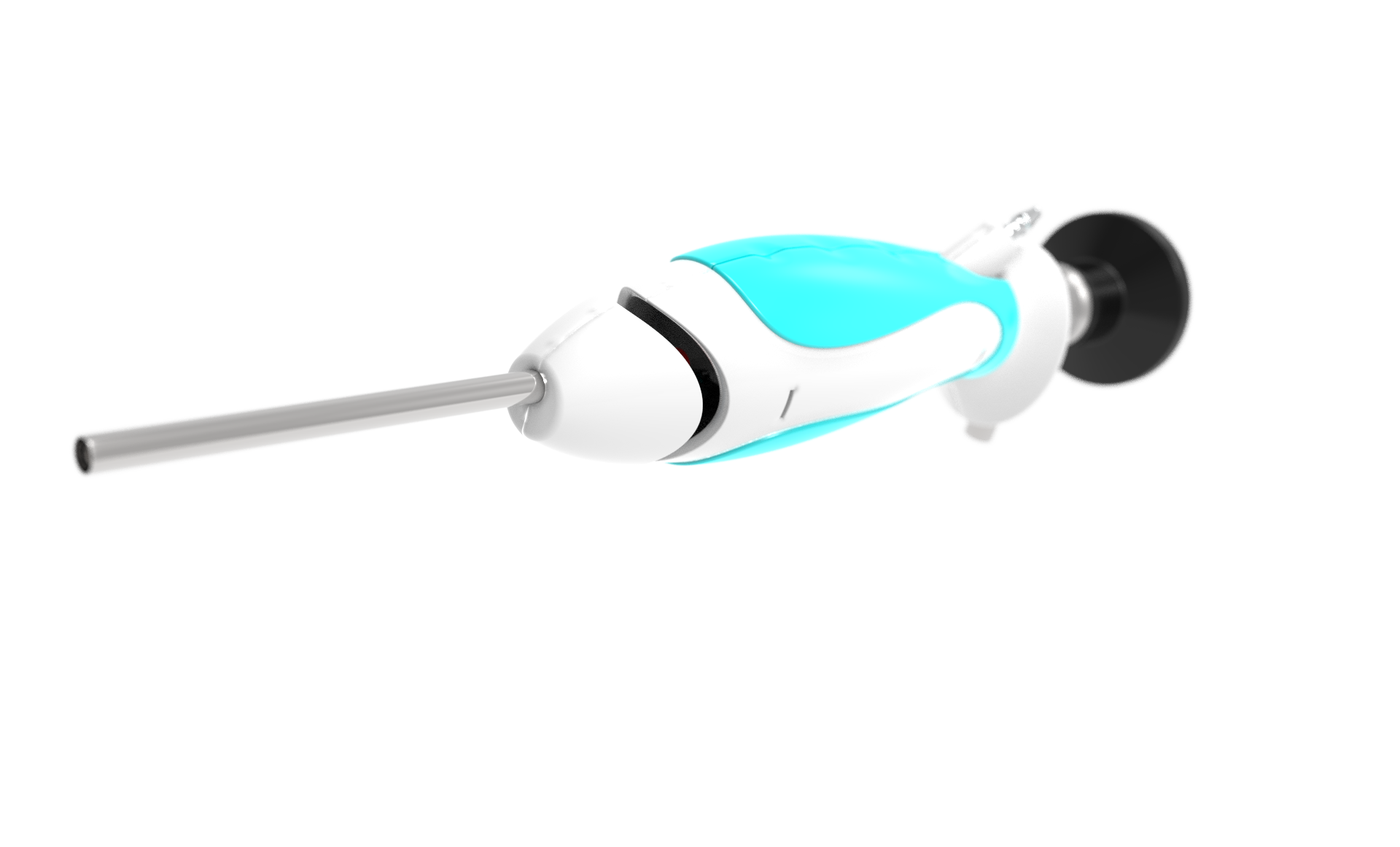
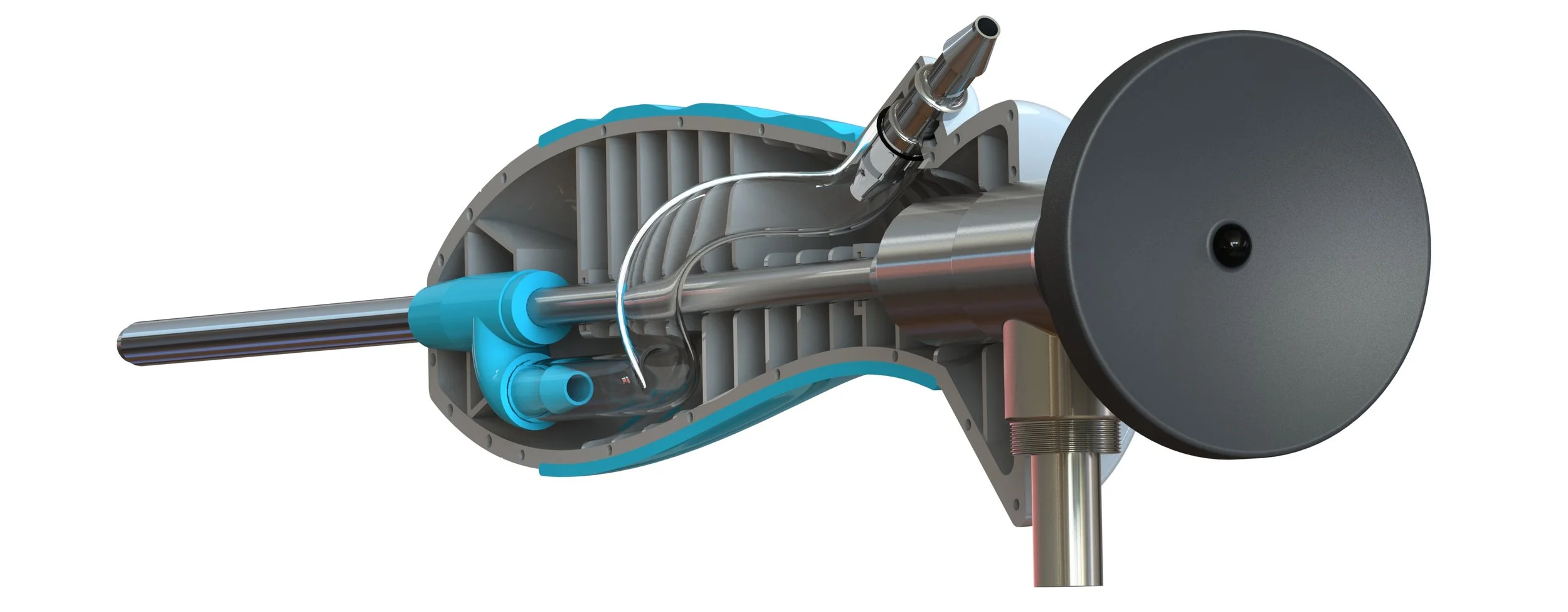
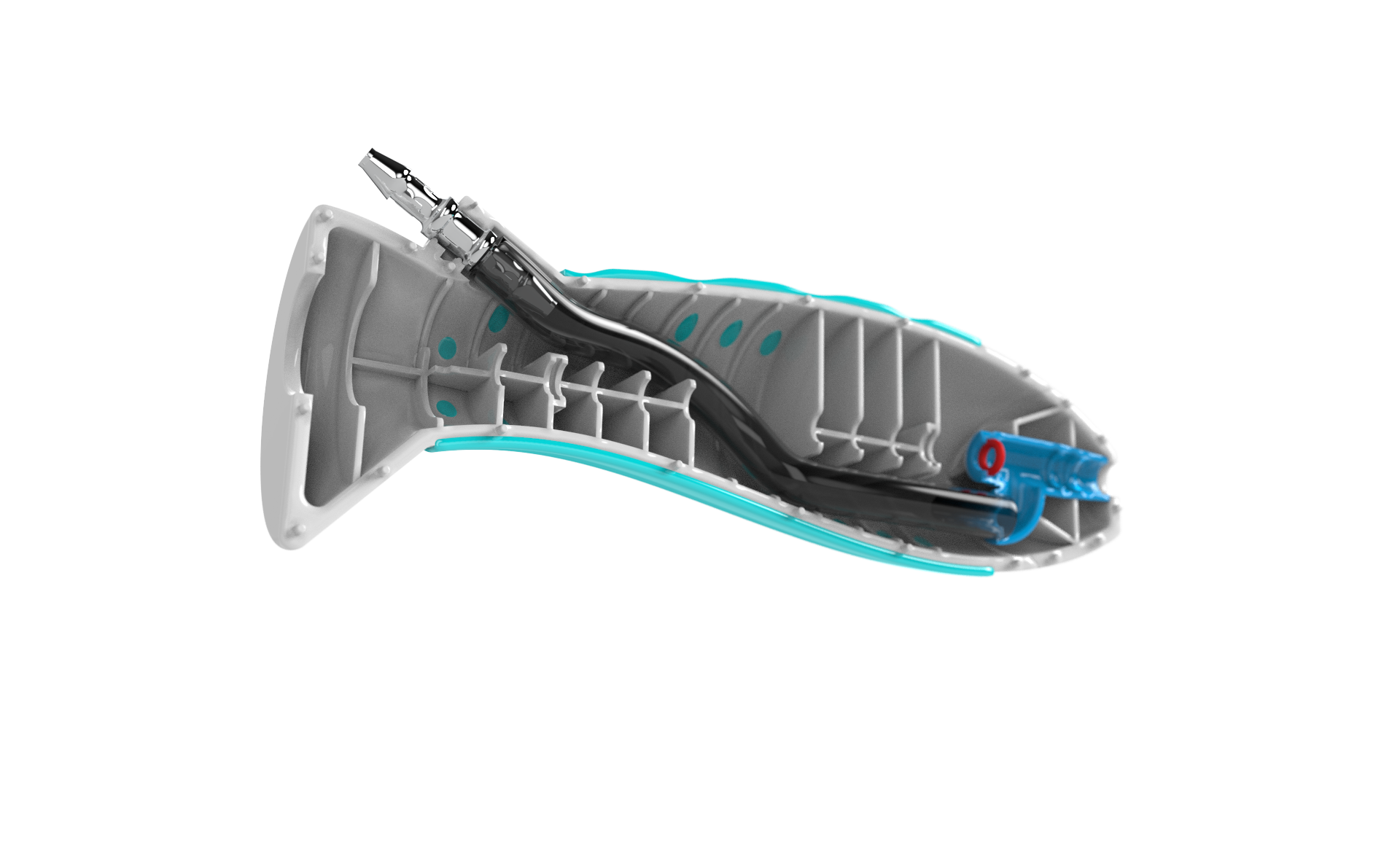
Prototype Preparation //
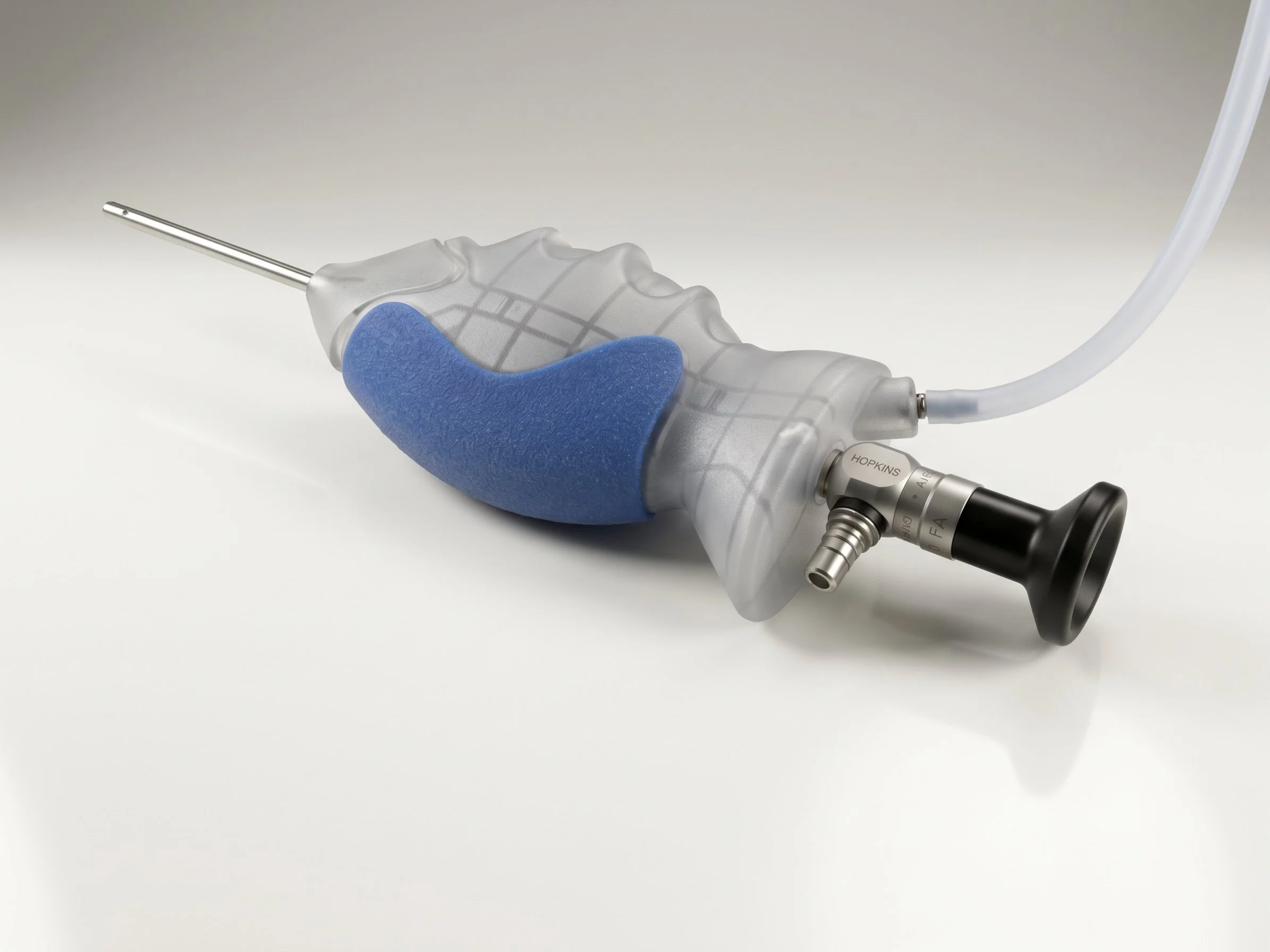
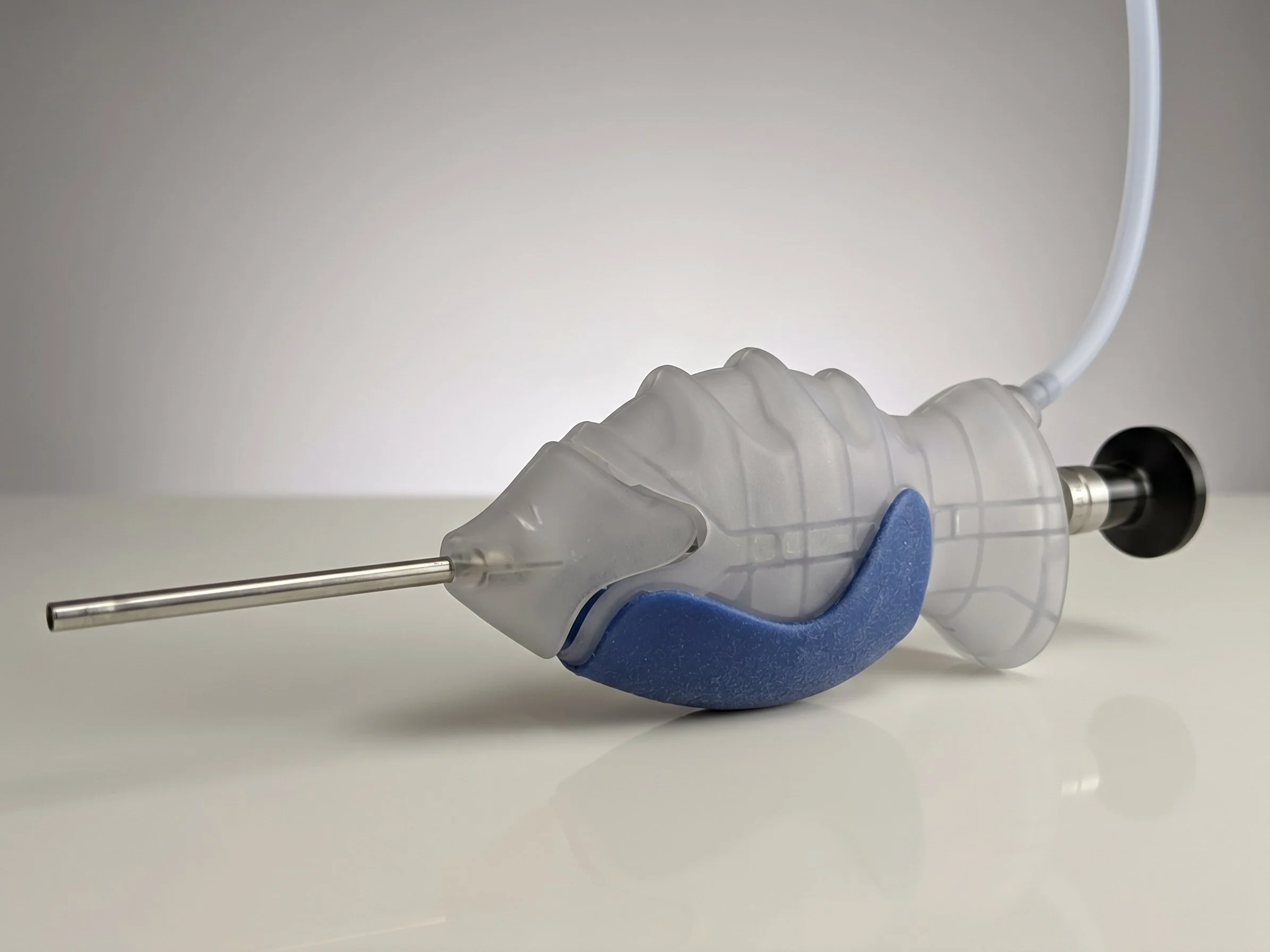
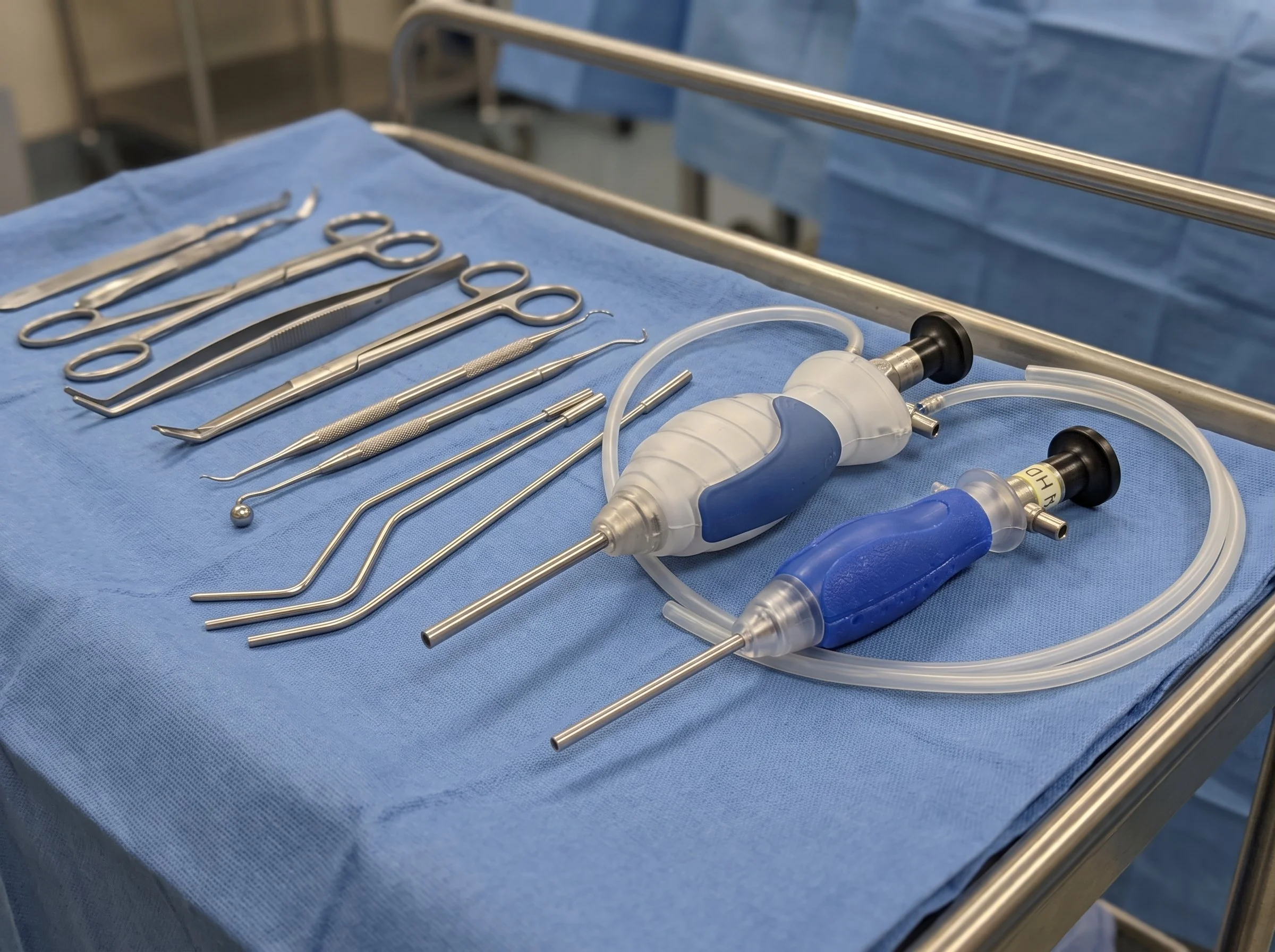
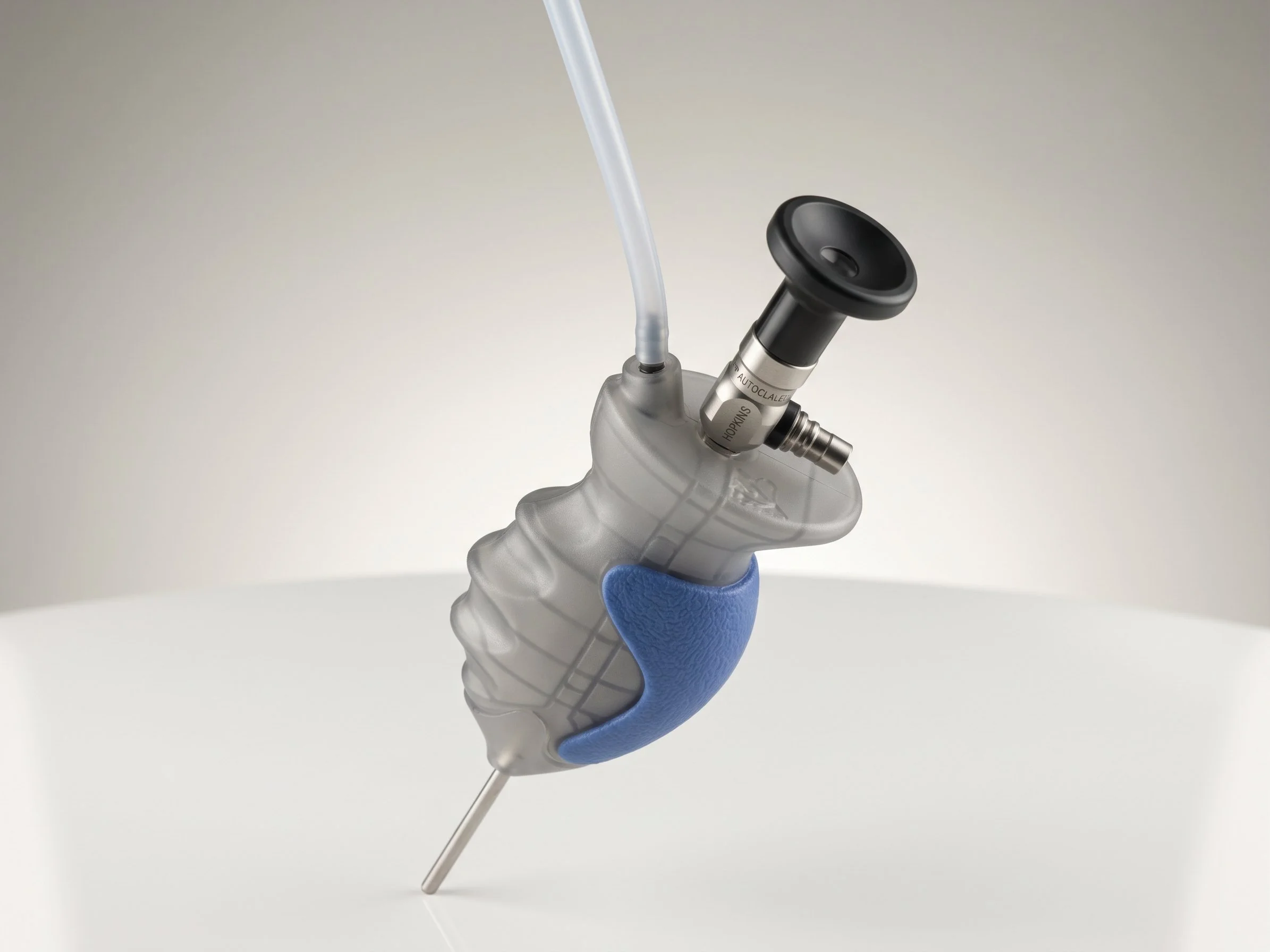
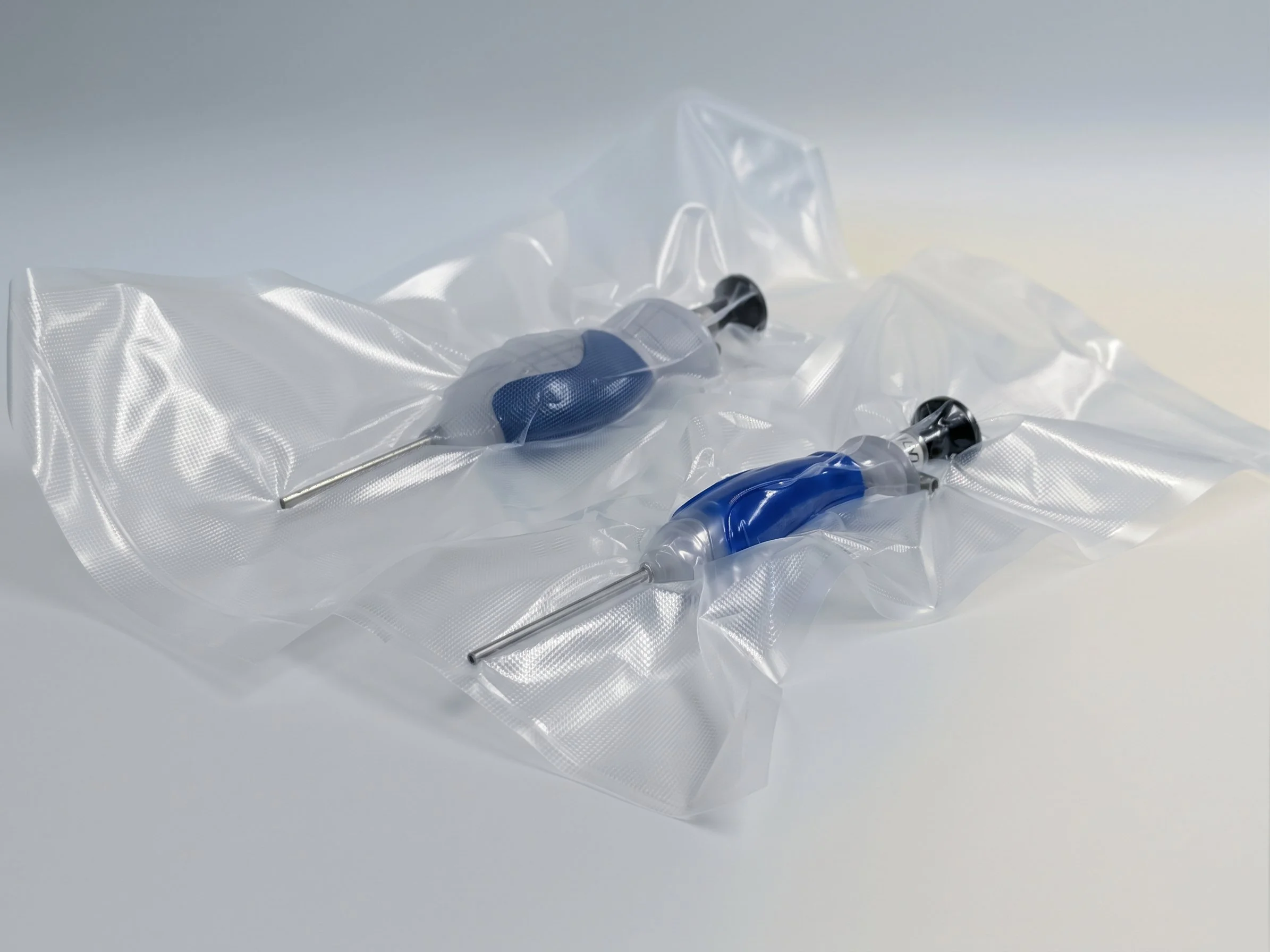
Following the successful fabrication of the Proof of Concept assemblies via high-resolution PolyJet 3D printing, a comprehensive fit and finish operation was conducted to validate mechanical functionality and precise component tolerances.
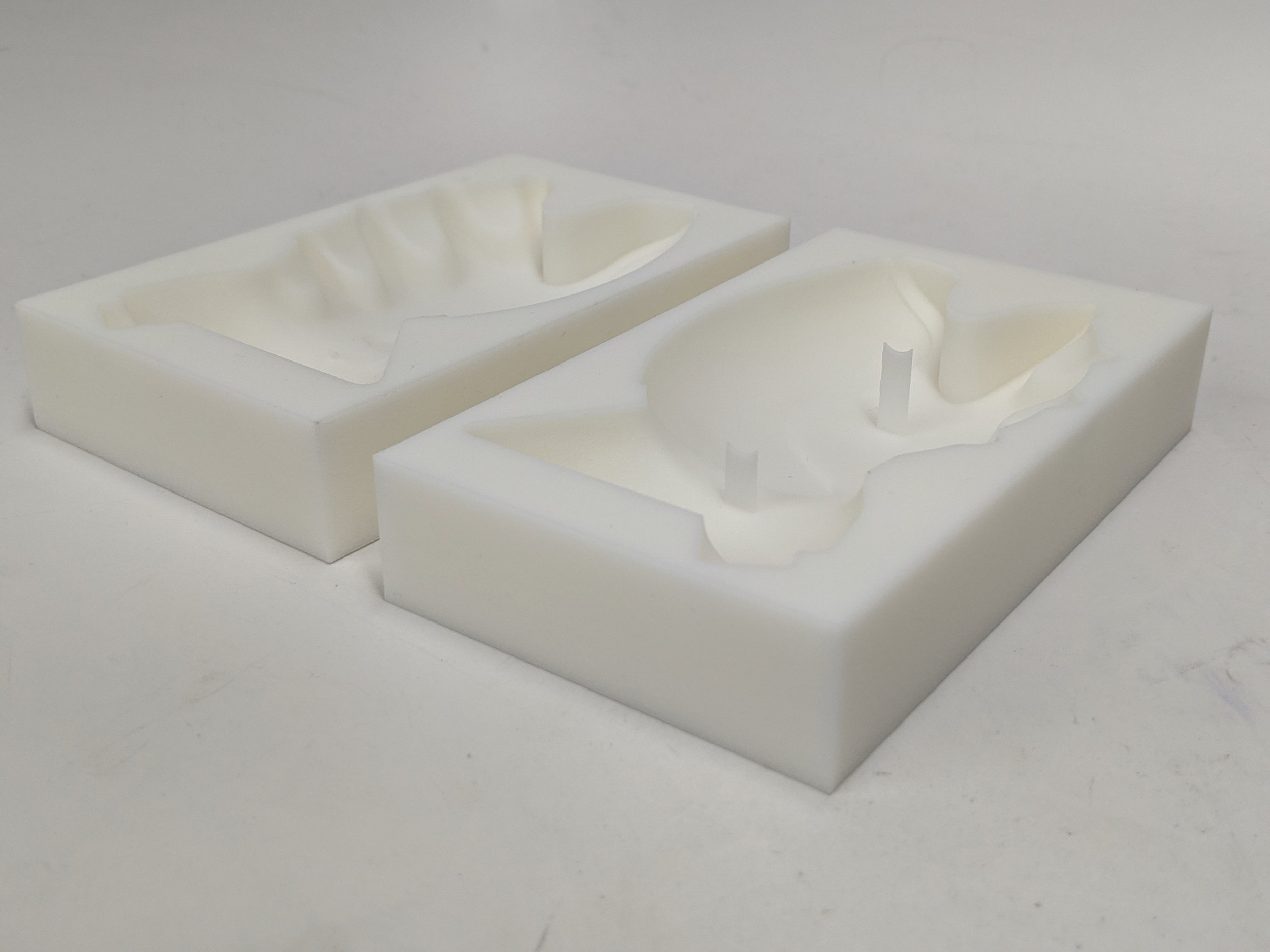
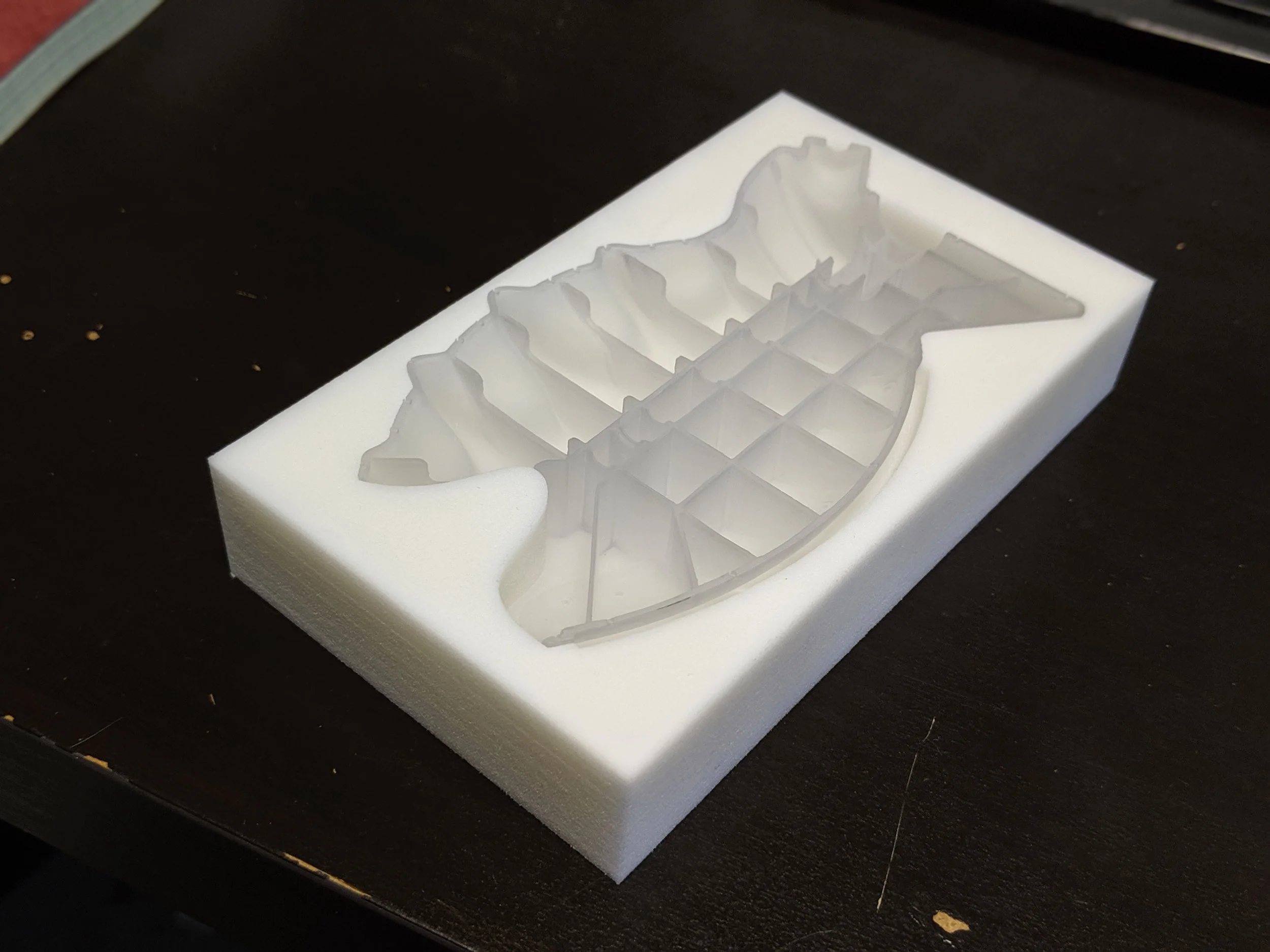
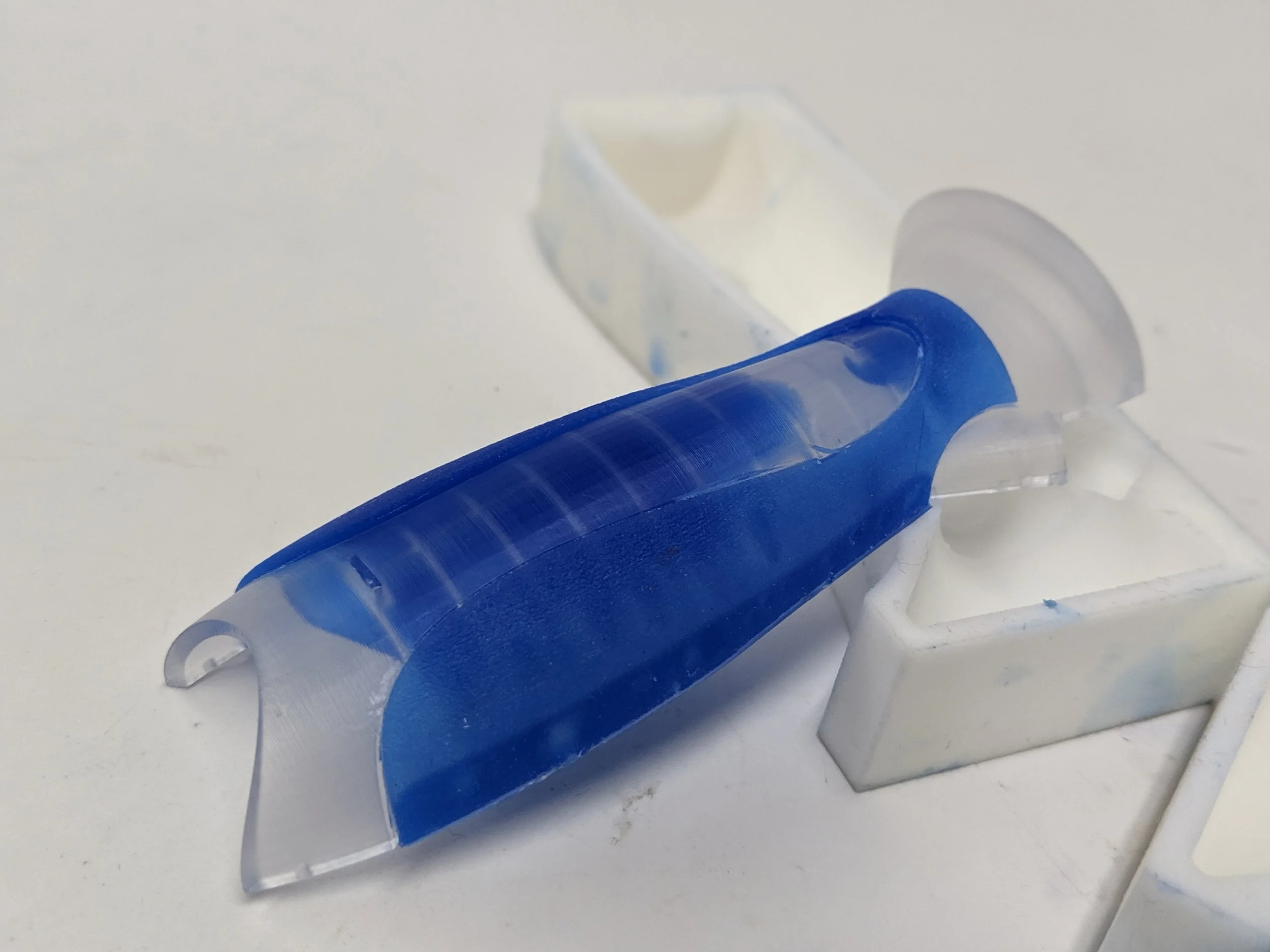
Once the core assembly was verified, custom overmolded grips were integrated to address a critical safety requirement: maintaining a secure hold when the tool is inevitably exposed to saline irrigation and bodily fluids. To prevent the exterior from becoming dangerously slick during complex procedures, a high-friction, clinical-grade silicone was selected for the overmold, ensuring optimal tactile security while adhering to the rigorous safety and hygiene standards of the operating room.
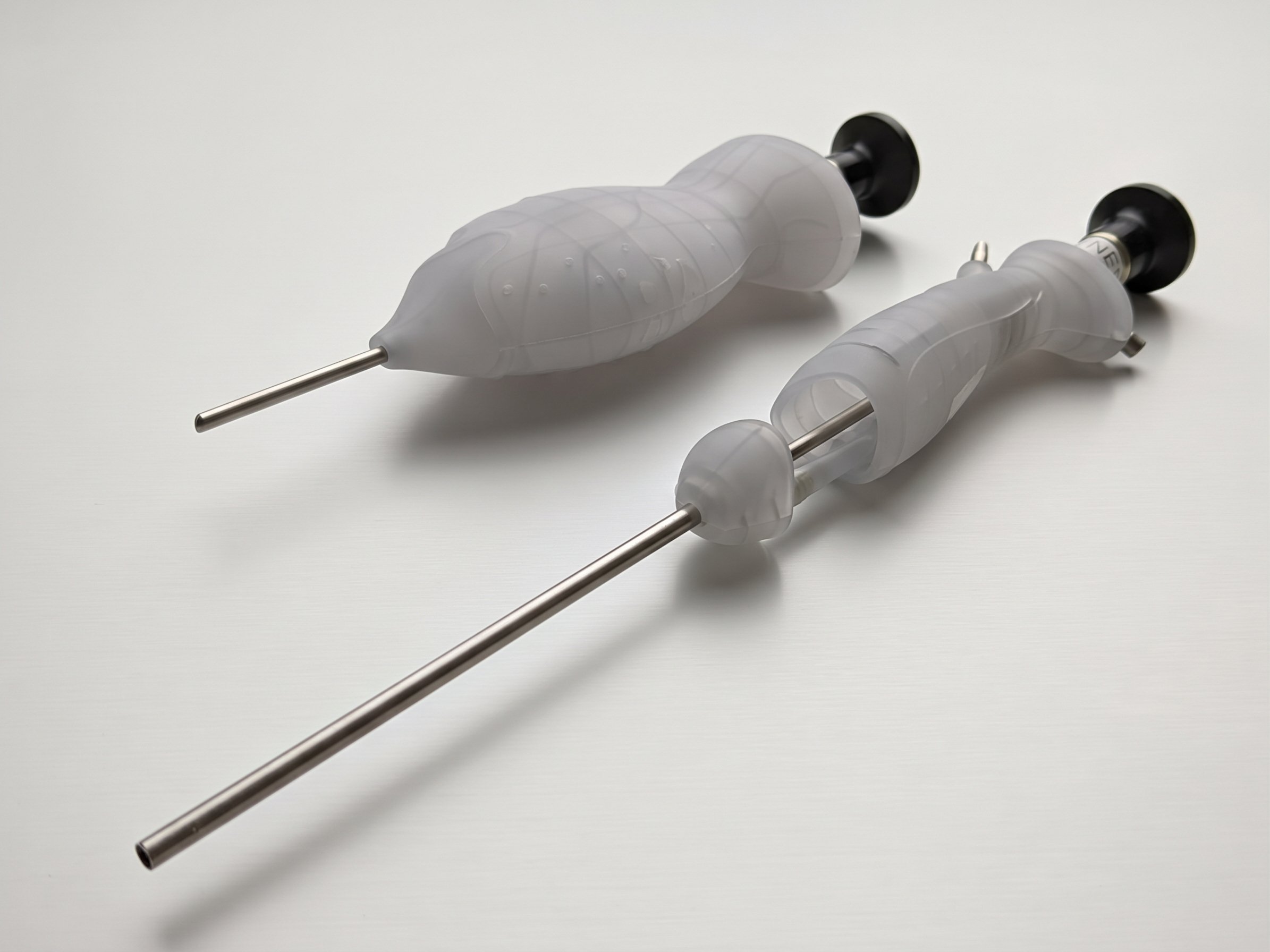
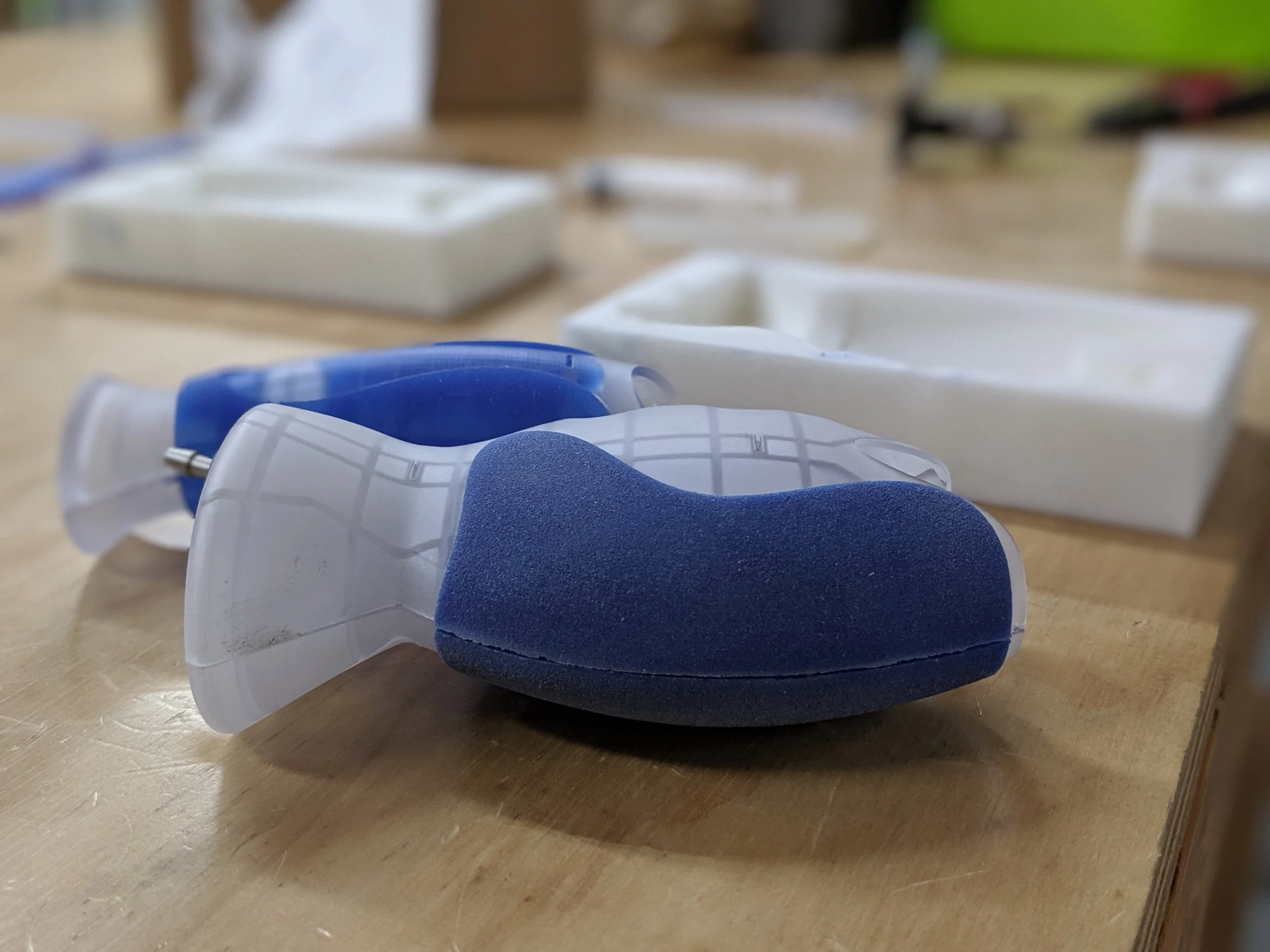
POC Reveal Photos //